
 English
 中文简体
中文简体 Español
 English
 中文简体
中文简体 Español
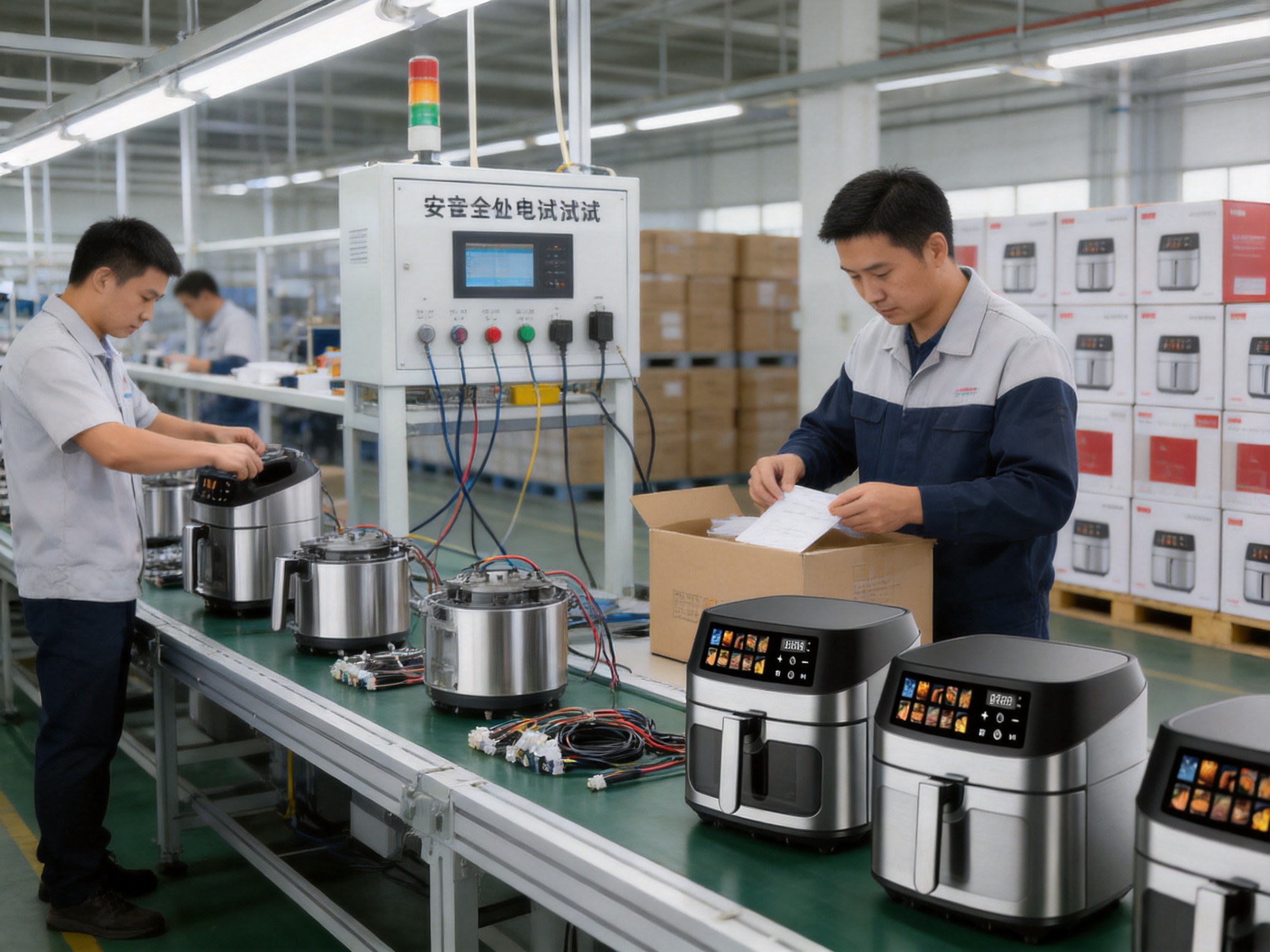
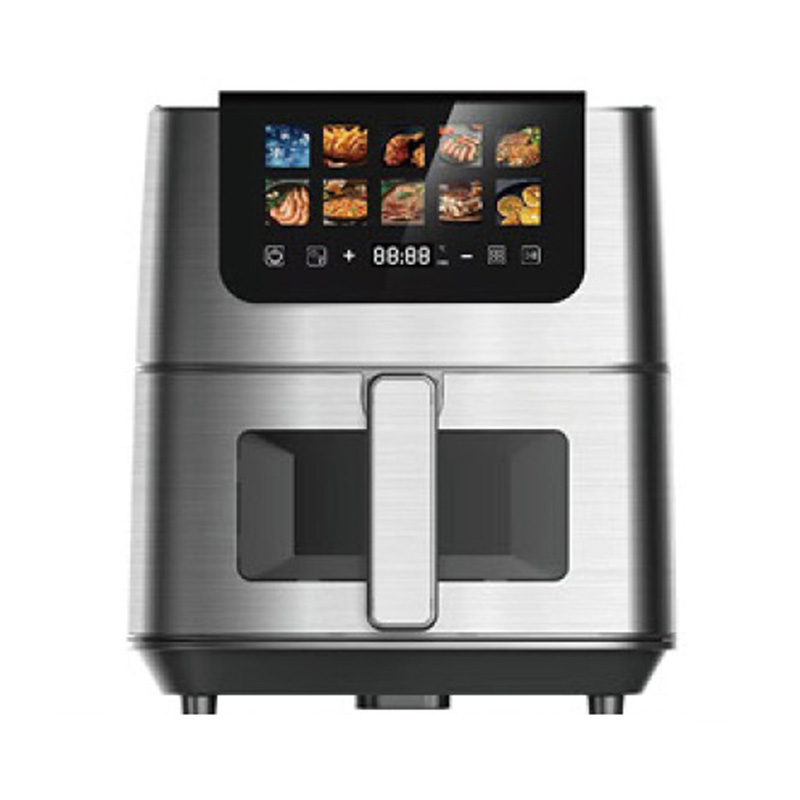
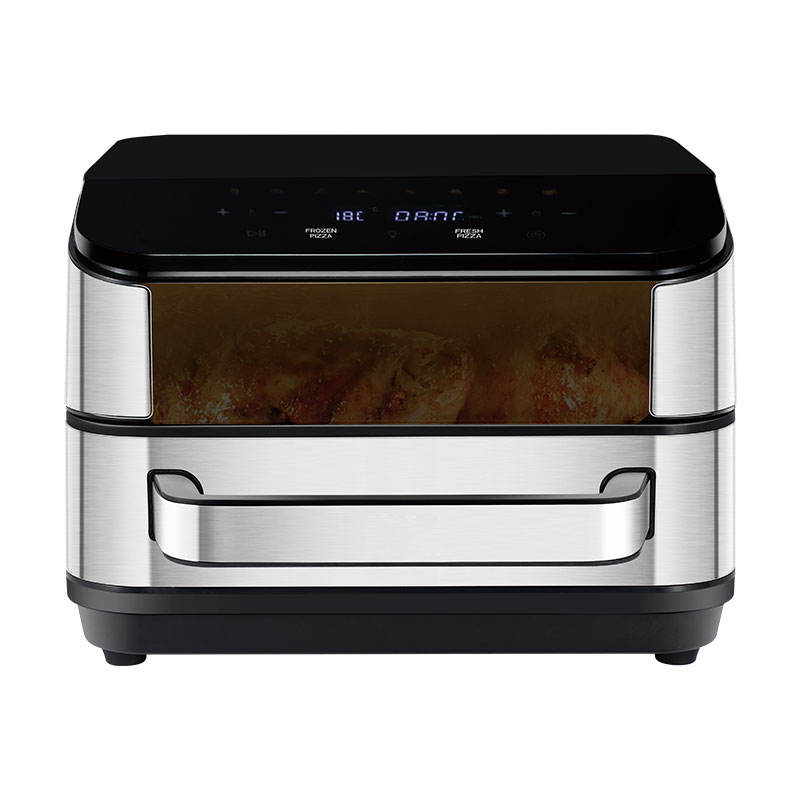
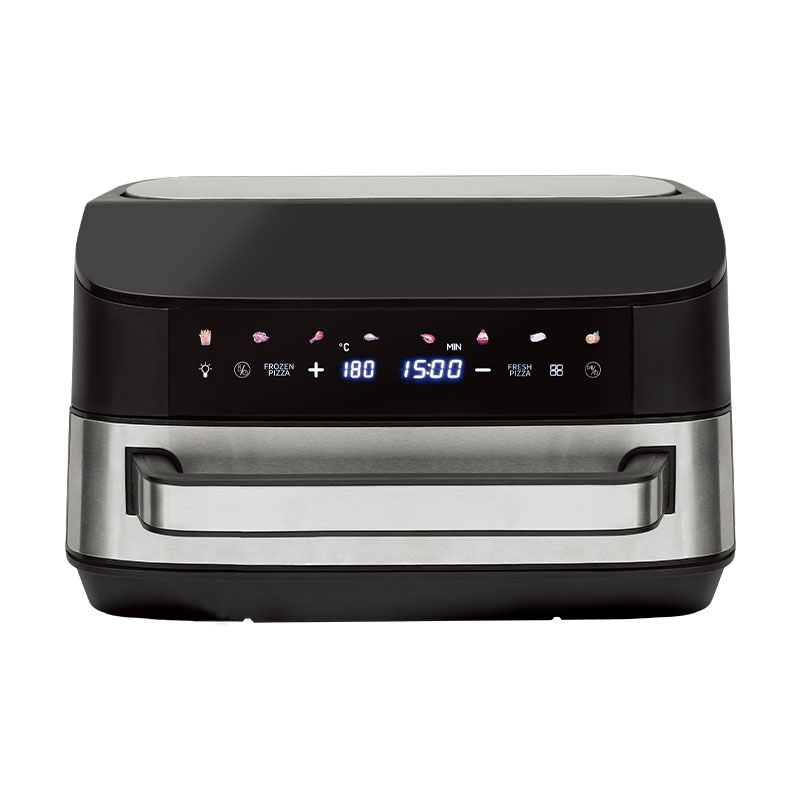
Modern kitchens require appliances that combine practical capacity, reliable heating, convenient operation, and efficient use of space. The GSE047T(F/S) and GSE047D(F/S) air fryer series is designed to meet these needs with an 8-liter single-pot cooking chamber, a powerful 1700-watt heating system, and a durable combination of food-contact and structural materials. It is suitable for households, retailers, food-service environments, and distributors seeking a competitively positioned small electric kitchen appliance.
Air frying has become an increasingly popular cooking method because it can produce crisp textures with significantly less added oil than conventional deep frying. However, the quality of an air fryer depends on more than its basic cooking concept. Capacity, temperature distribution, housing strength, basket design, control usability, safety certification, packaging, and production consistency all influence the end-user experience. The GSE047T(F/S) and GSE047D(F/S) series has been developed with these practical considerations in mind.
This article examines the product’s construction, performance potential, commercial advantages, manufacturing background, quality-control capabilities, and suitability for different markets. It also explains how the manufacturer’s experience in product development and international supply supports the air fryer’s value for wholesale and private-label customers.
Product Overview
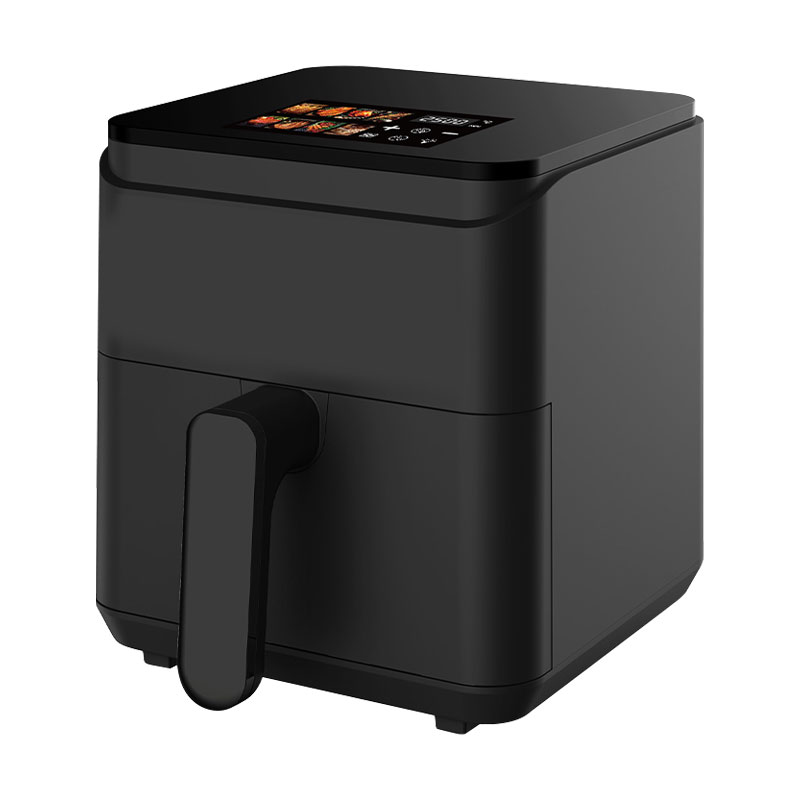
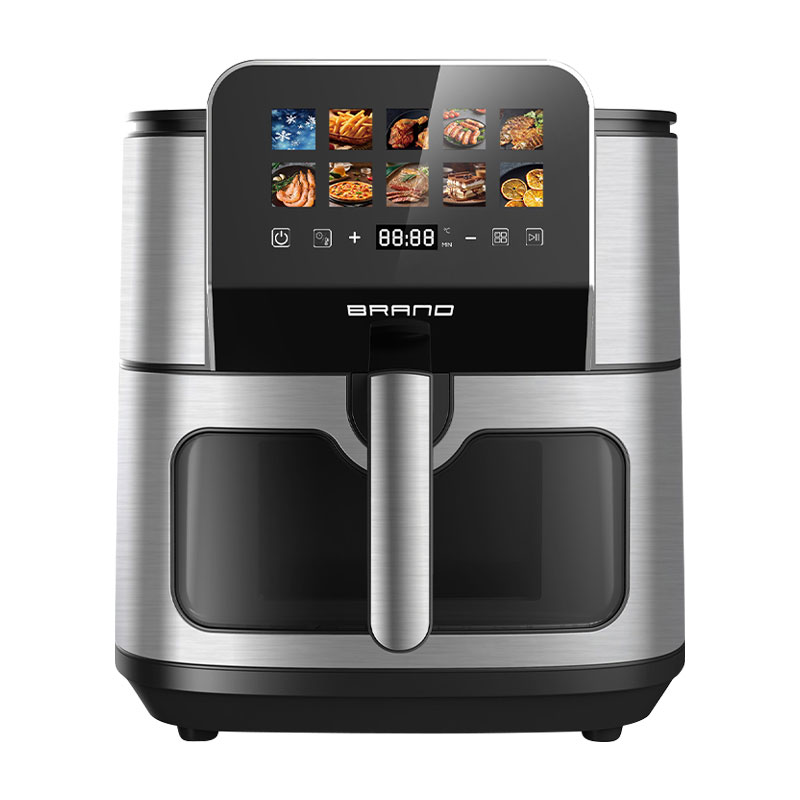
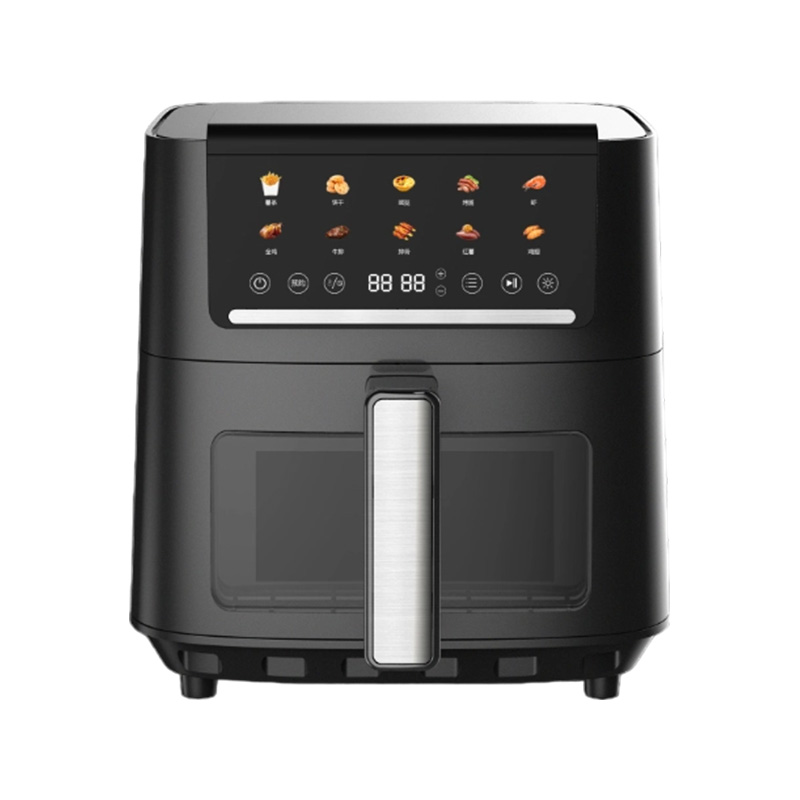
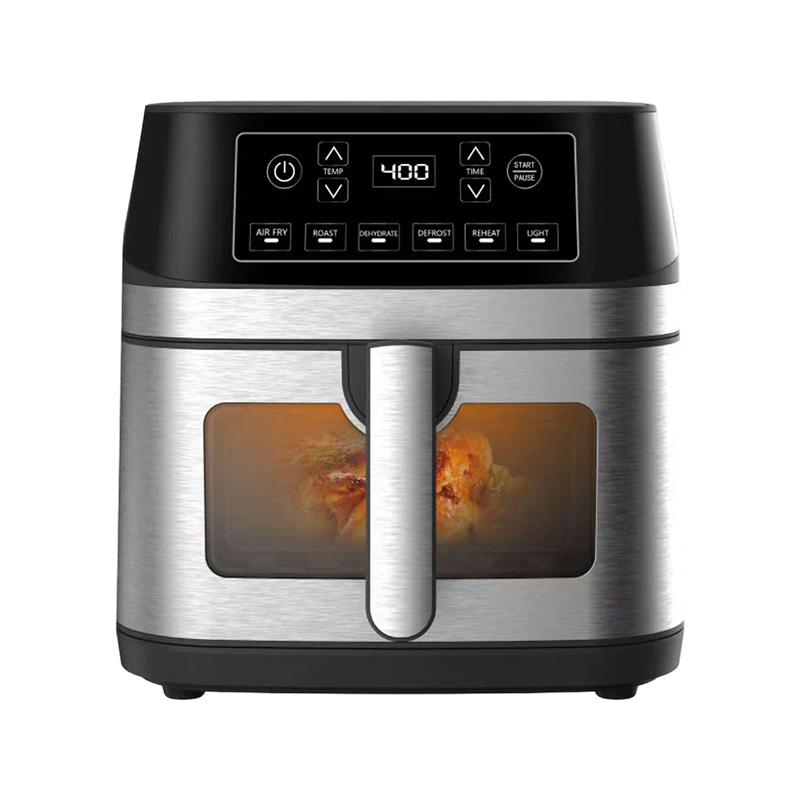
The GSE047T(F/S) and GSE047D(F/S) models are 8-liter single-pot air fryers intended for everyday cooking. Their large chamber allows users to prepare family-size portions, side dishes, snacks, and complete meal components without relying on several small batches. The single-pot format also simplifies operation and cleaning compared with more complex multi-compartment appliances.
The product has a rated power of 1700 watts and is available for electrical markets using 127 volts or 220–240 volts, depending on the selected configuration. The listed frequency range is 50–60 hertz, supporting use in a broad range of international markets when the appropriate electrical version, plug, and certification requirements are selected.
Its stated external dimensions are approximately 41.5 by 32.5 by 32.7 centimeters. This places the appliance in a useful middle category: large enough for generous cooking capacity, yet compact enough for placement on a standard kitchen counter. The design is suitable for households that want more capacity than a small personal air fryer while avoiding the footprint of a full-size oven.
The material combination includes PP, PA, aluminum, ABS, PC, and SS430 stainless steel. Each material can serve a different functional purpose. Polymer components can support insulation, structural molding, and exterior styling; aluminum can contribute to heat-related components; ABS and PC can be used for durable housing or control-related parts; and SS430 stainless steel is commonly selected for suitable metal components requiring corrosion resistance and a clean appearance.
Certification information provided for the series includes RoHS, LFGB, CB, CE, and GS. Specific certification applicability may vary according to the model, destination market, voltage version, and final configuration. Importers and distributors should confirm the exact compliance documentation required for their market before placing a commercial order.
Key Specifications
| Product category | Air fryer |
| Model series | GSE047T(F/S) and GSE047D(F/S) |
| Cooking format | 8-liter single pot |
| Rated power | 1700 watts |
| Available voltage configurations | 127 volts and 220–240 volts |
| Frequency | 50–60 hertz |
| Primary materials | PP, PA, aluminum, ABS, PC, and SS430 stainless steel |
| Product dimensions | Approximately 41.5 × 32.5 × 32.7 centimeters |
| Gift box dimensions | Approximately 44 × 36 × 37.2 centimeters or 44 × 36 × 38.2 centimeters |
| Carton dimensions | Approximately 74 × 45.5 × 39.3 centimeters or 74 × 45.5 × 40.3 centimeters |
| Carton packing | 2 pieces per carton |
| Gross and net weight | Approximately 15 kilograms gross and 13 kilograms net |
| Listed certification information | RoHS, LFGB, CB, CE, and GS |
The two packaging dimension options indicate that packaging may differ between model versions or configurations. Buyers should request a final packing specification, approved artwork, electrical configuration, and carton confirmation before production.
Advantages of the 8-Liter Single-Pot Format
Family-Sized Cooking Capacity
Capacity is one of the most important factors when comparing air fryers. Small units are convenient for individual users but may require repeated cooking cycles for families. An 8-liter chamber offers a more practical solution for larger portions, enabling users to prepare chicken pieces, vegetables, fries, seafood, pastries, and other foods in quantities appropriate for shared meals.
A single-pot design is especially useful for users who prefer straightforward cooking rather than multiple independent programs. It provides one main cooking area with a simple workflow: place the food inside, select the required cooking settings, and monitor the process as needed. This makes the product accessible to first-time air fryer users and experienced home cooks alike.
Balanced Footprint and Usable Volume
A high-capacity appliance can become inconvenient if its exterior dimensions are excessive. The product’s stated size is designed to provide substantial internal volume while maintaining a manageable countertop footprint. This balance is valuable for apartments, family kitchens, dormitory-style accommodation, small office kitchens, and hospitality settings where available counter space is limited.
The vertical dimension also allows the appliance to use countertop height efficiently. Users should still provide adequate clearance around the appliance during operation, particularly near ventilation areas and heat-sensitive surfaces. The final installation guidance should follow the product manual and local safety requirements.
Convenience for Different Food Types
An 8-liter air fryer can accommodate a wide variety of food categories. Typical applications include frozen snacks, potato products, chicken wings, fish portions, vegetables, sausages, pastries, reheated foods, and small baked dishes. The appliance can also support lower-oil versions of recipes that would traditionally be deep-fried.
Food results depend on the recipe, food quantity, moisture content, preparation method, and selected settings. Users generally achieve better air circulation when the basket is not overloaded. Even when the appliance has a large capacity, spreading food in a suitable layer can help promote more consistent browning and crispness.
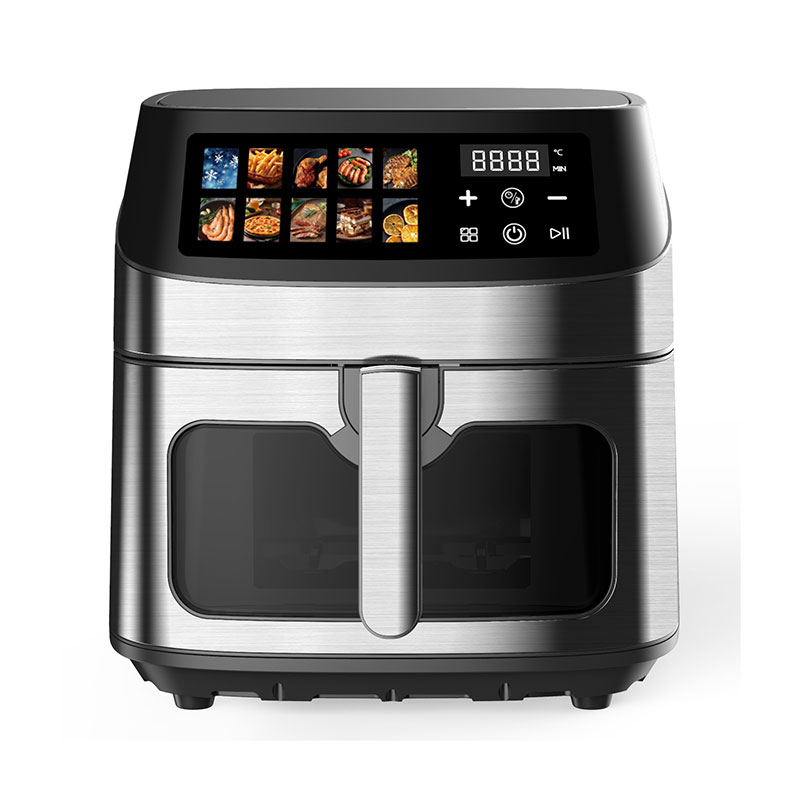
AIR FRYER GSE047T(F/S)/GSE047D(F/S)
Heating Power and Cooking Efficiency
The listed 1700-watt power rating gives the air fryer a strong heating foundation for an 8-liter chamber. Appropriate power helps the appliance reach cooking temperature efficiently and recover heat after the basket is opened. This is particularly useful when preparing foods that require a hot cooking environment for crisp surfaces and evenly cooked interiors.
Power must always be considered together with chamber volume, airflow design, heating-element placement, insulation, and control accuracy. A high wattage rating alone does not guarantee perfect results. The value of the GSE047 series lies in the combination of a substantial cooking chamber and a power level suited to that volume.
Compared with conventional deep frying, air frying can reduce the amount of oil required for many foods. Instead of immersing ingredients in hot oil, the appliance circulates heated air around the food. This can support lighter meal preparation and reduce the need to store, filter, and dispose of large quantities of cooking oil.
Compared with a full-size oven, an air fryer can be more convenient for smaller portions because it offers a dedicated compact cooking space. It may require less preheating for many everyday tasks and can be easier to use for snacks and side dishes. The best choice depends on the quantity, recipe, and user’s cooking habits, but a large-capacity air fryer is particularly attractive for frequent small-to-medium meal preparation.
Potential Energy and Time Benefits
Air fryers are commonly used for foods that would otherwise require pan frying, deep frying, or oven cooking. The compact chamber can reduce the amount of space that needs to be heated. For users preparing modest portions, this may contribute to a more efficient cooking routine than operating a large oven.
Cooking time varies according to food type and load. Frozen products, thick meats, delicate pastries, and fresh vegetables all require different treatment. Product instructions, testing, and consumer education are important parts of achieving satisfactory results. For commercial customers, clear manuals and recipe guidance can help reduce customer complaints and improve product satisfaction.
Materials and Construction
Multi-Material Engineering
The product uses PP, PA, aluminum, ABS, PC, and SS430. A multi-material design allows each component to be selected according to its required properties rather than forcing the entire product to use one material. This can support a balance of heat resistance, rigidity, weight, appearance, processability, and cost.
Polypropylene, or PP, is widely used in consumer appliances because it can be molded into lightweight structural components and is suitable for many household product applications. Polyamide, or PA, can provide mechanical strength in selected components. Aluminum is commonly valued for thermal conductivity and low weight, which can be useful in heat-related assemblies.
ABS is often used for molded exterior parts where impact resistance, dimensional stability, and surface appearance are important. Polycarbonate, or PC, can be suitable for transparent or high-strength components, depending on the part design. SS430 stainless steel offers a practical metal option for components that benefit from a clean, durable, and corrosion-resistant surface.
The final performance of every material depends on grade selection, formulation, molding conditions, part geometry, temperature exposure, and quality control. For this reason, a reliable manufacturing process is essential. Material selection and production discipline must work together to achieve a stable finished appliance.
Structural Stability
A countertop appliance must remain stable during use, loading, unloading, and cleaning. The product’s external structure is designed around a single-pot format, which can simplify the overall mechanical arrangement. A stable housing and properly fitted cooking components can contribute to user confidence and long-term usability.
Retail buyers should evaluate the smoothness of the basket movement, the fit between removable components, the stability of the appliance on a countertop, and the quality of the handle and controls during sample approval. These checks are especially important when comparing products that appear similar in photographs but differ in actual assembly quality.
Surface and Cleaning Considerations
Air fryer users value easy cleaning because cooking can produce grease, crumbs, moisture, and food residue. A single-pot design can make the cleaning routine more direct than a product with several separate compartments. Removable cooking parts should be handled according to the supplied instructions, and users should avoid cleaning methods that could damage coatings, electrical components, or temperature-sensitive parts.
For manufacturers and buyers, cleanability should be considered during product development. Smooth surfaces, controlled seams, accessible food-contact areas, and appropriate material selection can help reduce residue accumulation. Packaging and manuals should clearly explain which components are removable, how they should be washed, and which areas must remain dry.
Design Benefits Compared with Common Alternatives
Compared with Small Personal Air Fryers
Small personal air fryers are suitable for single servings and limited counter space, but their capacity may not be sufficient for families or frequent entertaining. An 8-liter unit offers a clear capacity advantage. It can reduce the number of cooking batches required, which may improve convenience and make meal preparation more efficient.
The larger format can also be more attractive to retailers targeting family households. A product that serves several people may offer a stronger value proposition than a compact appliance that requires multiple cycles for ordinary meals. The 1700-watt rating further supports the positioning of the product as a capable family-oriented appliance rather than a personal snack cooker.
Compared with Dual-Basket Air Fryers
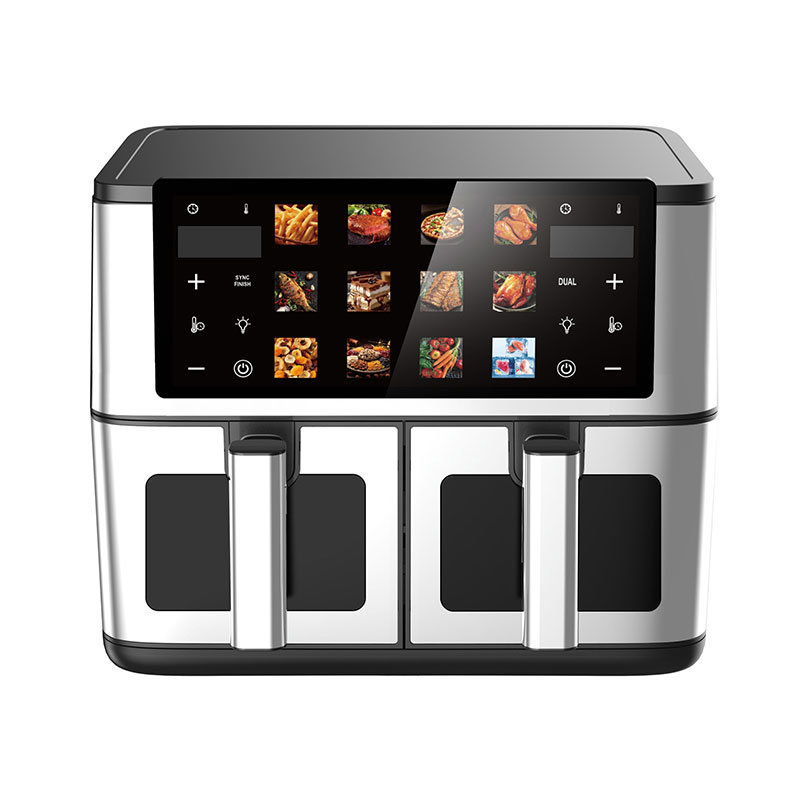
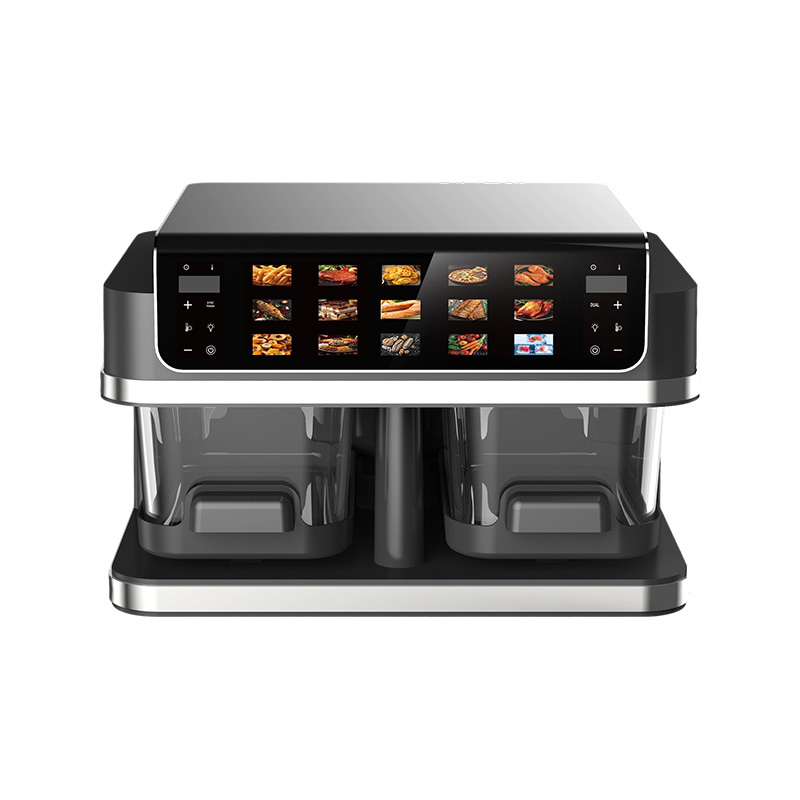
Dual-basket models can cook two foods at different settings, but they usually involve more components, more controls, and a more complicated cleaning process. A single-pot model may be preferred by customers who want a simpler and more economical solution with one generous cooking area.
The single-pot configuration also offers flexibility for larger individual items that may not fit comfortably into two narrow compartments. Whole portions, larger cuts, and foods requiring a broad cooking surface can be easier to arrange in one main chamber. The choice between single-pot and dual-basket designs depends on consumer priorities, but the GSE047 series has a clear simplicity and capacity advantage.
Compared with Traditional Deep Fryers
Traditional deep fryers require a substantial quantity of oil and involve the handling, storage, heating, and disposal of that oil. An air fryer uses circulating hot air, which can support recipes with little or no added oil depending on the food. This can appeal to consumers who want crisp textures while reducing oil consumption.
The air fryer format may also be more appropriate for household use because it avoids an open reservoir of hot oil. Nevertheless, all hot cooking appliances require careful handling. Users should follow operating instructions, avoid overfilling the basket, keep the appliance away from water, and use heat-resistant protection when handling hot components.
Compared with Full-Size Ovens
A full-size oven provides greater capacity and can support larger cookware, but it may be less convenient for quick snacks, side dishes, and modest portions. The 8-liter air fryer provides a dedicated compact cooking space that can be easier to operate for many common foods.
Its smaller chamber can also make the appliance attractive to users who live in apartments or homes with limited kitchen space. For retailers, this creates opportunities in urban housing, student accommodation, first-home markets, and gift-oriented appliance categories.
Manufacturing Strengths of the Supplier
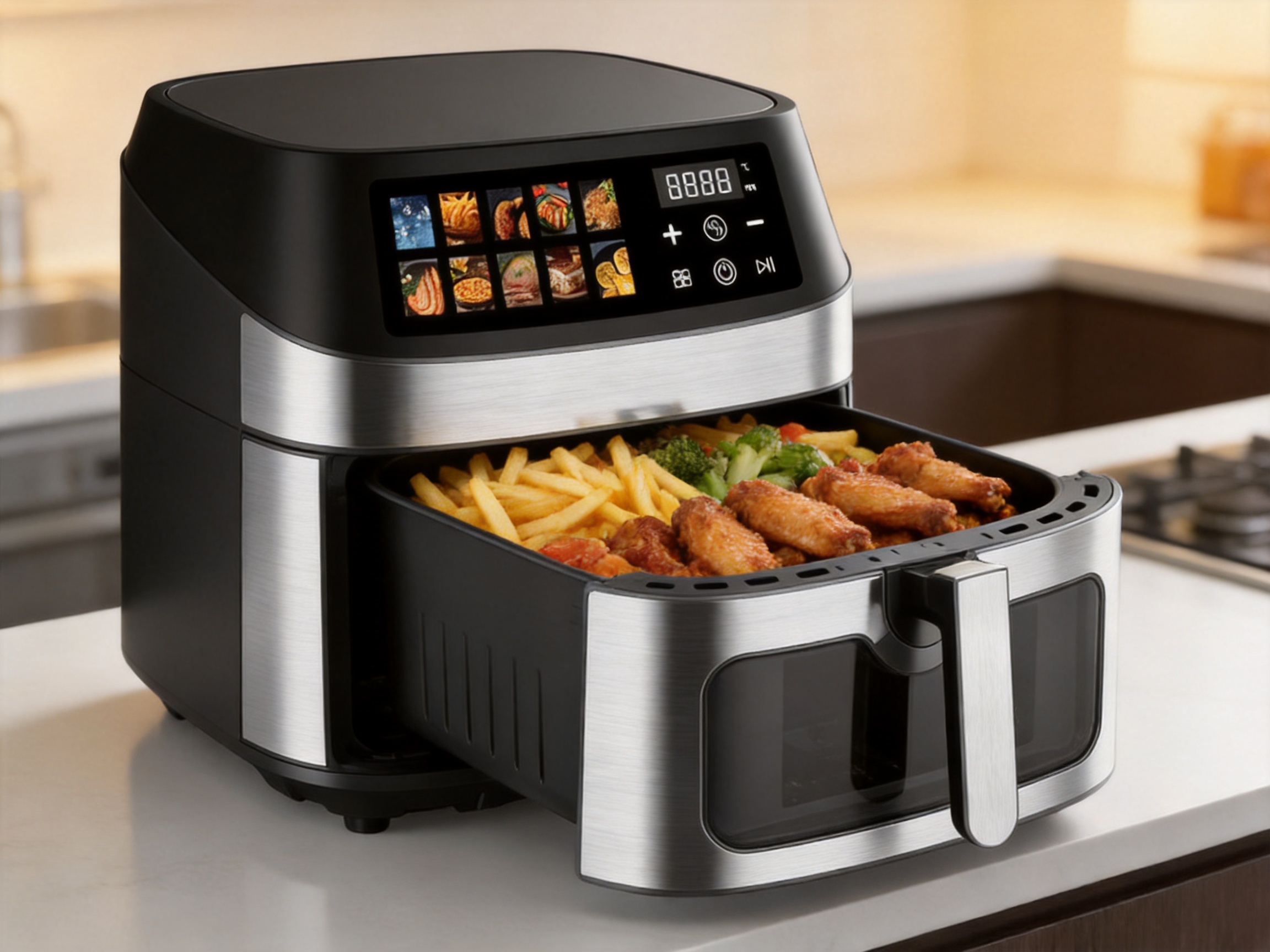
CIXI GSTAR ELECTRIC APPLIANCE CO., LTD. has experience in the design, development, and manufacture of small electric kitchen appliances. Its product range includes blenders, slicers, choppers, food processors, smokeless grills, hot pots, air fryers, and air ovens. The company also develops non-electric products for bars, restaurants, and hotels, including ice buckets, beverage dispensers, pitchers, slicers, and graters.
This product breadth is valuable because it gives the manufacturer experience across multiple appliance categories, materials, mechanical structures, and user requirements. Knowledge gained from food processors, heating appliances, and food-contact products can support the development of air fryer components and related accessories.
The company began developing its own manufacturing and product-development activities after earlier experience in export sales, sourcing, quality control, and international customer service. This background is relevant to wholesale buyers because successful appliance supply involves more than factory production. It also requires communication, product adaptation, documentation, packaging coordination, inspection, delivery planning, and after-sales support.
Factory Infrastructure
The company reports operating a wholly owned production facility with a production area of approximately 15,000 square meters and more than 200 experienced workers. Earlier company information also describes a facility occupying approximately 10,000 square meters with a building area of approximately 18,000 square meters. Because facility figures may change as the business expands, customers should confirm the current factory profile during qualification.
A dedicated manufacturing site can provide stronger control over production scheduling, assembly, quality inspection, and process improvement. It can also help reduce dependence on unrelated subcontractors for core operations. For international customers, direct factory control may support more consistent communication and faster handling of engineering changes.
Research and Development Resources
The company reports an engineering and research-and-development team of approximately 10 engineers. A dedicated R&D function supports product design, prototype development, structural improvement, electrical integration, appearance refinement, and product testing.
For an air fryer, R&D work may include airflow studies, heating performance, temperature control, basket geometry, handle strength, housing ventilation, user-interface layout, material compatibility, and assembly efficiency. The ability to address these areas internally can help a manufacturer respond to market requirements and customer feedback.
Gstar also states that it has developed innovative products and holds its own product patents in certain categories. While patent ownership does not by itself guarantee the performance of every model, it indicates a development-oriented approach rather than a purely trading-based business model. Buyers seeking differentiated products may benefit from working with a supplier that can participate in design and engineering discussions.
Quality-Control Personnel
The company reports a quality-control team of approximately 10 persons. A dedicated QC function can support incoming-material checks, production inspections, assembly verification, electrical testing, appearance inspection, packaging checks, and pre-shipment sampling.
Quality control is particularly important for heating appliances. Air fryers combine electrical power, heat, plastics, metal parts, food-contact surfaces, and moving or removable components. A stable process must verify that the appliance is assembled correctly and that critical parts meet the approved specifications.
Typical inspection points may include power consumption, insulation performance, grounding where applicable, heating operation, timer or control response, abnormal noise, basket fit, housing condition, labeling, cord and plug configuration, and carton protection. The precise inspection plan should be agreed upon with the customer and aligned with the destination market.
Manufacturing Process for an Air Fryer
Product Design and Engineering Review
Manufacturing begins with product definition. Engineers establish the capacity, electrical requirements, external dimensions, material structure, heating system, controls, removable parts, user interface, and packaging arrangement. At this stage, the product must be evaluated not only for appearance but also for manufacturability, serviceability, safety, and cost.
Design-for-manufacturing principles can help reduce unnecessary parts and simplify assembly. Correctly designed joints, controlled tolerances, accessible fasteners, and standardized components may improve production efficiency while reducing the risk of assembly errors. The product must also be designed to withstand the repeated heating and cooling cycles associated with normal use.
Tooling and Plastic Molding
Several of the listed materials are suitable for molded components. Tooling quality affects dimensional accuracy, surface finish, part consistency, and assembly fit. During molding, process parameters such as temperature, pressure, cooling time, and material drying can influence the finished parts.
Consistent molding is important for the air fryer housing because uneven dimensions can affect basket movement, panel alignment, ventilation, and visual appearance. It is also important for heat-related areas where clearances and material positioning may influence safety and performance.
Metal Component Preparation
Aluminum and SS430 stainless steel components require controlled forming, cutting, stamping, bending, or other suitable processes. Metal parts should be checked for burrs, deformation, sharp edges, surface damage, and dimensional accuracy. Food-contact or heat-exposed components require particular attention to cleanliness and surface condition.
Correct metal preparation can improve the user’s perception of quality. Smooth edges, consistent surfaces, and accurate fit contribute to a more refined product and can reduce the chance of damage during cleaning or handling.
Heating and Electrical Assembly
The electrical assembly stage integrates the heating system, wiring, controls, connectors, thermal protection, insulation, and power cord. Each connection must be installed according to the approved design. Wiring should be routed and secured to avoid contact with hot surfaces, sharp edges, or moving parts.
Electrical testing can include continuity checks, insulation checks, power testing, grounding verification where applicable, and functional operation. Heating appliances should also be evaluated for abnormal temperature behavior and correct response of protective components. The testing plan should reflect the chosen voltage version and destination-market requirements.
Final Assembly and Functional Testing
At final assembly, the housing, cooking chamber, basket or pot, controls, handle, feet, labels, and accessories are combined into the finished product. Operators should follow standardized work instructions to ensure that parts are installed consistently.
Functional testing can verify that the appliance powers on, heats correctly, responds to controls, and operates without unusual noise or visible defects. Sampling levels and test duration may differ according to the customer’s quality agreement. For larger orders, customers may also request third-party inspection or on-site pre-shipment inspection.
Packaging and Carton Protection
The product is packed in an individual gift box, with two pieces listed per master carton. The stated gift box and carton dimensions provide a basis for logistics planning, warehouse allocation, container loading, and retail packaging evaluation.
Packaging must protect the appliance from vibration, impact, compression, and moisture during domestic transport and international shipping. Internal supports should prevent the basket, housing, and controls from moving excessively. Printed instructions, warning labels, model information, voltage data, and barcode requirements should be confirmed before mass production.
International Supply and Commercial Applications
The product is suitable for importers, distributors, supermarket programs, home-appliance retailers, online sellers, hospitality suppliers, and private-label customers. Its 8-liter capacity allows it to be positioned as a family-size or large-capacity air fryer rather than a small personal unit.
The company’s reported experience with international customers and major retail channels provides a useful foundation for export-oriented cooperation. The business describes previous sales to markets in Europe, South America, Korea, Southeast Asia, and other regions. Such experience can help a supplier understand the importance of destination-market packaging, electrical configurations, documentation, and customer communication.
Wholesale and Retail Positioning
For retailers, the product can be positioned around several clear consumer benefits: generous capacity, compact countertop design, strong 1700-watt heating power, reduced reliance on added oil, and flexible everyday cooking. These points are easy to communicate in product listings, packaging, demonstrations, and promotional campaigns.
Retailers should avoid making unsupported health or performance claims. The air fryer can help users prepare foods with less added oil in many recipes, but the nutritional result depends on the ingredients and cooking method. Likewise, cooking time and crispness depend on the food and settings. Accurate marketing builds consumer trust and reduces returns.
Private-Label Potential
Manufacturers with engineering, production, and packaging capabilities can be suitable partners for private-label programs. A private-label customer may require a specific logo, color, control-panel design, gift box, instruction manual, plug, barcode, or market-specific label. These requirements should be reviewed during the quotation and sample stages.
Before committing to a private-label order, buyers should confirm minimum order quantities, tooling requirements, sample approval procedures, artwork deadlines, lead times, quality standards, warranty terms, spare-parts policies, and shipping conditions. Early confirmation helps prevent delays and ensures that the final product matches the approved sample.
Order Planning
The listed MOQ information indicates a container-scale order quantity, with figures of approximately 1080 pieces per 40HQ and 1026 pieces per 40HQ shown for different configurations. Since loading quantities depend on packaging dimensions, pallet use, carton arrangement, and final product version, the actual quantity should be confirmed with the supplier before purchase.
Commercial planning should also account for product samples, certification documents, shipping marks, carton labels, inspection arrangements, spare units, replacement parts, and after-sales support. A clear purchase specification is especially important when several voltage or model options are available.
Quality, Compliance, and Documentation
Compliance is a major consideration for electrical appliances sold internationally. The product information lists RoHS, LFGB, CB, CE, and GS certifications. These references suggest that the product has been developed with international compliance requirements in mind, but buyers should verify the specific certificates, test reports, certificate holders, model numbers, voltage versions, and applicable standards.
RoHS is generally associated with restrictions on certain hazardous substances in electrical and electronic products. LFGB is commonly relevant to food-contact materials and articles in the German regulatory context. CB certification is associated with international electrical and electronic equipment testing. CE marking relates to applicable European Union conformity requirements, while GS is a voluntary German-tested safety mark when properly issued for the relevant product.
Certification is not a substitute for responsible manufacturing. A compliant product must continue to match the tested construction and approved components. Changes to the heating system, wiring, plastics, food-contact materials, power cord, control board, or supplier components may require technical review. Change control is therefore an important part of long-term quality management.
Recommended Buyer Verification
Commercial buyers should request the latest technical specification sheet, product drawings where necessary, certification copies, test reports, declaration documents, food-contact information, material information, user manual, packaging artwork, and warranty policy. The buyer should compare these documents with the actual production sample.
It is also advisable to confirm whether the stated 127-volt and 220–240-volt versions use different heating elements, control components, plugs, cords, labels, or internal wiring. The exact frequency range and rated power should be printed consistently on the product label, packaging, manual, and compliance documentation.
User Experience and Everyday Operation
The product’s practical value comes from its ability to simplify daily cooking. Users can prepare common foods without filling a deep-fryer reservoir or heating a large oven. The removable single-pot cooking arrangement makes it easier to transfer food, inspect progress, and perform routine cleaning.
For best results, users should distribute food appropriately, avoid obstructing ventilation, and follow recipe guidance. Ingredients with high moisture content may require different settings from frozen products. Larger or thicker foods may need additional time, turning, or shaking during cooking. Food safety practices remain essential, particularly when preparing poultry, meat, seafood, or other perishable ingredients.
The appliance should be placed on a stable, heat-resistant surface with sufficient space around ventilation areas. Users should avoid immersing the main electrical housing in water and should allow hot components to cool before cleaning. These basic practices can help preserve product condition and reduce the risk of accidents.
Ease of Use as a Market Advantage
Consumers often compare air fryers according to how quickly they can understand and use them. A practical single-pot design reduces the learning curve. Retailers can strengthen this advantage by supplying clear instructions, cooking charts, cleaning guidance, and simple recipe examples.
A straightforward user experience is also valuable in hospitality and office environments. Staff members can use a large-capacity appliance for snacks and light food preparation without requiring extensive training. However, commercial users should confirm that the intended operating frequency and environment are appropriate for the product’s design and warranty conditions.
Why Supplier Capability Matters
When buyers compare air fryer suppliers, the visible product is only one part of the decision. The supplier’s ability to repeat the same quality across large orders is equally important. A factory with internal product-development, engineering, assembly, and QC resources may be better positioned to control product consistency than a trading company that relies entirely on external production.
CIXI GSTAR ELECTRIC APPLIANCE CO., LTD. presents itself as a manufacturer with a long-term focus on small electric kitchen appliances. Its history includes export sales, product sourcing, quality control, product development, patented non-electric products, and later expansion into electrical appliances. This combination of commercial and technical experience can support closer cooperation with overseas buyers.
The company’s stated production scale, engineering team, quality-control personnel, and broad appliance portfolio indicate the resources needed to support ongoing product development. Its reported sales performance in food processors and air-treatment cooking categories also reflects experience with volume-oriented programs. As with any supplier evaluation, buyers should validate current capabilities through factory audits, samples, inspection records, and commercial references.
Engineering Partnership
Some customers need more than a standard catalog product. They may require changes to capacity, appearance, controls, accessories, packaging, or market-specific electrical requirements. A supplier with in-house engineers can help evaluate whether these changes are technically practical and commercially viable.
Engineering partnership can also improve product refinement after market launch. Customer feedback may identify opportunities to improve handle strength, basket release, cleaning access, control labeling, packaging protection, or user instructions. A responsive manufacturer can convert this feedback into controlled design improvements.
Production Consistency
Consistency involves more than producing the same color and shape. It includes stable power output, repeatable heating behavior, correct electrical labeling, secure assembly, reliable basket fit, consistent material quality, and accurate packaging. Standard operating procedures, inspection checkpoints, trained workers, and documented specifications all contribute to this consistency.
For major retail or online programs, production consistency can directly affect product reviews and return rates. A well-managed supplier should be able to discuss its quality checkpoints and explain how nonconforming components are identified, isolated, corrected, or rejected.
Environmental and Practical Considerations
Air frying can support lower-oil cooking, which may reduce household dependence on deep-frying oil. The compact format may also be practical for preparing smaller portions without heating a large oven. These benefits should be communicated accurately and without overstating energy or health outcomes.
The product’s material combination should be managed responsibly throughout manufacturing and disposal. Packaging optimization can help reduce transport inefficiency, while durable construction may help extend the usable life of the appliance. Appropriate maintenance, cleaning, and replacement of selected components can further support longer ownership.
Environmental claims should be based on measurable evidence. Retailers should distinguish between the cooking method’s potential benefits and formal sustainability certifications. If a customer requires recycled materials, recyclable packaging, energy testing, or specific environmental documentation, those requirements should be agreed upon before production.
Purchasing Checklist for Importers
Importers considering the GSE047T(F/S) and GSE047D(F/S) series should begin by selecting the intended voltage and model configuration. The buyer should then confirm the final product dimensions, gift box dimensions, carton dimensions, net and gross weights, loading quantity, and carton markings.
The next step is sample evaluation. A sample should be tested for appearance, controls, basket fit, heating function, noise, stability, cleaning convenience, cord and plug configuration, and user instructions. If the product will be sold under a private label, the approved sample should include the final branding and packaging where possible.
Documentation review should include certificates, test reports, manuals, labels, material information, warranty terms, and inspection requirements. Buyers should also confirm whether the listed certification package covers every intended destination market or whether additional national testing is required.
Finally, the purchase contract should define product specifications, acceptable quality limits, inspection procedures, production lead time, payment terms, packaging standards, replacement policy, spare-parts support, and responsibilities for regulatory compliance. Clear documentation protects both the buyer and the manufacturer.
Q&A
What is the capacity of this air fryer?
The product has an 8-liter single-pot cooking capacity. This makes it suitable for family portions, shared meals, snacks, side dishes, and larger batches than many personal-size air fryers.
What is the rated power?
The listed rated power is 1700 watts. This power level is designed to support the product’s 8-liter cooking chamber, although actual cooking performance depends on food load, airflow, temperature control, and recipe conditions.
Which voltage versions are available?
The product information lists 127-volt and 220–240-volt configurations. Buyers should select the appropriate electrical version for the destination market and confirm the plug, cord, label, heating element, and certification documentation before ordering.
Is this a dual-basket air fryer?
No. The product is identified as an 8-liter single-pot air fryer. Its main advantages are a generous unified cooking area, simple operation, and a potentially easier cleaning routine compared with multi-basket designs.
What materials are used?
The listed materials are PP, PA, aluminum, ABS, PC, and SS430 stainless steel. The exact material assigned to each component should be confirmed through the final technical specification and food-contact documentation.
What certifications are listed?
The supplied information lists RoHS, LFGB, CB, CE, and GS. Buyers should request current certificates and test reports and confirm that they apply to the exact model, voltage version, and destination market.
What are the product dimensions?
The stated product dimensions are approximately 41.5 by 32.5 by 32.7 centimeters. Packaging dimensions are larger and vary slightly by model or configuration.
How many units are packed in one carton?
The listed packing quantity is two pieces per carton. The final carton arrangement should be confirmed because packaging design, protective inserts, palletization, and destination requirements can affect logistics.
What is the approximate shipping weight?
The supplied information lists approximately 15 kilograms gross weight and 13 kilograms net weight. These figures should be confirmed against the final production and packaging configuration.
Can the product be customized?
Potential customization may include appearance, labeling, packaging, manuals, plugs, colors, or other commercial details. The feasibility, tooling, MOQ, cost, and lead time for each change should be discussed with the manufacturer before approval.
What kind of company manufactures the product?
CIXI GSTAR ELECTRIC APPLIANCE CO., LTD. is described as a manufacturer and developer of small electric kitchen appliances and related products. The company reports its own factory, engineering resources, quality-control personnel, and experience serving international customers.
What should buyers inspect before mass production?
Buyers should inspect heating performance, power rating, basket fit, control operation, housing quality, materials, labels, plug and cord, packaging, manual content, certification documents, and the product’s compliance with the approved sample. Independent pre-shipment inspection may also be considered for larger orders.
Conclusion
The GSE047T(F/S) and GSE047D(F/S) air fryer series combines an 8-liter single-pot chamber with 1700 watts of rated power, a practical countertop footprint, and a multi-material construction designed for everyday use. Its capacity gives it an advantage over small personal air fryers, while its single-pot format offers simpler operation than many dual-basket alternatives.
The product is suitable for family kitchens, retail channels, online commerce, hospitality applications, and international wholesale programs. Its potential commercial strengths include broad voltage availability, listed international certifications, manageable packaging, and an attractive balance between cooking capacity and external size.
The supplier’s reported factory infrastructure, engineering team, QC resources, product-development history, and experience with international markets further support its position as a manufacturing partner. Buyers should still complete normal supplier qualification, sample approval, technical-document review, certification verification, and pre-shipment quality procedures.
For customers seeking a large-capacity air fryer with a straightforward single-pot design, the product offers a practical combination of usability, cooking flexibility, manufacturing experience, and wholesale potential.
References
1. Product specification information supplied for the GSE047T(F/S) and GSE047D(F/S) air fryer series.
2. Manufacturer-provided company profile for CIXI GSTAR ELECTRIC APPLIANCE CO., LTD.
3. General principles of air circulation cooking, hot-air frying, and household appliance operation.
4. General product-development practices for plastic molding, metal forming, electrical assembly, functional testing, and packaging inspection.
5. General compliance concepts relating to RoHS, LFGB, CB, CE, and GS requirements.