
 English
 中文简体
中文简体 Español
 English
 中文简体
中文简体 Español

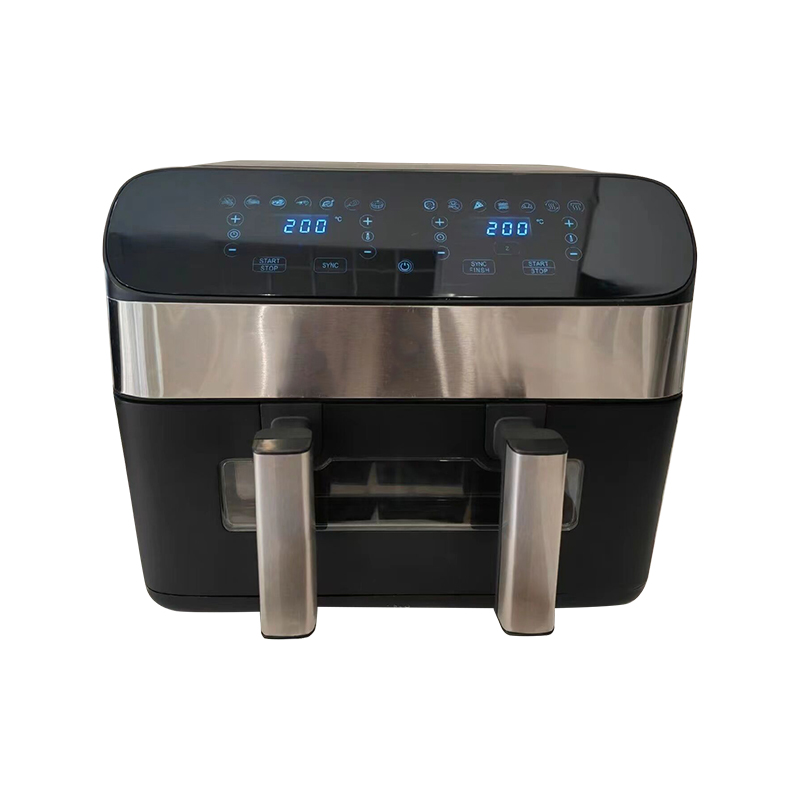
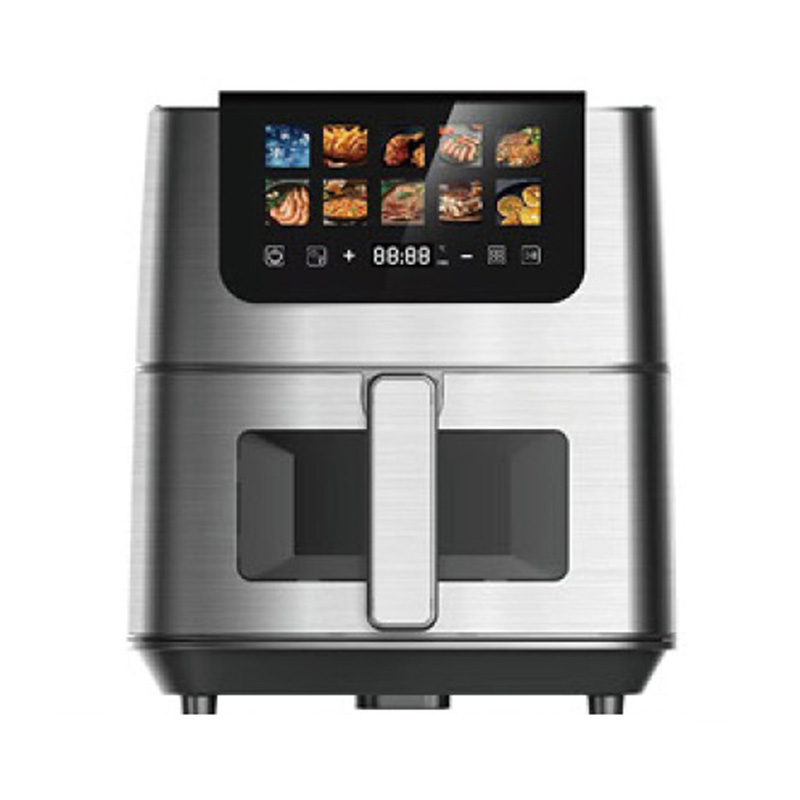
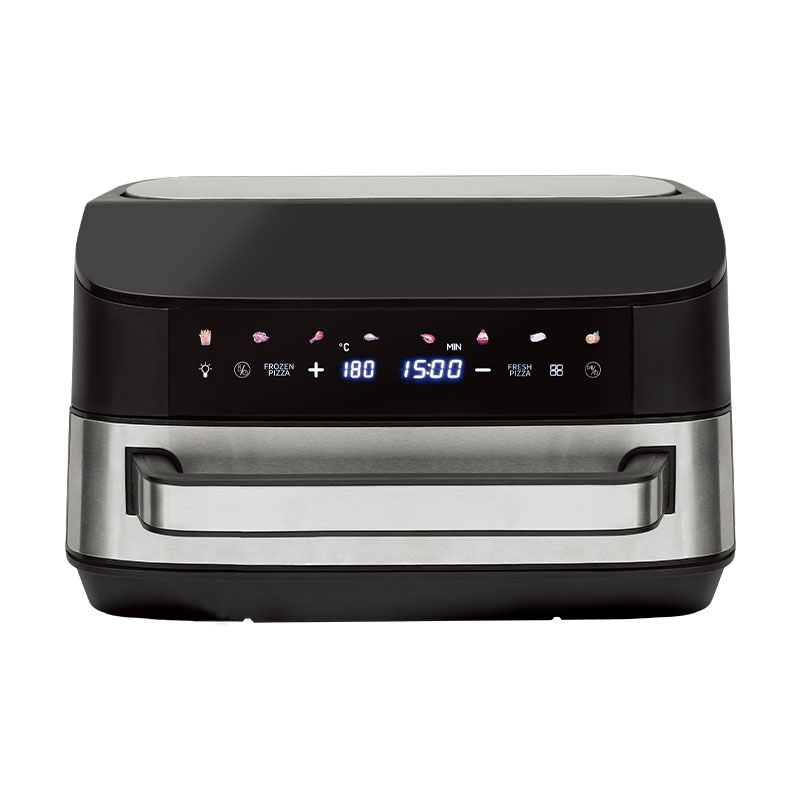
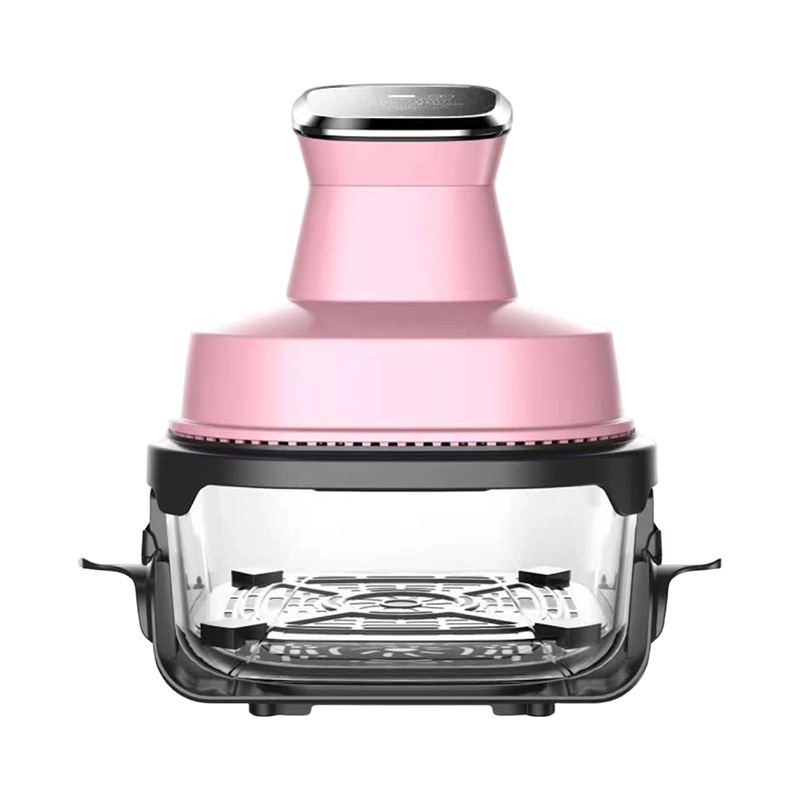
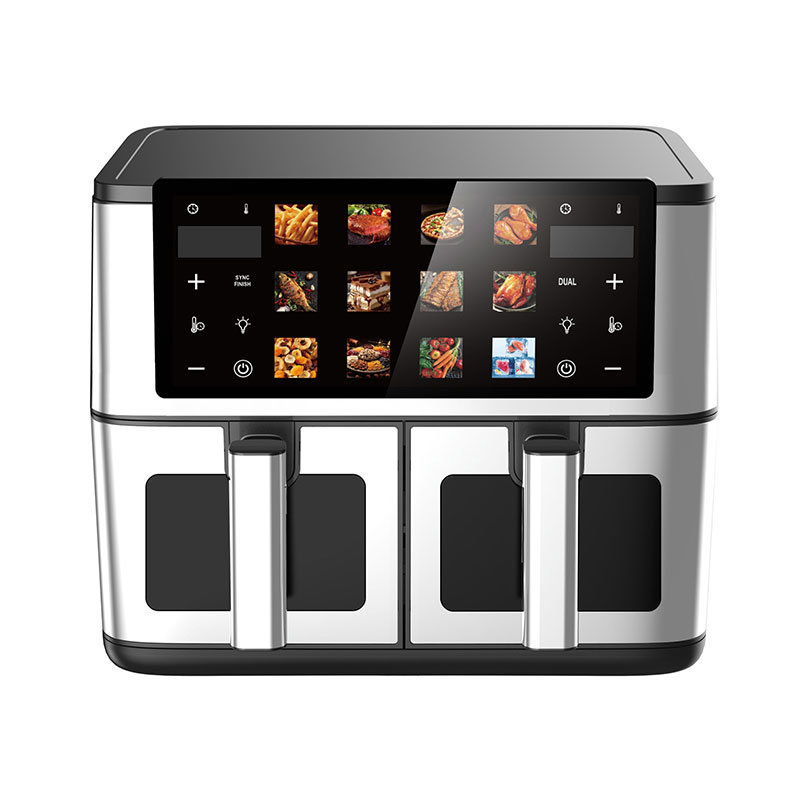
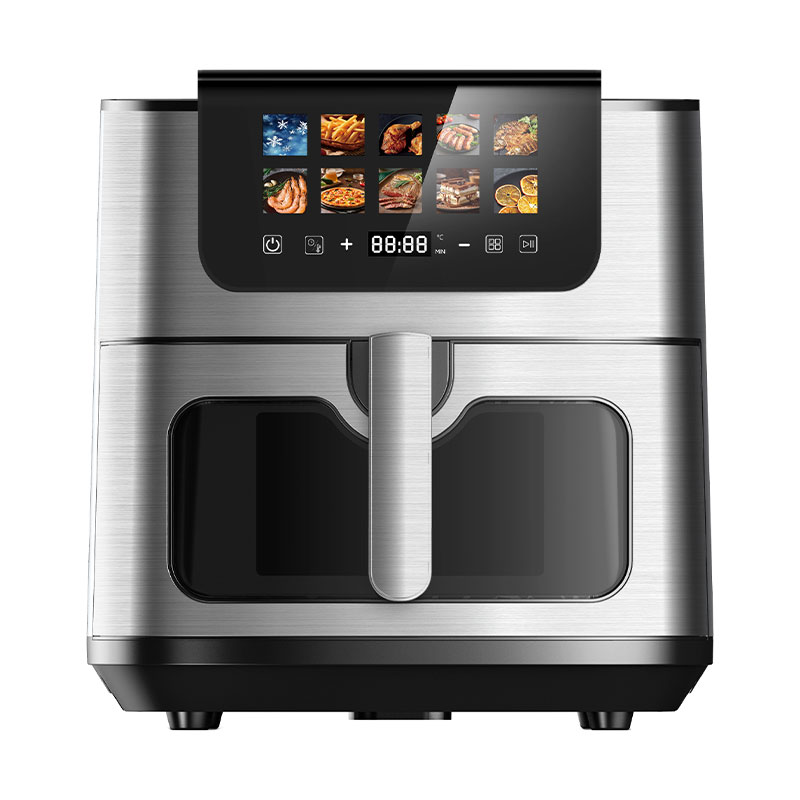
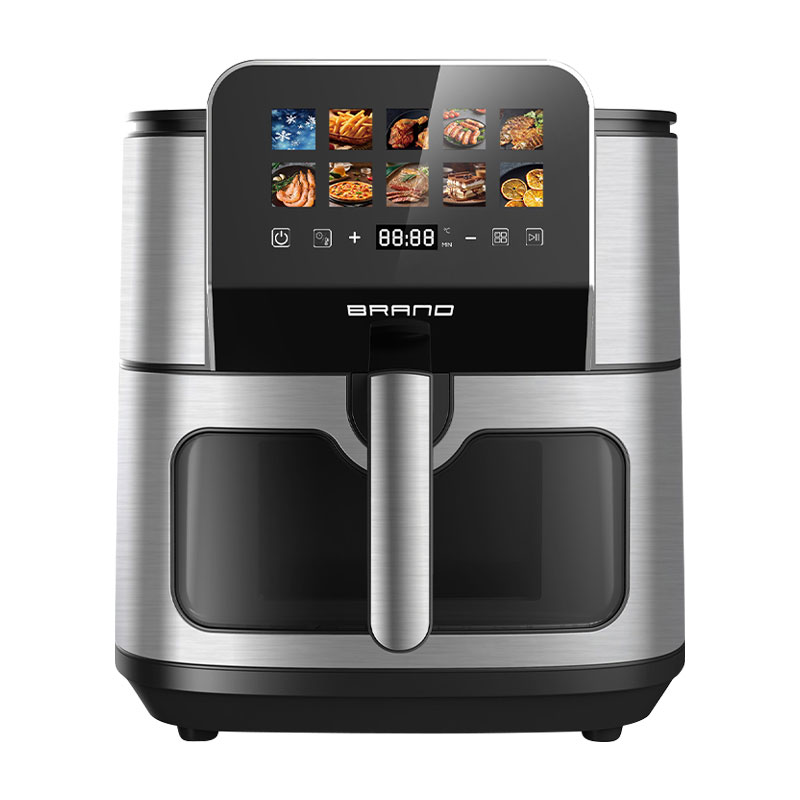
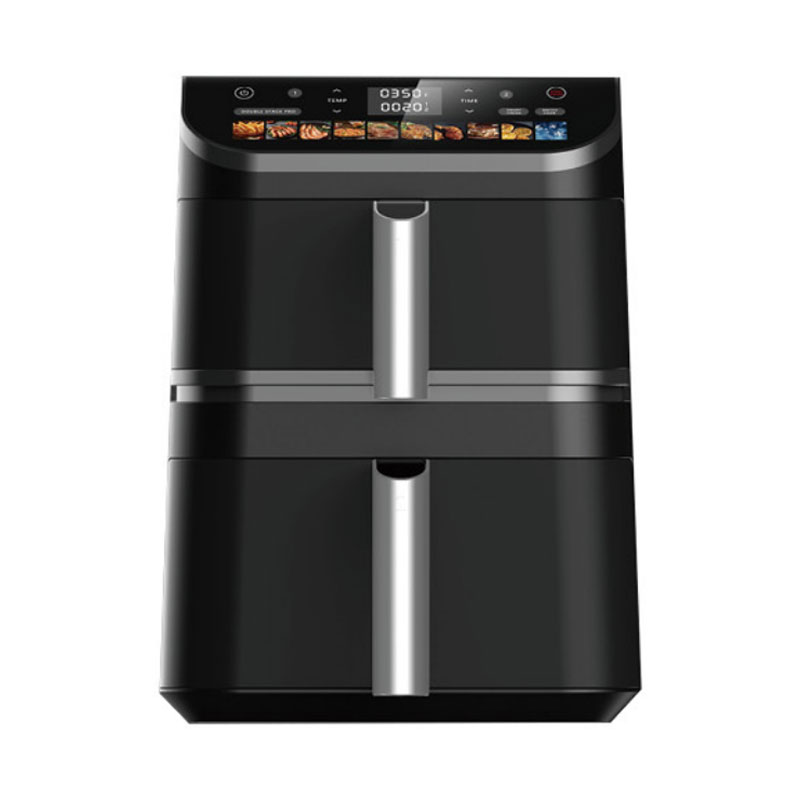
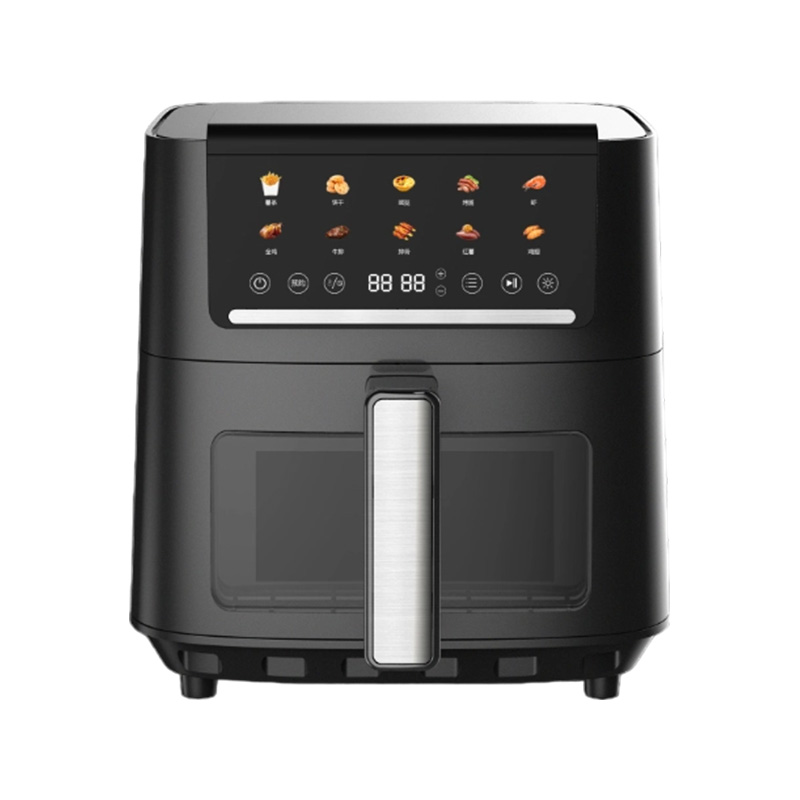
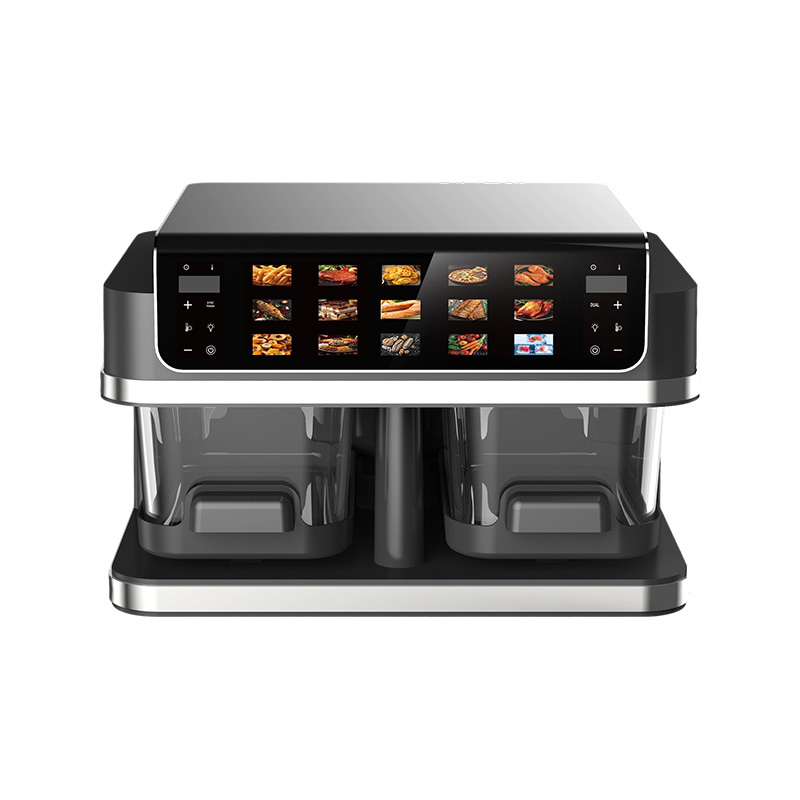
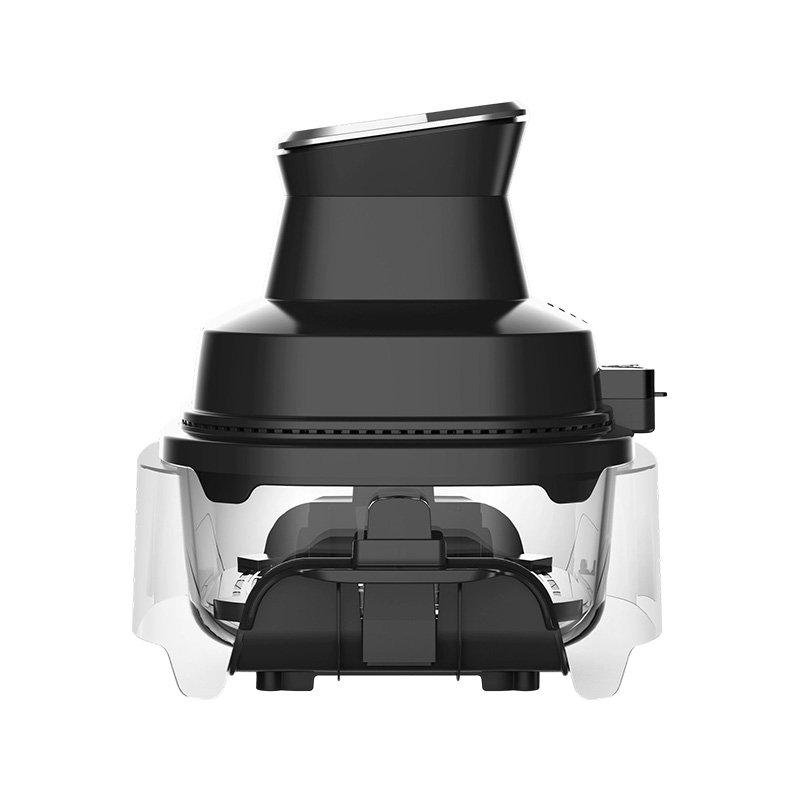
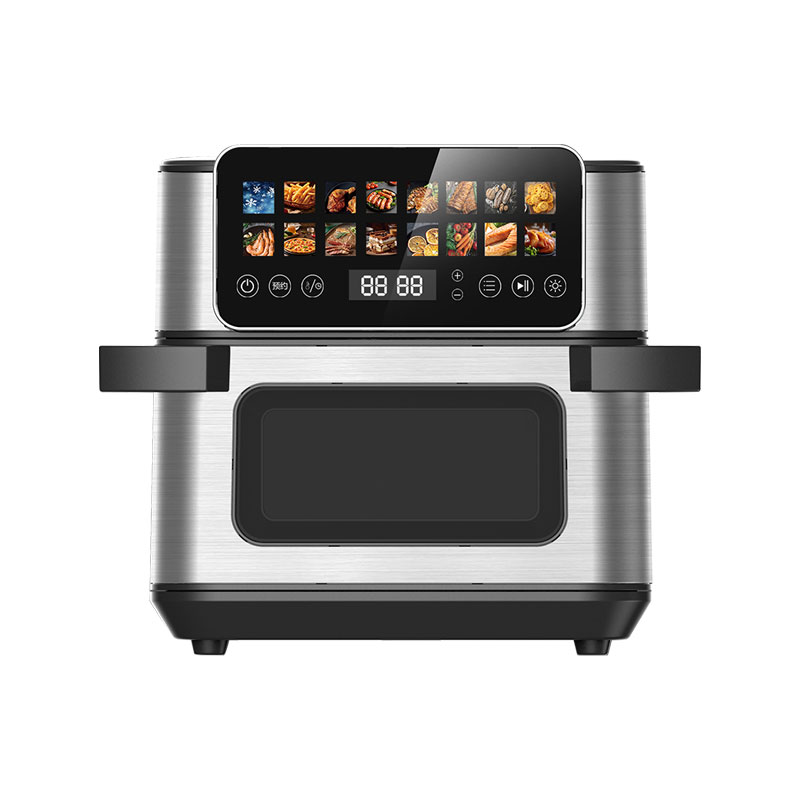
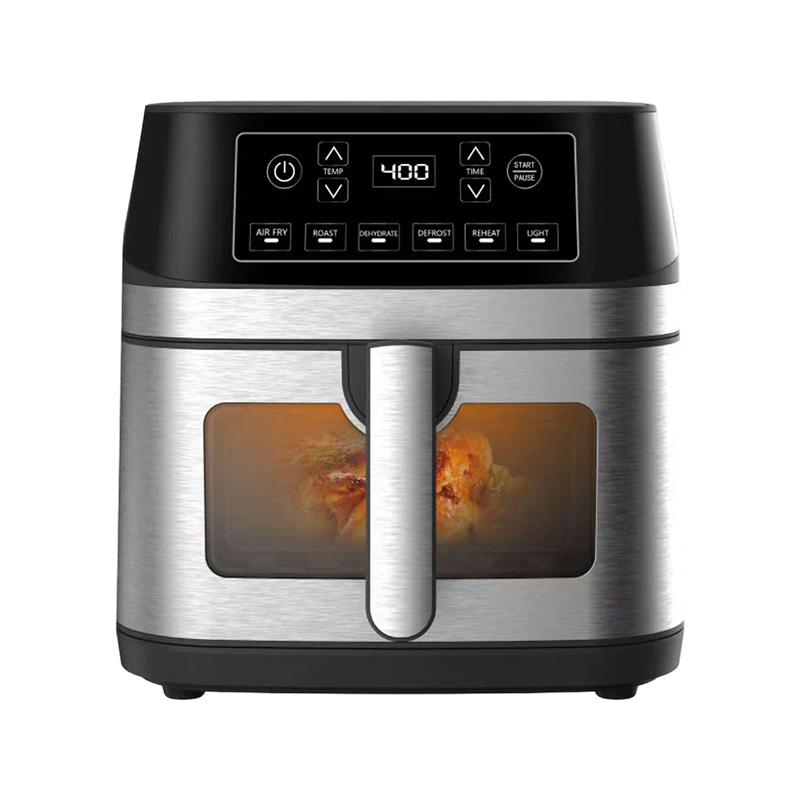
Perspective Version GSE041 Air Fryer
The modern kitchen is changing quickly. Consumers increasingly want appliances that make everyday cooking easier, faster, cleaner, and more flexible. At the same time, retailers and distributors are looking for products that combine practical functions, attractive design, dependable quality, and competitive commercial value. The Perspective Version GSE041 Air Fryer is designed for this growing market. It represents a practical approach to small kitchen appliance development, combining the convenience of hot-air cooking with a visually engaging product design and the manufacturing experience of CIXI GSTAR ELECTRIC APPLIANCE CO., LTD.
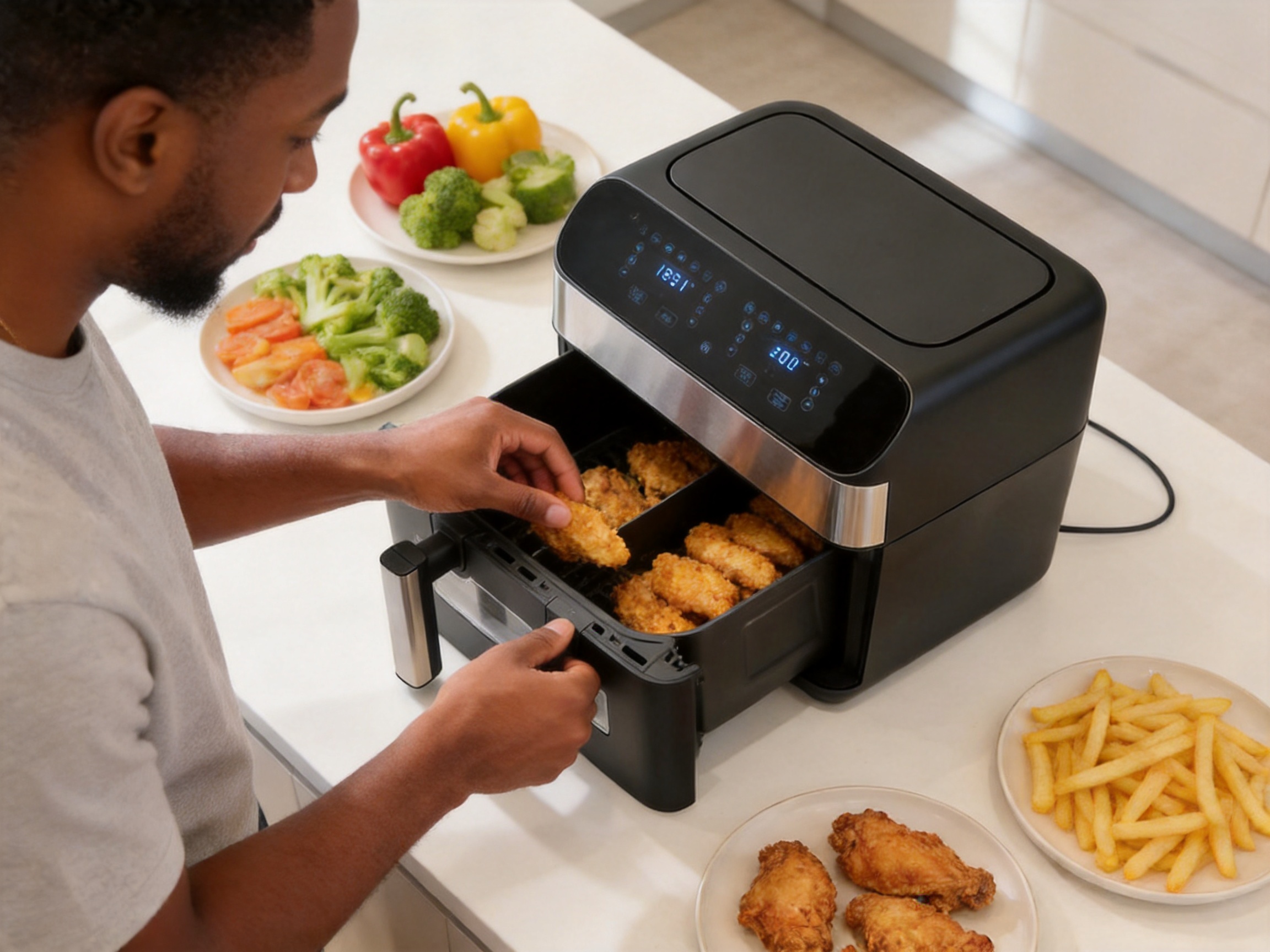
Air fryers have moved from being a specialty appliance to becoming a regular part of household kitchens. They are used for preparing snacks, side dishes, frozen foods, vegetables, meat, seafood, and many other daily meals. Their appeal comes from the ability to circulate heated air around food, helping users achieve a browned and crisp exterior with less dependence on traditional deep-frying methods. For consumers, this can mean less oil handling, simpler cleanup, and more convenient meal preparation.
The GSE041 is positioned within the small electric kitchen appliance category, where product size, ease of use, visual appeal, and consistent operation are especially important. It can serve households, apartment kitchens, student accommodations, office pantries, hospitality environments, and retail programs seeking an accessible air-frying solution. Its perspective-oriented design also helps distinguish it from conventional products that rely only on a solid exterior and basic functional appearance.
Product Overview
The Perspective Version GSE041 Air Fryer is a compact electric cooking appliance developed for daily food preparation. Its central purpose is to deliver convenient hot-air cooking in a format suitable for modern home kitchens. Instead of requiring a large cooking installation, the appliance is intended to provide a dedicated countertop solution for users who want to prepare food efficiently without occupying the space of a full-size oven.
The product belongs to the air fryer category and forms part of a wider portfolio of small electric kitchen appliances. This category requires careful attention to heating performance, airflow, housing construction, controls, food-contact components, safety, packaging, and user experience. A successful air fryer must work as a complete system rather than as a simple heating device. The heating elements, airflow path, cooking chamber, basket or tray structure, controls, exterior body, and protective components all need to operate together.
The “Perspective Version” design concept provides an important point of differentiation. In a competitive market, consumers often compare products based not only on core cooking performance but also on how clearly the product communicates its function. A perspective-oriented exterior can make the appliance appear more open, modern, and visually accessible. It can also support a product presentation that stands out on retail shelves, online marketplaces, and promotional catalogs.
Because the GSE041 is intended for international customers and wholesale programs, its value is not limited to the end user. Importers, brand owners, supermarket buyers, kitchenware distributors, and hospitality suppliers may evaluate the product according to a broader set of criteria, including production consistency, quality control, delivery capability, engineering support, packaging adaptability, and long-term cooperation. The manufacturer’s experience in product development and export-oriented production gives the GSE041 a foundation for these requirements.
Why Air Fryers Continue to Attract Consumers
Air fryers answer several important consumer needs at the same time. First, they support faster preparation for many everyday foods. Users can place food into the cooking chamber, select an appropriate operating setting, and continue with other tasks while the appliance works. Compared with conventional pan frying, air frying can reduce the amount of active attention required during cooking.
Second, an air fryer can help simplify the cooking process. Traditional frying often involves oil, a frying pan, splashing, utensils, and more extensive cleanup. A dedicated air fryer concentrates the cooking activity inside a purpose-built chamber. This can make the appliance especially attractive to people who want convenient meals without using a large amount of cookware.
Third, the appliance supports a broad range of food applications. Depending on the user’s recipe and the model’s capacity, an air fryer may be used for fries, chicken pieces, fish, vegetables, pastries, reheated foods, snacks, and other items. This flexibility helps the product maintain a practical role in the kitchen rather than being used only for one type of recipe.
Fourth, the air fryer format is suitable for changing household lifestyles. Smaller homes, rented apartments, shared accommodations, and compact kitchens may not have enough room for a full oven or may not require one for daily meals. A countertop appliance can offer a more focused cooking solution while remaining easier to position and store.
These advantages explain why air fryers remain attractive to retailers. The category can appeal to first-time buyers, replacement buyers, gift purchasers, and customers upgrading from basic kitchen appliances. A model with a differentiated appearance, dependable production support, and practical wholesale positioning can therefore serve multiple sales channels.
Design Advantages of the GSE041
Perspective-Oriented Visual Appeal
The most visible distinction of the GSE041 is its perspective-oriented design. Product appearance has a direct influence on the first impression created in a showroom, catalog, online listing, or promotional campaign. A conventional appliance may communicate its function clearly, but a more visually engaging model can create stronger interest and improve product recognition.
The perspective concept can support a sense of visibility and openness. Consumers often want to understand how an appliance fits into their kitchen and how it may be used before making a purchase. A design that presents the cooking function in a clear and approachable way can reduce the visual distance between the appliance and the user. This is particularly useful for products promoted through lifestyle imagery and digital commerce.
For retailers, visual differentiation can also help separate the GSE041 from a crowded field of similar air fryers. Many products compete within the same general size and functional category. When several models offer comparable basic cooking concepts, exterior styling, perceived usability, and product presentation become important factors. The GSE041 offers an opportunity to build a more distinctive product range without moving away from the familiar air fryer format.
Countertop Convenience
Small electric appliances must balance useful internal space with a manageable external footprint. The GSE041 is developed as a countertop air fryer, making it suitable for ordinary household kitchens and other locations where space is limited. A compact appliance can be placed on a worktop during use and stored in a cabinet or utility area when not required, depending on the customer’s kitchen arrangement.
Countertop convenience is also valuable for hospitality and commercial environments. Guest apartments, staff kitchens, small cafés, office break rooms, and accommodation facilities may need simple cooking equipment without installing a full-size kitchen system. An air fryer can provide an additional preparation option while avoiding the infrastructure requirements associated with larger cooking equipment.
Accessible Daily Cooking
The GSE041 is intended to make air-based cooking more approachable. Its product category is familiar to many consumers, which helps reduce the learning barrier associated with more complex kitchen technology. The appliance can be presented as a practical tool for regular meals rather than as a specialized device used only by experienced cooks.
Accessibility is important in international markets because users may have different cooking habits, household sizes, and expectations. A straightforward air fryer can be promoted to families, young professionals, older consumers, and consumers purchasing their first electric cooking appliance. Clear instructions, suitable packaging, and localized user materials can further improve the ownership experience.
Functional Value in Everyday Kitchens
An air fryer’s value is measured by what it enables users to do repeatedly and conveniently. The GSE041 can support cooking routines in which speed, reduced preparation effort, and limited cleanup are priorities. Users may prepare a quick lunch, finish a side dish, reheat prepared food, or make snacks without turning on a larger oven.
The appliance can also support portion flexibility. A user cooking for one or two people may prefer a countertop air fryer over a large oven because the smaller cooking environment can be more suitable for modest portions. Families may use it for snacks, side dishes, or separate meal components while another item is being prepared elsewhere.
Another practical advantage is the ability to place the appliance close to the food preparation area. This can create a more efficient workflow. Food can be seasoned and loaded, the appliance can be started, and the user can focus on other preparation tasks. In this sense, the air fryer becomes part of a broader kitchen system rather than an isolated appliance.
Retail customers also tend to value products that are easy to explain. The basic consumer message is direct: the appliance uses heated air for convenient cooking and can be used for a variety of common foods. This clarity assists sales staff, product photographers, online merchants, and distributors who need to communicate product benefits quickly.
Comparison with Conventional Cooking Options
Compared with pan frying, an air fryer can reduce the need for a large quantity of cooking oil and may reduce splashing around the cooking surface. It also keeps the cooking process more contained than an open frying pan. These characteristics can be particularly attractive to consumers who want a cleaner and less hands-on cooking routine.
Compared with a full-size oven, a countertop air fryer may be more convenient for smaller portions and quick preparation tasks. Users do not necessarily need to heat a large oven for a small quantity of food. The dedicated appliance can be placed near the working area and used for specific recipes or reheating applications.
Compared with basic microwave-only preparation, an air fryer offers a different food texture. Hot-air circulation is commonly associated with browning and crisping, while microwave cooking is mainly valued for rapid heating. Consumers may therefore use both appliance types for different purposes. The GSE041 can complement existing kitchen equipment rather than replacing every other appliance.
Compared with entry-level air fryers that focus only on basic function, a perspective-designed model may provide stronger visual differentiation and more marketable product identity. For private-label customers and distributors, this can be useful when creating a product assortment that needs to appear distinctive without becoming difficult for consumers to understand.
Manufacturing Strengths Behind the Product
The performance and commercial potential of an air fryer depend heavily on the manufacturing organization behind it. CIXI GSTAR ELECTRIC APPLIANCE CO., LTD. specializes in the design, development, and manufacture of small electric kitchen appliances. Its product experience includes blenders, slicers, choppers, food processors, smokeless grills, hot pots, air fryers, and air ovens.
This range is significant because many of the technical and operational requirements are shared across small kitchen appliances. Engineers and production teams must understand heating, motors, controls, food-contact materials, structural design, electrical safety, assembly methods, packaging, and user requirements. Experience across several appliance categories can help a manufacturer identify common risks and develop more practical solutions.
The company also manufactures products for bars, restaurants, hotels, and other food-service environments. These products include ice buckets, beverage dispensers, pitchers, slicers, and graters. Exposure to both household and commercial product applications can strengthen understanding of different usage conditions. Household buyers may prioritize appearance and ease of use, while commercial customers may focus more heavily on durability, productivity, maintenance, and repeat operation.
Dedicated Production Facilities
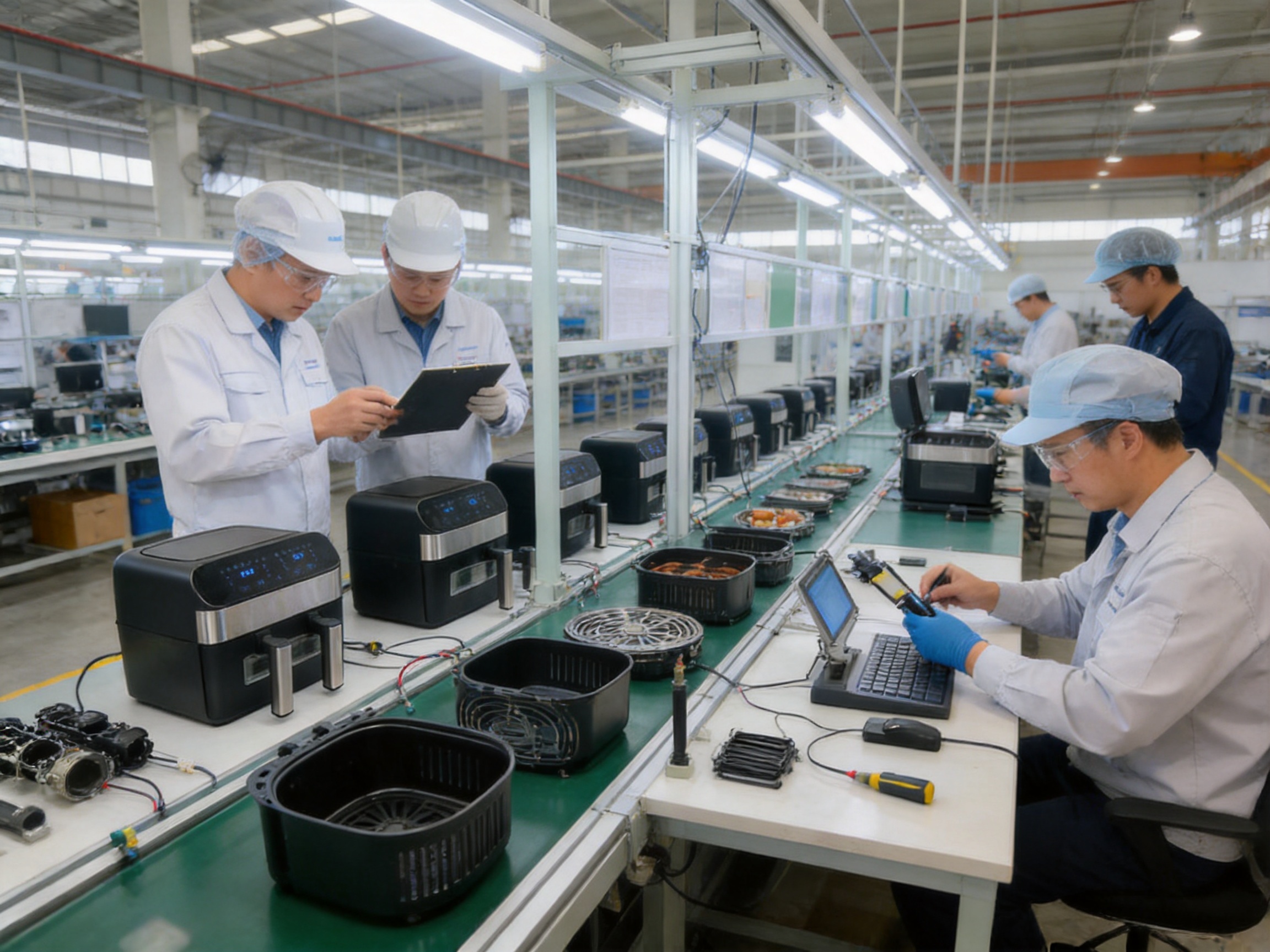
The manufacturer operates a wholly owned plant with a production area of approximately 15,000 square meters and more than 200 experienced workers. The company’s facility development reflects its transition from an innovative non-electric product supplier to a manufacturer with significant electric appliance capabilities.
A dedicated production facility can improve coordination between engineering, purchasing, assembly, quality inspection, packaging, and shipping. It also allows production processes to be organized around product families and customer requirements. For wholesale buyers, this operational structure is important because reliable supply involves much more than having a product design. The manufacturer must be able to plan materials, control production schedules, organize inspections, and prepare goods for international shipment.
The company previously described a factory of approximately 10,000 square meters with a building area of 18,000 square meters after moving into its own facility. Its present production organization includes experienced production workers, an engineering and research team, and dedicated quality-control personnel. These resources support the development and manufacturing of products such as the GSE041.
Engineering and Research Capability
Product engineering is central to air fryer manufacturing. The appliance must be designed so that the heating system, airflow, cooking chamber, controls, body, and protective components function as a coordinated unit. Engineering teams also need to consider assembly efficiency, component sourcing, serviceability, packaging protection, and the requirements of target markets.
GSTAR maintains an R&D department with engineers who work on product development and improvement. This internal capability can provide important advantages for customers seeking more than a standard catalog item. Engineering support may assist with appearance adjustments, structural refinements, control configurations, packaging changes, branding requirements, or market-specific product adaptations, subject to project evaluation and technical feasibility.
The company’s history shows a long-standing interest in product innovation. Before focusing on electric appliances, it designed and developed non-electric products with its own patents, including spiralizer drum graters, iced pitchers, and iced bowls. This background is relevant because it demonstrates experience in identifying everyday consumer problems and converting practical ideas into commercial products.
When the company began developing electric products, it expanded its capabilities into a broader range of kitchen appliances. Its experience with original product concepts provides a useful foundation for developing differentiated models rather than relying entirely on copies of existing market products.
Quality-Control Organization
Quality control is essential for an electrical kitchen appliance. The product must be checked not only for appearance but also for assembly accuracy, electrical integrity, component fit, operating consistency, packaging condition, and other customer-defined requirements. A structured QC department helps establish inspection procedures throughout the manufacturing process.
The company has dedicated quality-control personnel who work with production and engineering teams. In a well-organized appliance process, quality checks can be performed at several stages. Incoming components may be inspected before assembly. Production-line checks can identify incorrect installation or cosmetic defects. Finished-product inspections can verify overall function and appearance. Packing inspections can help reduce damage during storage and transportation.
For international buyers, quality consistency is especially important because products may travel long distances and pass through multiple distribution stages. Consistent inspection helps reduce the risk of mixed quality, avoidable returns, and customer complaints. It also supports stable relationships with retailers and brand owners who need confidence in repeat orders.
Manufacturing Process for a Small Electric Air Fryer
Product Planning and Design Review
The manufacturing process begins before the first production unit is assembled. Product planning identifies the intended market, target user, design direction, functional requirements, packaging needs, and expected order conditions. For the GSE041, the perspective design concept must be reviewed alongside practical considerations such as body construction, visibility, component placement, cleaning access, and product stability.
Engineering review helps confirm whether the product can be manufactured efficiently and consistently. Designers and engineers assess the relationship between the exterior housing and internal components. They consider how parts will be produced, how they will be assembled, and how workers can inspect the finished unit. These decisions affect production cost, quality stability, serviceability, and delivery performance.
Component and Material Management
An air fryer is made from multiple component groups, including the exterior housing, internal support structures, heating-related parts, airflow components, control elements, electrical wiring, cooking accessories, fasteners, insulation materials, and packaging materials. Each group must be specified and managed according to the product design and customer requirements.
Component management is important because a small variation in a critical part can affect assembly or operation. A reliable manufacturing program uses approved specifications, supplier coordination, incoming inspection, and traceable production records where appropriate. Materials intended for contact with food or exposure to heat require particular attention to suitability and consistency.
For wholesale customers, the ability to coordinate a complete bill of materials is a major advantage. It reduces the burden on the buyer and allows the manufacturer to manage the product as an integrated appliance rather than as a collection of unrelated parts.
Housing Production and Appearance Control
The exterior housing is one of the first features noticed by consumers. Its dimensions, surface finish, color, fit, and overall appearance influence the perceived quality of the appliance. A perspective-oriented model requires careful attention to the visual relationship between different housing sections and any transparent, semi-transparent, or viewing-related elements included in the final design.
Appearance control may include checks for surface marks, uneven color, poor alignment, gaps, scratches, deformation, and inconsistent finishing. These checks are particularly important for products sold through retail channels because cosmetic defects can affect customer satisfaction even when the appliance operates correctly.
Electrical and Functional Assembly
Electrical assembly requires disciplined procedures. Wiring, switches, controls, heating components, protective devices, and connectors must be installed according to the approved design. Workers need appropriate instructions, tools, and inspection methods. Assembly errors can create performance problems or safety risks, so quality checks should be integrated into the production line rather than left only to the final stage.
Functional assembly also includes positioning parts so that airflow and heat distribution can work as intended. The internal structure should support stable operation, appropriate separation of components, and secure fitting of the cooking accessories. Correct assembly contributes to user confidence and helps reduce variation between units.
Testing and Final Inspection
Finished appliances require inspection before packing. Testing procedures may be established according to the product design, customer specifications, applicable market requirements, and internal quality standards. These procedures can include visual inspection, basic operational checks, electrical safety checks, control verification, noise observation, accessory inspection, and packaging review.
The exact tests and acceptance criteria should be confirmed for each project. Different countries, customers, and sales channels may require different documentation or compliance processes. A professional supplier should discuss these requirements with the buyer before mass production so that the product, labeling, manuals, packaging, and inspection plan are aligned.
Final inspection is also an opportunity to verify product completeness. Accessories, user instructions, warranty information, labels, and other materials should correspond with the approved order. Careful packing preparation helps reduce missing components and supports a smoother distribution process.
Competitive Advantages for Wholesale Buyers
| Evaluation Area | GSE041 Advantage | Value for Buyers |
|---|---|---|
| Product positioning | Perspective-oriented air fryer design | Creates a more distinctive product presentation in retail and online channels |
| Category relevance | Designed for daily household cooking | Supports broad consumer appeal and multiple sales applications |
| Manufacturer experience | Background in small kitchen appliances and food-service products | Provides broader technical and commercial understanding |
| Engineering support | Internal product development and R&D resources | Can assist with product refinement and customer-specific projects |
| Production organization | Wholly owned manufacturing facility and experienced workforce | Supports production coordination, repeat orders, and delivery planning |
| Quality management | Dedicated quality-control personnel and staged inspection | Helps maintain consistency and reduce avoidable defects |
| Product portfolio | Air fryers supported by related appliance categories | Allows buyers to develop broader kitchen appliance programs |
| International orientation | Experience serving customers in multiple global markets | Supports export communication and market-specific coordination |
One of the strongest advantages of the GSE041 is the combination of a familiar product category and a differentiated appearance. Buyers do not need to educate consumers about an entirely new cooking concept. At the same time, the perspective design can help create a more recognizable listing or retail presentation.
Another advantage is the manufacturer’s ability to support a broader product strategy. A distributor may begin with the GSE041 and later add other small kitchen appliances, such as food processors, blenders, choppers, grills, hot pots, or air ovens. Working with a supplier that understands several related categories can simplify communication and help create a coordinated assortment.
The company’s experience with major international retail and wholesale customers also demonstrates familiarity with the expectations of organized commercial buyers. Such customers commonly require clear specifications, stable quality, reliable packaging, documentation, production communication, and delivery coordination. These capabilities are valuable even when a new buyer starts with a smaller order.
Product Development and Customization Potential
Different markets may require different versions of an appliance. Electrical standards, plug types, labeling rules, language requirements, packaging preferences, control markings, color trends, and retail positioning can vary by destination. A manufacturer with internal design and engineering resources is better positioned to evaluate these needs than a trading company with no direct production capability.
For the GSE041, potential project discussions may include appearance colors, logo placement, packaging artwork, user manuals, accessory combinations, control language, regional electrical specifications, and retail presentation. The available options depend on order volume, tooling requirements, compliance obligations, and engineering review. Buyers should confirm all details before placing a mass-production order.
Private-label opportunities may be especially relevant for importers and brand owners. A perspective air fryer can become part of a branded kitchen collection when its exterior, packaging, photography, and marketing language are coordinated. The manufacturer can work with the customer to review technical feasibility and establish an approved production specification.
Customization should not be limited to decoration. A strong development process also considers the full user experience. Packaging should protect the product and communicate its benefits. Instructions should be clear for the target market. Product images should accurately show the design. Accessories should match the intended recipes and consumer expectations. A complete development approach helps ensure that the final product is commercially coherent.
Applications in Different Market Channels
Household Retail
The primary market for the GSE041 is household retail. The appliance can be positioned as a daily cooking assistant for families, couples, individuals, and consumers building a modern kitchen. Retail messaging can emphasize convenience, versatility, countertop use, and the appeal of hot-air cooking.
Its visual design may also support gift-oriented sales. Air fryers are practical gifts for new homeowners, students, newly married couples, and consumers interested in healthier or more convenient meal preparation. Attractive packaging and clear product photography can increase its suitability for seasonal promotions.
Online Commerce
Online product pages must communicate value without allowing customers to physically handle the appliance. The perspective design can provide useful content for product photography, close-up images, lifestyle scenes, and demonstration videos. Buyers can highlight the appliance’s appearance, placement in a kitchen, cooking concept, and intended daily applications.
Online retailers should provide accurate information about the product, including electrical requirements, dimensions, operating instructions, included accessories, cleaning guidance, and warranty conditions. Clear information helps reduce misunderstandings and improves customer confidence.
Supermarket and Mass-Merchant Programs
Supermarkets and mass merchants often seek products that combine accessible pricing with strong shelf presentation. The GSE041 can be considered for promotional programs, seasonal kitchen campaigns, appliance aisles, and private-label assortments. Its recognizable air fryer category makes it suitable for broad consumer traffic, while its perspective styling may help it stand out among competing models.
Large retail programs also require careful coordination. Packaging dimensions, pallet arrangements, barcode systems, carton markings, delivery schedules, inspection standards, and compliance documents must be agreed upon in advance. A manufacturer with an organized production and export process can assist buyers in managing these requirements.
Hospitality and Food-Service Support
Although the GSE041 is primarily a household-oriented appliance, countertop air fryers can also support selected hospitality applications. Guest suites, serviced apartments, small lodging facilities, staff areas, and compact food-service settings may benefit from additional cooking flexibility. Commercial users should evaluate the product according to the intended workload and confirm whether the appliance is suitable for their operating conditions.
The manufacturer’s experience with products for bars, restaurants, and hotels adds value when discussing such applications. It provides familiarity with the different expectations of professional users, including durability, ease of cleaning, space efficiency, and repeated handling.
Responsible Product Positioning
Air fryers are often promoted as a convenient alternative to traditional deep frying. However, responsible marketing should avoid unrealistic health claims. The appliance can support cooking with reduced oil use in many recipes, but the nutritional value of a meal depends on the ingredients, preparation method, serving size, and overall diet.
Similarly, performance claims should be based on verified product specifications and approved testing. Buyers should not publish exact temperature ranges, capacity figures, cooking times, power ratings, or energy-saving statements unless those details have been confirmed for the specific GSE041 configuration. Accurate communication protects the manufacturer, the buyer, and the end consumer.
Responsible positioning also includes clear safety information. Users should understand that the appliance produces heat and should be placed on a stable, heat-resistant surface with appropriate ventilation. Food-contact accessories should be cleaned according to the instructions, and the appliance should be used only within its designed operating conditions.
Customer Service and Long-Term Cooperation
A successful appliance supplier relationship continues after the goods leave the factory. Buyers may require assistance with product questions, replacement parts, packaging updates, technical clarifications, inspection arrangements, or future model development. The manufacturer’s stated business approach emphasizes customer requirements, engineering cooperation, delivery, quality, and after-sales service.
Long-term cooperation can be strengthened through clear communication at every stage. Before production, the buyer and supplier should confirm product specifications, artwork, samples, testing requirements, order quantities, delivery terms, and documentation. During production, updates on materials, assembly, inspection, and packing can help prevent surprises. After delivery, feedback from the market can support future improvements.
For distributors, a stable relationship also makes it easier to plan product launches and replenishment. If the GSE041 performs well, the buyer may wish to order additional units or add related models. Consistent communication with the factory can support a more reliable product roadmap.
How to Evaluate the GSE041 for a Commercial Project
Buyers should begin by defining the target market and user profile. A product intended for compact urban kitchens may require different positioning from one intended for family households or hospitality facilities. The buyer should consider expected order volume, price range, preferred appearance, packaging format, electrical requirements, and local compliance obligations.
The next step is to review the product specification and sample. The buyer should examine the physical design, finish quality, controls, cooking accessories, instructions, packaging, and overall user experience. If modifications are required, they should be discussed with the manufacturer before the final quotation and production schedule are confirmed.
Testing and compliance should be addressed early. The relevant requirements may vary according to the destination market. The buyer should confirm whether certificates, test reports, labeling, language materials, recycling symbols, energy information, or other documentation are required. These details can influence component selection, packaging design, and production timing.
Finally, the buyer should evaluate the supplier’s production capacity and communication process. Important questions include whether the factory can support the expected order volume, how quality inspections are managed, how defects are handled, what after-sales support is available, and how future changes will be controlled. A good product is most valuable when supported by a reliable supply system.
Recommended Marketing Themes
The GSE041 can be promoted through several complementary themes. The first is convenient everyday cooking. This message focuses on helping users prepare meals and snacks with less active effort and without relying on a large oven for every task.
The second is modern countertop design. Product images can show the appliance in contemporary kitchens, compact apartments, office pantries, or family cooking spaces. The perspective appearance can be used as a visual signature that separates the product from plain, undifferentiated alternatives.
The third is cooking versatility. Marketing content may demonstrate a range of food categories, provided the recipes and instructions are suitable for the confirmed product configuration. Showing different meal occasions helps consumers understand that the appliance is not limited to one type of food.
The fourth is dependable manufacturing. For B2B customers, the story behind the product matters. The manufacturer’s own facility, experienced workers, engineering department, QC team, product history, and international market experience can support a stronger supplier profile.
The fifth is partnership. Importers and brand owners often want a supplier that can collaborate on product development, packaging, market adaptation, and future assortment planning. The GSE041 can be presented not merely as an individual air fryer but as an entry point into a wider small-appliance cooperation program.
Advantages Over Undifferentiated Competitors
Many air fryers share similar basic functions. The main competitive challenge is therefore not only to provide hot-air cooking but also to create a product that is easy to recognize, consistently manufactured, and commercially adaptable. The GSE041 addresses this challenge through its perspective design and its association with a manufacturer experienced in multiple appliance categories.
Undifferentiated products may compete primarily on price, which can place pressure on margins and make it difficult for retailers to build a memorable product range. A more distinctive model provides additional opportunities for branding, photography, packaging, and retail storytelling. While price remains important, product identity can help reduce dependence on price competition alone.
Another advantage is development support. A factory with engineering personnel can respond more effectively when a buyer needs a change or encounters a market-specific issue. A purely generic supplier may be less capable of adjusting the product or controlling changes. Internal development resources can help the GSE041 evolve in response to customer feedback and market trends.
Manufacturing scale and organization also matter. A product may look attractive in a sample but fail commercially if repeat production is inconsistent or delivery is unreliable. The company’s dedicated facility, experienced workforce, engineering organization, and QC resources provide a stronger foundation for wholesale programs that require continuity.
Q&A
What is the Perspective Version GSE041 Air Fryer?
The GSE041 is a small electric kitchen appliance designed for hot-air cooking. It is positioned as a practical countertop air fryer for household and selected commercial applications. Its perspective-oriented design provides a visually distinctive alternative to more conventional air fryer appearances.
What foods can be prepared in an air fryer?
Air fryers are commonly used for foods such as fries, chicken, fish, vegetables, snacks, pastries, and reheated prepared foods. The suitable food types, quantities, cooking times, and temperatures should always follow the confirmed product instructions and recipe guidance for the specific GSE041 configuration.
What makes the GSE041 different from a basic air fryer?
Its main distinguishing feature is the perspective-oriented product design, which can create stronger visual appeal and market differentiation. It is also supported by a manufacturer with experience in small kitchen appliances, product engineering, quality control, and international wholesale cooperation.
Is the GSE041 suitable for small kitchens?
The product is developed as a countertop appliance, making it relevant to homes and locations where space is limited. Buyers should confirm the final product dimensions and clearance requirements before selecting it for a particular kitchen or commercial environment.
Can the GSE041 be customized?
Customization possibilities should be discussed according to the buyer’s order quantity, destination market, technical requirements, and project schedule. Potential topics may include color, branding, packaging, manuals, electrical configuration, labeling, and accessory arrangements. All changes require confirmation by the manufacturer.
What manufacturing experience supports this product?
CIXI GSTAR ELECTRIC APPLIANCE CO., LTD. designs and manufactures a broad range of small electric kitchen appliances, including blenders, slicers, choppers, food processors, smokeless grills, hot pots, air fryers, and air ovens. The company also produces related products for bars, restaurants, and hotels.
Does the manufacturer have its own production facility?
Yes. The company operates a wholly owned plant with a production area of approximately 15,000 square meters and more than 200 experienced workers. Its organization also includes product engineers and dedicated quality-control personnel.
How does quality control support wholesale orders?
Quality control can include incoming component inspection, production-line checks, finished-product testing, appearance inspection, accessory verification, and packing review. The exact inspection plan should be established according to the product specification, customer requirements, and destination-market regulations.
Can the product be sold under a private label?
The GSE041 may be considered for private-label projects, subject to commercial, technical, and production conditions. Buyers should discuss logo treatment, packaging artwork, documentation, order quantity, compliance, and approval samples before mass production.
What should buyers confirm before ordering?
Buyers should confirm the product specification, dimensions, power requirements, controls, accessories, packaging, manuals, labeling, certification needs, order quantity, delivery schedule, inspection standard, warranty arrangement, and any customization requirements. Exact technical information should be obtained from the manufacturer for the intended market.
Conclusion
The Perspective Version GSE041 Air Fryer is designed for a market that values convenience, practical cooking, attractive appearance, and dependable supply. Its air fryer format responds to the continued demand for efficient countertop cooking, while its perspective-oriented styling offers a stronger visual identity than many ordinary models.
The product’s commercial strength is reinforced by the capabilities of CIXI GSTAR ELECTRIC APPLIANCE CO., LTD. The company combines experience in innovative kitchen products with electric appliance development, its own manufacturing facility, engineering resources, quality-control personnel, experienced workers, and international customer experience. These capabilities are important for buyers who need more than a sample product and are looking for a reliable long-term supply partner.
For retailers, distributors, importers, and brand owners, the GSE041 can serve as a practical addition to a small kitchen appliance portfolio. It can be positioned around everyday convenience, compact countertop use, flexible food preparation, modern design, and manufacturer-supported quality. With appropriate specification review, testing, packaging, and market adaptation, the product has the potential to compete effectively in household and selected commercial channels.
The strongest opportunity lies in combining the product itself with a complete development and supply strategy. A differentiated air fryer design attracts attention, while organized engineering, production, quality control, customization support, and after-sales cooperation help turn that attention into lasting commercial value.
References
1. Product information supplied for the Perspective Version GSE041 Air Fryer.
2. Company information supplied for CIXI GSTAR ELECTRIC APPLIANCE CO., LTD., including its product portfolio, manufacturing organization, engineering resources, and company history.
3. General principles of hot-air cooking and countertop kitchen appliance design.
4. General guidance for electrical appliance quality control, product inspection, packaging review, and international wholesale preparation.
5. General consumer and retail considerations for small electric kitchen appliances, air fryers, and compact cooking equipment.