
 English
 中文简体
中文简体 Español
 English
 中文简体
中文简体 Español


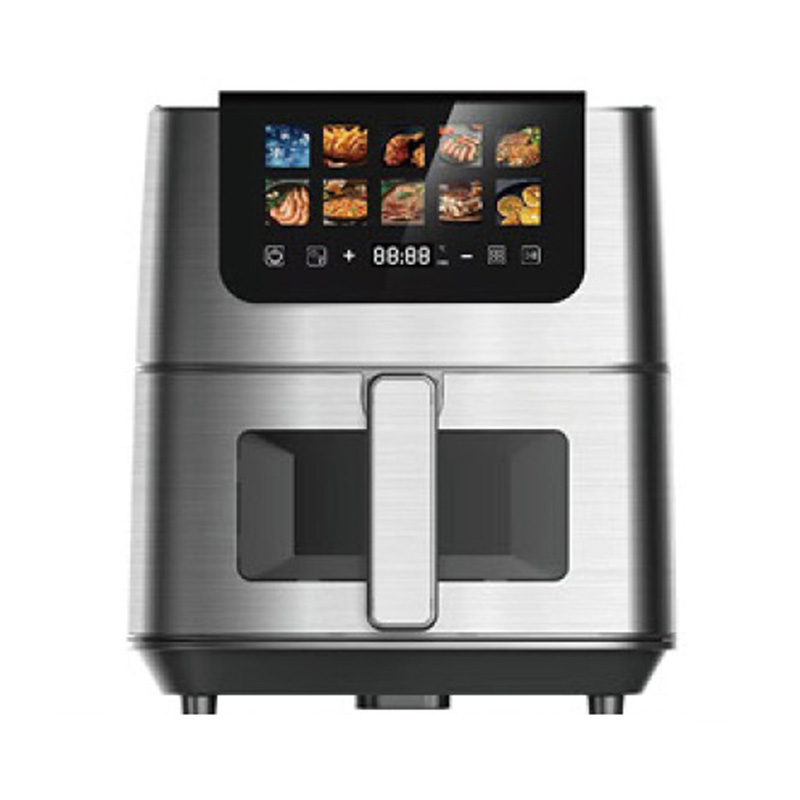
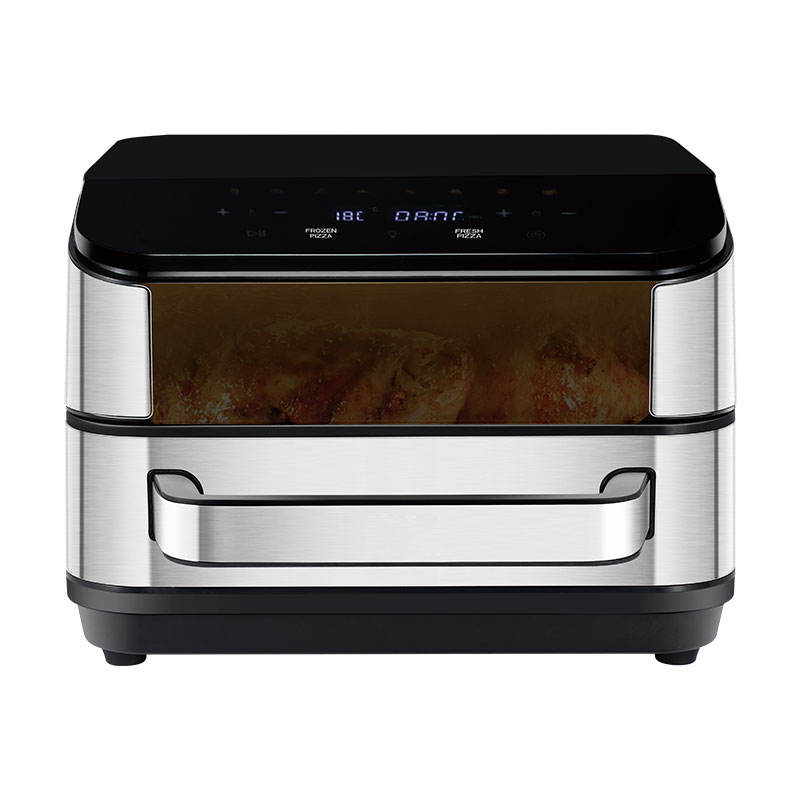
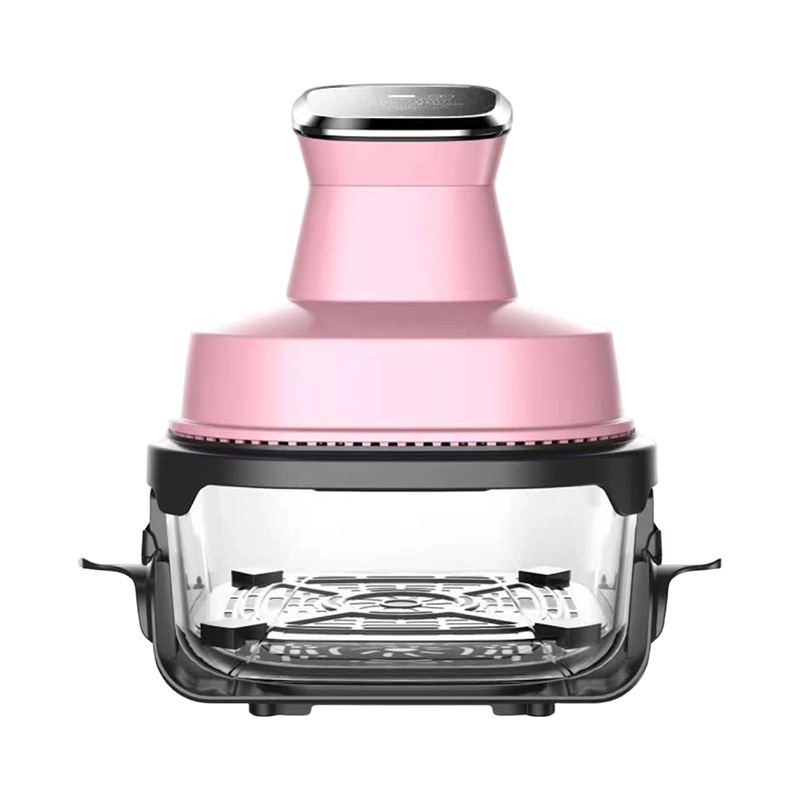
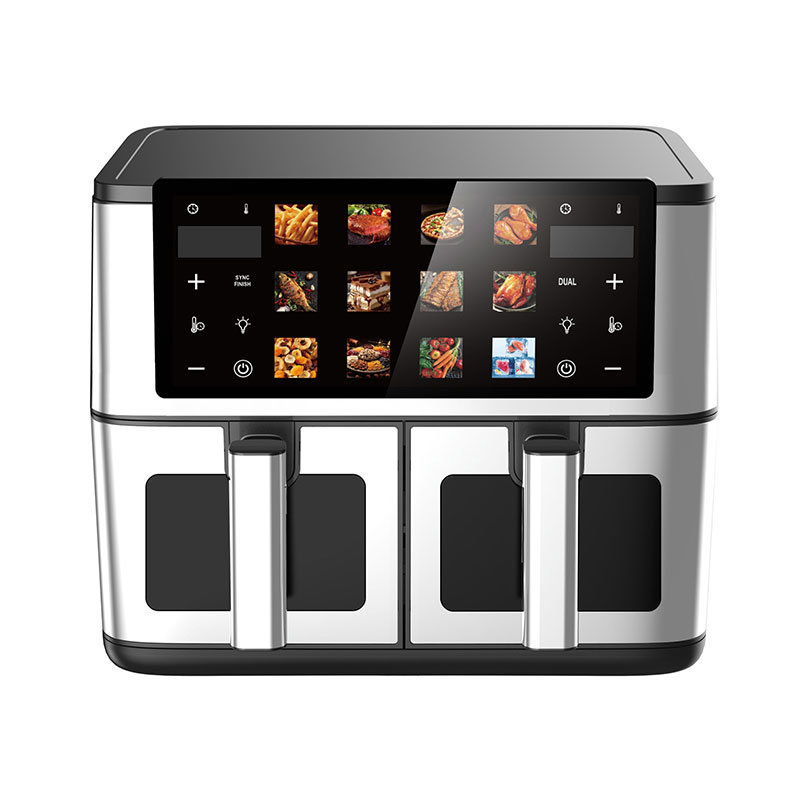
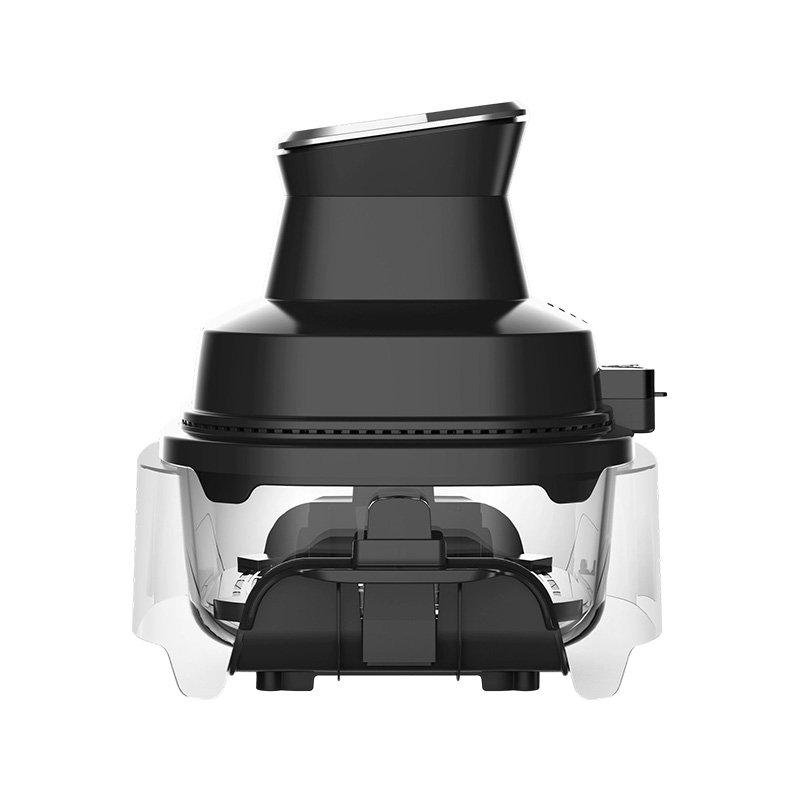
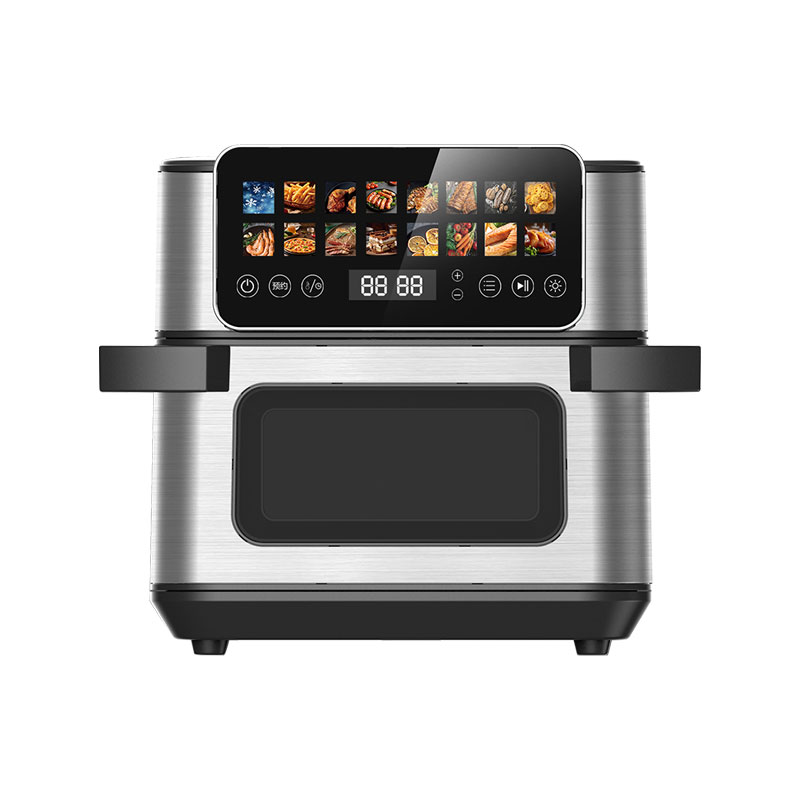
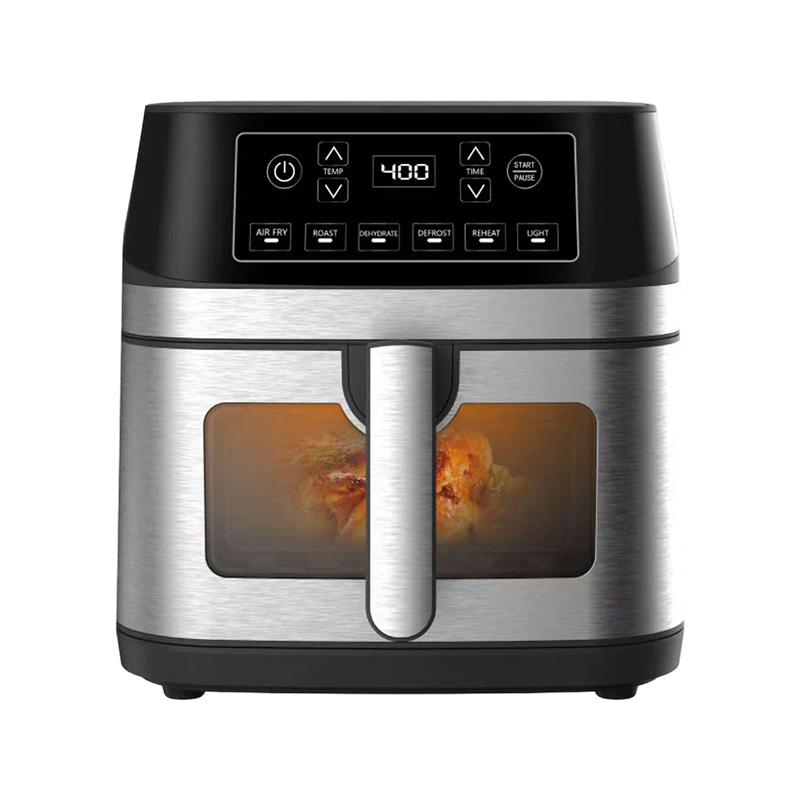
The GSE028 air fryer is a compact yet capable small kitchen appliance designed for households, retailers, hospitality buyers, and private-label customers seeking dependable everyday cooking performance. With a 4.0-litre capacity, 1,300-watt power rating, durable multi-material construction, and a practical countertop footprint, the appliance is positioned as a versatile solution for preparing fried-style foods with reduced reliance on traditional deep-frying methods.
Beyond its consumer-facing function, the GSE028 also represents the manufacturing capabilities of CIXI GSTAR ELECTRIC APPLIANCE CO., LTD., a Chinese producer specializing in small electric kitchen appliances. The company develops and manufactures air fryers, air ovens, blenders, slicers, choppers, food processors, hot pots, smokeless grills, and other products for household and commercial use. Its facilities, engineering resources, quality-control structure, product-development experience, and international market background support the production of appliances intended for demanding wholesale and distribution channels.
This article examines the GSE028 in detail, including its construction, electrical specifications, capacity, packaging, application range, competitive advantages, manufacturing process, quality considerations, and suitability for different purchasing programs. It also explains why a 4.0-litre air fryer can offer a useful balance between countertop efficiency and practical cooking volume.
Product Overview
The GSE028 is an air fryer with a nominal capacity of 4.0 litres and a rated power of 1,300 watts at 120 volts. Its size is approximately 33 x 27.8 x 31.2 centimetres, making it suitable for kitchens where counter space is valuable but where users still want more capacity than a very small personal air fryer can provide.
The product is built from PP, PA, ABS, and PC materials. Each material family can contribute different functional qualities in an appliance design. Polypropylene is commonly used for heat-resistant and lightweight components, while polyamide can support structural or heat-management requirements. ABS is widely used for rigid appliance housings and exterior components, and polycarbonate can be used where clarity, toughness, or impact resistance is important. The final performance of each part depends on its design, processing conditions, and intended location within the appliance.
The GSE028 is supplied as a household air fryer under item number GSE028. Its description is concise, but the specification profile communicates its central market position clearly: a compact electric cooking appliance with a moderate family-use capacity and a power level suitable for everyday preparation of common foods.
| Specification | GSE028 Details |
| Product type | Air fryer |
| Item number | GSE028 |
| Capacity | 4.0 litres |
| Rated power | 1,300 watts |
| Rated voltage | 120 volts |
| Frequency | 50–60 Hz |
| Main materials | PP, PA, ABS, and PC |
| Product dimensions | 33 x 27.8 x 31.2 centimetres |
| Giftbox dimensions | 33.6 x 28.4 x 31.8 centimetres |
| Carton dimensions | 58.3 x 35.1 x 33.6 centimetres |
| Carton quantity | 2 pieces per carton |
| Gross and net weight | 6.0 and 5.0 kilograms |
| Listed certifications | CE, CB, GS, RoHS, LFGB, and ETL |
Capacity and Everyday Use
A 4.0-litre air fryer occupies an important position between small personal models and larger family or commercial-style units. Smaller models may be convenient for one person, but they can require multiple cooking cycles when users prepare meals for several people. Larger models offer greater capacity but often require more storage space, a larger countertop area, and increased packaging volume. The GSE028 offers a middle-ground format intended to deliver useful cooking volume without becoming unnecessarily large.
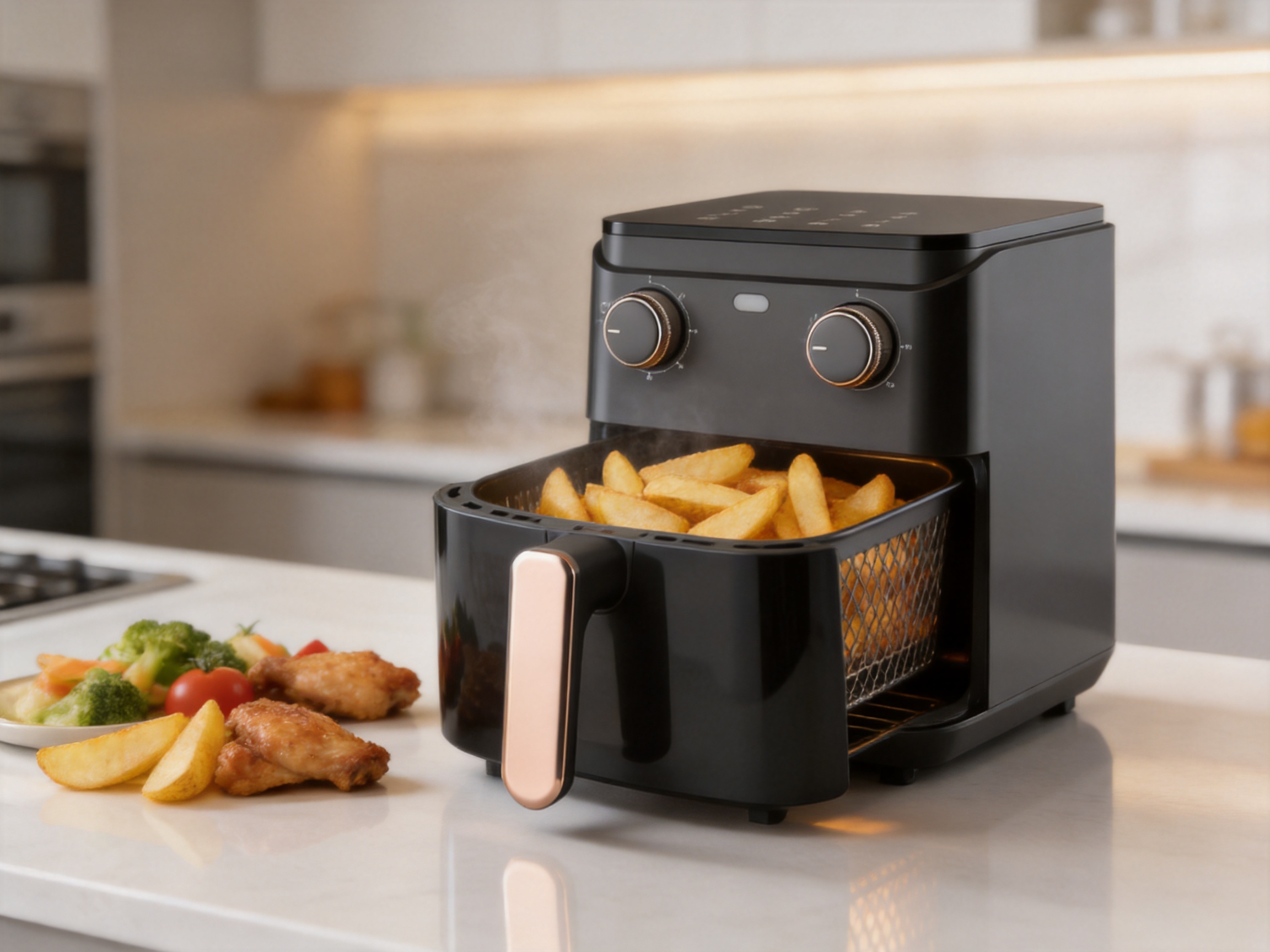
The capacity can be suitable for preparing portions of items such as potatoes, chicken pieces, vegetables, fish, snacks, and reheated foods. Actual portion size depends on the food type, arrangement, and desired cooking result. Foods that require air circulation should not be packed excessively tightly, so practical usable capacity may vary from the nominal internal volume.
For households, the GSE028 can support daily meal preparation, quick side dishes, snacks, and reheating. For students, renters, and small families, its size can provide a useful alternative to using a full-size oven for small portions. For offices, guest accommodation, and shared residential spaces, an air fryer can also offer an accessible way to prepare convenient foods without installing additional cooking equipment.
The appliance may also be attractive to retailers because the 4.0-litre format is easy for consumers to understand. Capacity is one of the most frequently considered air-fryer purchasing criteria, and a clearly stated 4.0-litre specification provides a straightforward product-positioning message. Retailers can present it as a compact family-oriented unit rather than an ultra-small personal model or a bulky high-capacity appliance.
Power, Heating, and Cooking Efficiency
The GSE028 is rated at 1,300 watts and 120 volts. This electrical configuration is relevant to markets using 120-volt household power systems. The listed 50–60 Hz frequency range provides compatibility with the corresponding supply frequency requirements, subject to final market approval, plug configuration, and applicable local regulations.
A 1,300-watt rating gives the appliance a practical heating level for its 4.0-litre capacity. In an air fryer, power must be considered together with cavity volume, airflow design, heating-element arrangement, temperature control, basket construction, and insulation. A higher wattage alone does not guarantee better cooking, but an appropriately matched power rating can support responsive heating and reasonable cooking times.
Compared with traditional deep frying, air frying can reduce the amount of cooking oil used in many recipes. It can also avoid the need to heat a large quantity of oil in an open pan or deep fryer. This may simplify preparation, reduce oil-handling requirements, and make cleanup more manageable. Consumers remain responsible for following appropriate cooking instructions, using suitable food quantities, and applying safe practices around hot surfaces and electrical appliances.
Compared with a large conventional oven, a 4.0-litre air fryer may require less time and energy for small portions because it heats a smaller cooking chamber. The advantage is especially relevant when preparing one or two servings. The most suitable appliance depends on the food quantity, recipe, cooking time, and local energy costs, but the GSE028 format is well aligned with the growing consumer preference for fast, portion-focused cooking.
For distributors, the product’s power rating also contributes to clear merchandising. The 1,300-watt specification is sufficiently prominent to communicate that the unit is designed for real cooking rather than merely warming or reheating. At the same time, the capacity and physical size keep it within the small-appliance category rather than moving it toward heavy commercial equipment.
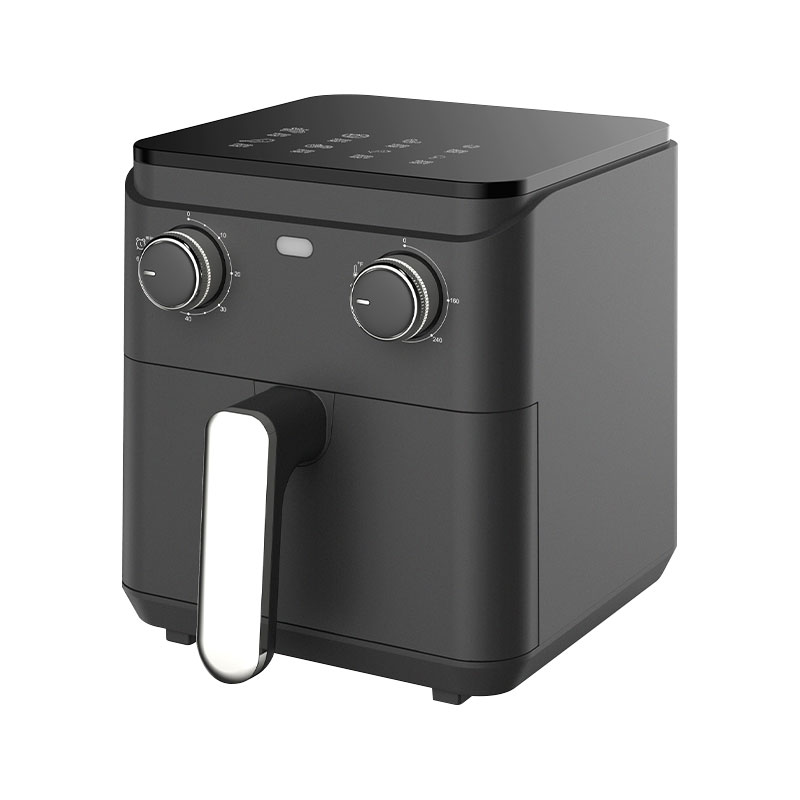
AIR FRYER GSE028
Material Selection and Product Construction
The GSE028 uses PP, PA, ABS, and PC in its construction. A multi-material approach allows product engineers to assign different materials to different functional requirements rather than relying on a single plastic throughout the appliance. This can help balance weight, rigidity, appearance, heat resistance, electrical insulation, impact performance, and manufacturing efficiency.
Polypropylene is frequently selected for components that require a combination of low weight, chemical resistance, and suitability for molded parts. Polyamide can offer strength and dimensional performance in appropriate applications. ABS is often used for external housings because it can provide a rigid surface with good appearance and impact resistance. Polycarbonate is known for toughness and clarity in suitable grades and applications. The exact grade, wall thickness, geometry, and processing conditions should be confirmed through the manufacturer’s technical documentation for each component.
Material selection is especially important in an air fryer because the appliance combines heat, electrical power, moving air, food contact, and repeated consumer handling. Components must be designed for their operating environment. Parts near heat sources require suitable thermal performance, while exterior parts need to remain comfortable and safe to handle under normal use. Food-contact components must be evaluated according to the applicable regulatory requirements for the destination market.
The listed LFGB certification is particularly relevant to food-contact compliance in certain markets, while RoHS addresses restrictions on specific hazardous substances in electrical and electronic products. CE, CB, GS, and ETL references indicate that the product is associated with several recognized safety and conformity systems. Certification scope, test reports, marks, and market applicability should always be verified for the exact production version and destination country before commercial launch.
Design Advantages Over Smaller and Larger Alternatives
Balanced countertop footprint
The GSE028 measures approximately 33 centimetres wide, 27.8 centimetres deep, and 31.2 centimetres high. This footprint is compact enough for many domestic kitchens while offering more usable volume than very small air fryers. Buyers can evaluate the dimensions against their available counter, cabinet, and storage space before ordering.
The height is an important consideration because air fryers often require clearance around ventilation areas and access to the basket or cooking chamber. A distributor can support customer satisfaction by clearly communicating the full product dimensions and recommending that users leave suitable space around the appliance in accordance with the instruction manual.
Useful 4.0-litre capacity
Very small air fryers may be attractive because of their low purchase price and small footprint, but they can be limiting for meals that require multiple portions. The GSE028’s 4.0-litre capacity offers a more practical middle range. It can appeal to customers who want everyday versatility without paying for or storing a much larger appliance.
Appropriate power-to-capacity relationship
The 1,300-watt rating is matched with a moderate 4.0-litre capacity. This relationship helps position the product as a capable household appliance rather than a low-powered novelty item. Consumers can use it for a broad range of foods, although they should follow recommended temperatures, cooking times, and loading instructions for each recipe.
Internationally relevant compliance profile
The product information lists CE, CB, GS, RoHS, LFGB, and ETL certifications. A broad certification profile can be valuable to importers and distributors because it indicates that the manufacturer has experience addressing multiple compliance frameworks. Certification requirements differ by country and product version, so buyers should request current documentation and confirm whether the listed approvals cover their intended market.
Efficient wholesale packaging configuration
The GSE028 is packed at two pieces per carton, with a carton size of approximately 58.3 x 35.1 x 33.6 centimetres. This relatively low carton quantity can help protect a larger countertop appliance during transportation and handling. It also makes inventory planning straightforward for distributors ordering in multiples of two.
The individual giftbox measures approximately 33.6 x 28.4 x 31.8 centimetres, which closely corresponds to the product dimensions. Retail packaging that remains relatively close to the appliance size can help control unnecessary packaging volume, although final packaging performance depends on internal protection, inserts, corrugated-board specifications, drop testing, and shipping conditions.
Manufacturing Capabilities of CIXI GSTAR ELECTRIC APPLIANCE CO., LTD.
CIXI GSTAR ELECTRIC APPLIANCE CO., LTD. has developed from a trading and product-sourcing background into a manufacturer with its own product-development and production capabilities. The company’s history includes experience with household goods, TV shopping products, innovative kitchen tools, and later electric appliances. This progression is important because it combines market understanding with manufacturing and engineering development.
The company reports a wholly owned plant in Cixi, Ningbo, China. Its facility information describes a production area of approximately 15,000 square metres and a broader building area reported at approximately 18,000 square metres in one account. The company also states that it has more than 200 experienced workers. Earlier company information refers to a workforce of approximately 150 workers, 10 engineers in the research and development department, and 10 personnel in quality control. These figures may reflect different reporting periods or facility stages, so buyers should confirm current staffing and capacity during supplier qualification.
Regardless of the precise current headcount, the company’s structure indicates a manufacturing organization with dedicated engineering and quality functions rather than a purely trading operation. This distinction can be important for customers seeking product customization, packaging coordination, technical communication, production follow-up, and long-term supply support.
The manufacturer’s product portfolio includes blenders, slicers, choppers, food processors, smokeless grills, hot pots, air fryers, and air ovens. It also produces products for bars, restaurants, and hotels, including ice buckets, beverage dispensers, pitchers, slicers, and graters. A portfolio spanning household and hospitality products can give the engineering team experience with different usage environments, user expectations, and product formats.
Product Development and Engineering Strength
Air fryers require coordination between mechanical design, thermal performance, electrical safety, material selection, user experience, and appearance. The company’s stated engineering resources support the development of products in which these disciplines must work together. A successful air fryer is not defined only by its outer housing. It must also accommodate heating components, airflow paths, controls, food-contact parts, structural supports, insulation, and packaging requirements.
GSTAR describes itself as an engineering partner that works closely with customers to meet product demands and requirements. For private-label and wholesale buyers, this can be useful when adapting product color, exterior finish, packaging artwork, plug type, labeling, manuals, certification files, or market-specific documentation. The feasibility of each modification depends on order quantity, tooling, component availability, regulatory requirements, and production timing.
The company’s earlier experience in designing non-electric innovative products also contributes to its development background. Products such as spiralizer drum graters, iced pitchers, and iced bowls required attention to ergonomics, practical use, tooling, materials, and mass-market appeal. That experience can support the development of electric appliances where user convenience and product differentiation are equally important.
The company reports that a 3-in-1 food processor achieved substantial sales in Korean and Southeast Asian markets, and that its air ovens and air fryers have been widely sold, particularly in Europe and South America. These market experiences suggest familiarity with international customer expectations. However, every buyer should independently evaluate current product quality, compliance documentation, capacity, lead time, and after-sales procedures for the specific GSE028 order.
Manufacturing Process for a Small Electric Air Fryer
The production of an air fryer typically involves multiple controlled stages. The exact process used for the GSE028 should be confirmed through the manufacturer’s factory documentation, but a professional manufacturing workflow generally begins with product engineering and bill-of-materials management.
Engineering review and bill of materials
Before production, engineers review the product drawings, material specifications, electrical ratings, component requirements, packaging structure, and assembly instructions. The bill of materials identifies the housing parts, heating system, electrical controls, wiring, fasteners, basket or cooking container, labels, packaging materials, and accessories.
For an international order, the engineering review also needs to consider voltage, frequency, plug configuration, power-cord requirements, markings, user manuals, carton labels, and target-market standards. A change from one electrical market to another may involve more than changing the plug. It can affect heating components, wiring, thermal protection, control parts, test procedures, and certification files.
Plastic component production
The PP, PA, ABS, and PC components are generally produced through injection molding or another suitable plastic-processing method. Mold design influences part appearance, dimensional consistency, strength, assembly fit, and production efficiency. Important process controls can include material drying where required, melt temperature, injection pressure, cooling time, mold temperature, cycle time, and visual inspection.
Quality checks for molded components may include checking for flash, sink marks, warpage, discoloration, short shots, cracks, surface defects, incorrect dimensions, and weak snap-fit features. Consistent molding is important because housing misalignment can affect assembly quality, appearance, noise, and the user’s perception of the product.
Electrical and heating-system assembly
The heating and control system must be assembled according to the approved electrical design. This stage can include installation of the heating element, fan or airflow-related components, thermal protection devices, wiring, switches or controls, connectors, insulation materials, and other electrical parts. Correct routing and securing of wires are essential to prevent interference with hot components, moving parts, or sharp edges.
Electrical assembly should be supported by process instructions and inspection points. Depending on the production design and applicable standards, testing may include continuity, insulation resistance, dielectric strength, grounding, leakage current, power consumption, functional operation, and abnormal-condition evaluation. The final test plan should be based on the product’s certification requirements and the destination market.
Mechanical assembly
After the major components are prepared, the housing, cooking chamber, basket system, handle, control elements, protective parts, and other assemblies are joined. Assembly consistency affects the fit of the cooking container, stability of the product, exterior gaps, control operation, and user safety.
Torque control may be relevant for screws and fasteners. Visual inspection can identify loose parts, uneven gaps, damaged surfaces, incorrect labels, or assembly errors. Functional inspection can confirm that the appliance starts correctly, responds to its control settings, and operates without abnormal noise or vibration.
Safety and performance testing
Air fryers operate at elevated temperatures and therefore require safety testing in addition to ordinary functional testing. A quality program may include temperature measurements at selected locations, heating performance, timer operation, thermal cut-off behavior, basket fit, handle strength, stability, and resistance to repeated use. Packaging tests may also be used to assess the product’s ability to withstand transportation.
Manufacturers and importers should maintain traceability for inspection results, production batches, component changes, corrective actions, and certification records. This becomes particularly important for international distribution, where documentation may be required by retailers, customs authorities, certification bodies, or market-surveillance organizations.
Final inspection and packing
Final inspection typically combines appearance checks, accessory verification, label confirmation, functional testing, and packaging review. Each unit should be packed with the appropriate protective materials, giftbox, manual, labels, and accessories. Carton packing at two units per carton can simplify counting and reduce the risk of overloading the shipping box.
Quality Control and Supplier Reliability
GSTAR reports a dedicated quality-control team in its company information. A quality department can contribute to incoming-material inspection, first-article approval, in-process inspection, final product testing, packaging checks, and shipment release. The value of this structure depends on the actual procedures, equipment, personnel competence, records, and corrective-action system used at the factory.
For buyers, supplier reliability should be evaluated through a structured qualification process. This may include reviewing the factory profile, business license, certification files, product test reports, production capacity, sample quality, quality-control plan, complaint-handling process, and references where available. A pre-production sample should be approved before mass production, particularly when the order includes custom packaging or market-specific electrical requirements.
During production, buyers may choose to use first-party or independent inspections. A typical inspection can assess product appearance, dimensions, power rating, accessories, labels, packaging, workmanship, and basic function. For larger orders, inspection at different production stages can help identify problems earlier than a single final inspection.
Quality consistency is especially important for air fryers because consumers interact with the appliance frequently and expect simple, repeatable operation. Problems such as loose handles, uneven housing gaps, unusual noise, damaged coatings, missing manuals, or incorrect power plugs can lead to returns even when the product still heats. A thorough production and packing process protects both the user experience and the distributor’s reputation.
Compliance and International Market Considerations
The listed certifications for the GSE028 include CE, CB, GS, RoHS, LFGB, and ETL. These references cover different aspects of product safety, market access, materials, and food-contact considerations. They should not be interpreted as a universal approval for every country or every product variation. Certification marks and reports are tied to specific models, electrical configurations, factories, components, and standards editions.
CE marking generally relates to applicable European Union conformity requirements, while CB reports can support the international exchange of safety-test results within participating certification systems. GS is associated with tested safety in the German market, and ETL is a recognized North American certification mark. RoHS concerns restricted substances in electrical and electronic equipment. LFGB is commonly associated with food-contact material requirements in Germany and related markets.
Importers should request copies of the current certificates, test reports, declarations, and technical files relevant to their destination. They should also verify whether the 120-volt, 1,300-watt version is the same configuration that was tested. Plug type, power cord, control system, heating element, and food-contact parts can affect compliance.
Product labeling should communicate the model number, electrical rating, manufacturer or responsible-party information where required, certification marks, warnings, batch information, and disposal symbols. Manuals should include operation, cleaning, food-safety, electrical-safety, ventilation, and maintenance instructions. Clear documentation reduces misuse and supports customer service after the product reaches the market.
Packaging, Logistics, and Wholesale Planning
The GSE028 has a giftbox size of approximately 33.6 x 28.4 x 31.8 centimetres. Two giftboxed units are packed into a carton measuring approximately 58.3 x 35.1 x 33.6 centimetres. The gross carton weight is listed at 6.0 kilograms, while the net weight is listed at 5.0 kilograms. These figures provide a starting point for freight estimation, warehousing, and shipping-plan calculations.
The stated container-loading quantity is 2,068 pieces per 40HQ container. Container loading figures can vary according to palletization, loading method, final carton dimensions, shipping restrictions, and whether additional protective materials are used. Buyers should confirm the final loading plan against the approved production packaging before booking freight.
| Logistics Item | Reported Information | Planning Relevance |
| Giftbox size | 33.6 x 28.4 x 31.8 cm | Retail storage and individual shipment planning |
| Carton size | 58.3 x 35.1 x 33.6 cm | Warehouse and freight-volume calculations |
| Packing quantity | 2 pieces per carton | Order multiples and carton counting |
| Gross/net weight | 6.0 / 5.0 kg | Freight and handling estimates |
| 40HQ loading reference | 2,068 pieces | Preliminary container planning |
The two-piece carton configuration can be advantageous for products with a relatively substantial retail package. It may help limit excessive stacking pressure and make manual handling easier than a carton containing many heavier units. Distributors should still confirm carton compression strength, internal protection, pallet stability, and drop-test performance for their shipping routes.
For e-commerce distribution, the giftbox should be evaluated for resistance to parcel-handling conditions. Retail-store distribution and container shipment may involve different risks from direct-to-consumer shipping. Additional outer packaging, corner protection, or fulfillment-specific packing may be required depending on the sales channel.
Applications and Target Customers
The primary market for the GSE028 is the household kitchen appliance sector. It can be offered through appliance retailers, department stores, supermarkets, online marketplaces, home-goods distributors, and private-label programs. Its moderate capacity and 120-volt configuration make it particularly relevant to markets where this electrical system is standard.
The product may also suit hospitality-related applications such as guest apartments, serviced accommodation, staff kitchens, small offices, and compact food-preparation areas. Commercial users should confirm whether the appliance is approved for their intended duty cycle. A household air fryer should not automatically be treated as commercial equipment merely because it can prepare food in a hospitality environment.
Retailers can position the GSE028 around several consumer benefits: convenient portion cooking, reduced dependence on a full-size oven for small meals, a moderate footprint, a 4.0-litre capacity, and the flexibility to prepare different food categories. Marketing claims should remain consistent with verified product performance and applicable advertising rules.
Private-label customers may find the product useful when they need an established appliance platform that can be supported with customized branding and packaging. The company’s experience with international customers and multiple product categories can support discussions around artwork, color, manuals, packaging configuration, and market-specific requirements. Customization terms, minimum order quantities, tooling responsibilities, and lead times should be agreed in writing.
Why the GSE028 Is Competitive
The strongest competitive feature of the GSE028 is its balance. It is not presented as the smallest possible air fryer, nor as an oversized multi-basket appliance. Instead, it combines a 4.0-litre capacity with a 1,300-watt power rating and a moderate exterior size. This can help it address the broad market of consumers who want meaningful cooking capacity without dedicating excessive space to the appliance.
Its material platform is another advantage. PP, PA, ABS, and PC provide a basis for designing separate components according to structural, thermal, appearance, and handling requirements. A thoughtfully engineered multi-material construction can be more effective than a one-material approach when an appliance includes both hot and cool zones, structural housings, controls, and food-contact parts.
The company’s product range is also relevant. A manufacturer that already works with blenders, choppers, food processors, grills, hot pots, air ovens, and air fryers can understand the broader small-appliance category. This can support component sourcing, product benchmarking, packaging development, and customer communication.
Another competitive strength is the manufacturer’s stated focus on design, development, and innovation. The company began with innovative non-electric products before expanding its electric-appliance activities. Its history of supplying international markets and major retail channels indicates experience with volume production and commercial requirements, although prospective buyers should verify current references and performance independently.
Finally, the product’s certification profile and documented logistics information can simplify early-stage sourcing. Buyers have a defined model number, stated dimensions, packing quantity, weight, container-loading reference, and list of certifications with which to begin a procurement review. These details do not replace testing or factory audits, but they provide a practical foundation for the next stage of qualification.
Recommended Buyer Evaluation Process
A buyer considering the GSE028 should begin by confirming the target market and electrical configuration. The listed product is rated at 120 volts and 1,300 watts, with a 50–60 Hz frequency range. The buyer should verify plug style, local voltage tolerance, labeling rules, certification requirements, and any retailer-specific standards.
The next step should be sample evaluation. The sample should be checked for exterior appearance, dimensions, basket or cooking-container fit, handle strength, operating controls, heating behavior, noise, stability, ease of cleaning, and packaging quality. If the sample differs from the final production design, the differences should be recorded and approved before mass production.
Buyers should also review the complete technical file. This may include drawings, bill of materials, product specifications, user manual, certificate copies, test reports, declarations, food-contact documents, and quality-control procedures. Any material or component substitutions should require prior approval, especially for heating, electrical, insulation, and food-contact components.
Before shipment, the buyer should confirm carton markings, quantities, gross weight, loading arrangements, shipping documents, and inspection results. Clear communication at this stage reduces the risk of receiving products with incorrect labels, wrong plugs, incomplete accessories, or packaging that does not match the approved sample.
Care, Use, and Customer Support Considerations
Air-fryer performance and service life depend partly on correct use. Customers should place the appliance on a stable, heat-resistant surface, maintain appropriate ventilation clearance, avoid blocking air outlets, and use the product within the instructions provided by the manufacturer. The basket or cooking chamber should not be overloaded, and users should be cautious when handling hot food, steam, and exterior surfaces.
Cleaning instructions should distinguish between removable food-contact parts and the main electrical appliance body. The electrical housing should not be immersed in water. Food residue should be removed according to the manual, and abrasive tools or unsuitable chemicals should be avoided if they could damage surfaces or coatings.
Retailers and distributors should prepare basic customer-service information before launch. Useful support materials include operating instructions, cooking guidance, troubleshooting steps, warranty terms, spare-part information where available, and contact procedures. A clear after-sales system can improve the perceived value of the product and reduce unnecessary returns.
For private-label customers, customer support can be integrated into the brand’s own service structure. The manufacturer can provide technical information and production assistance, while the importer or brand owner manages local consumer communication. Responsibilities should be defined in the supply agreement to cover warranty evaluation, replacement parts, product complaints, and corrective actions.
Conclusion
The GSE028 4.0-litre air fryer is a practical small kitchen appliance that combines moderate capacity, 1,300-watt heating power, a 120-volt electrical configuration, and a compact countertop design. Its product positioning is strongest in the space between personal air fryers and larger family or commercial-style models. This balanced format can appeal to households, retailers, online sellers, hospitality buyers, and private-label customers.
The product’s PP, PA, ABS, and PC material platform supports a structured approach to housing and component design. Its listed CE, CB, GS, RoHS, LFGB, and ETL certifications provide a useful starting point for international sourcing, while exact certification coverage should be confirmed for every target market and production version.
CIXI GSTAR ELECTRIC APPLIANCE CO., LTD. adds value through its history in kitchen-product development, its portfolio of electric and non-electric appliances, its reported engineering and quality-control resources, and its own manufacturing facilities in Cixi, Ningbo. The company’s experience with international customers and retail-oriented products can be valuable for buyers seeking more than a standard trading relationship.
For the best commercial result, the GSE028 should be evaluated through samples, technical-document review, certification verification, production inspection, and packaging testing. When these steps are completed carefully, the product offers a credible combination of usability, capacity, logistics practicality, and manufacturer support for the competitive small electric kitchen-appliance market.
Questions and Answers
What is the capacity of the GSE028 air fryer?
The GSE028 has a stated capacity of 4.0 litres. This places it in a practical medium-capacity category suitable for individual meals, side dishes, snacks, and smaller family portions, depending on the food type and loading arrangement.
What are the electrical specifications?
The product is rated at 120 volts and 1,300 watts. Its listed frequency is 50–60 Hz. Buyers should confirm the exact plug, cord, labeling, and certification configuration required for the destination market.
What materials are used?
The listed materials are PP, PA, ABS, and PC. These materials may be assigned to different parts according to their structural, thermal, appearance, insulation, or handling requirements. The detailed component-level material specification should be confirmed with the manufacturer.
How large is the product?
The stated product size is approximately 33 x 27.8 x 31.2 centimetres. Users should also allow suitable clearance around the appliance for ventilation, operation, and safe handling.
How is the product packed for wholesale shipment?
The individual giftbox measures approximately 33.6 x 28.4 x 31.8 centimetres. Two units are packed in one carton, and the carton measures approximately 58.3 x 35.1 x 33.6 centimetres.
What is the listed container-loading quantity?
The supplied information lists 2,068 pieces per 40HQ container. The final quantity should be reconfirmed after packaging, palletization, and loading arrangements are finalized.
Which certifications are listed for the GSE028?
The listed certifications and compliance references are CE, CB, GS, RoHS, LFGB, and ETL. Certification documents should be reviewed to confirm the model, electrical version, applicable standards, validity, and destination-market coverage.
Is the GSE028 suitable for private-label programs?
The manufacturer states that it works closely with customers as an engineering partner and serves international markets. Private-label buyers should discuss branding, artwork, color, packaging, manuals, minimum order quantities, tooling, lead times, and compliance responsibilities before placing an order.
What makes this model competitive?
Its main advantages are the balanced 4.0-litre capacity, 1,300-watt power rating, moderate countertop dimensions, multi-material construction, international compliance profile, and support from a manufacturer focused on small kitchen appliances.
What should buyers verify before ordering?
Buyers should verify the final sample, electrical configuration, certification documentation, food-contact compliance, production capacity, quality-control plan, packaging strength, carton data, delivery schedule, warranty terms, and after-sales responsibilities.
References
CIXI GSTAR ELECTRIC APPLIANCE CO., LTD. Product specification information for Air Fryer GSE028.
CIXI GSTAR ELECTRIC APPLIANCE CO., LTD. Company profile and manufacturing capability information.
International Electrotechnical Commission. General principles for household and similar electrical appliance safety evaluation.
International Electrotechnical Commission. Guidance concerning international electrical equipment conformity assessment and certification systems.
European Union. General principles concerning CE conformity marking and market access for applicable products.
European Union. Restriction of Hazardous Substances requirements for electrical and electronic equipment.
General Product Safety principles for consumer appliances, packaging, labeling, and user instructions.
Food-contact material compliance principles applicable to cooking appliances and their food-contact components.