
 English
 中文简体
中文简体 Español
 English
 中文简体
中文简体 Español
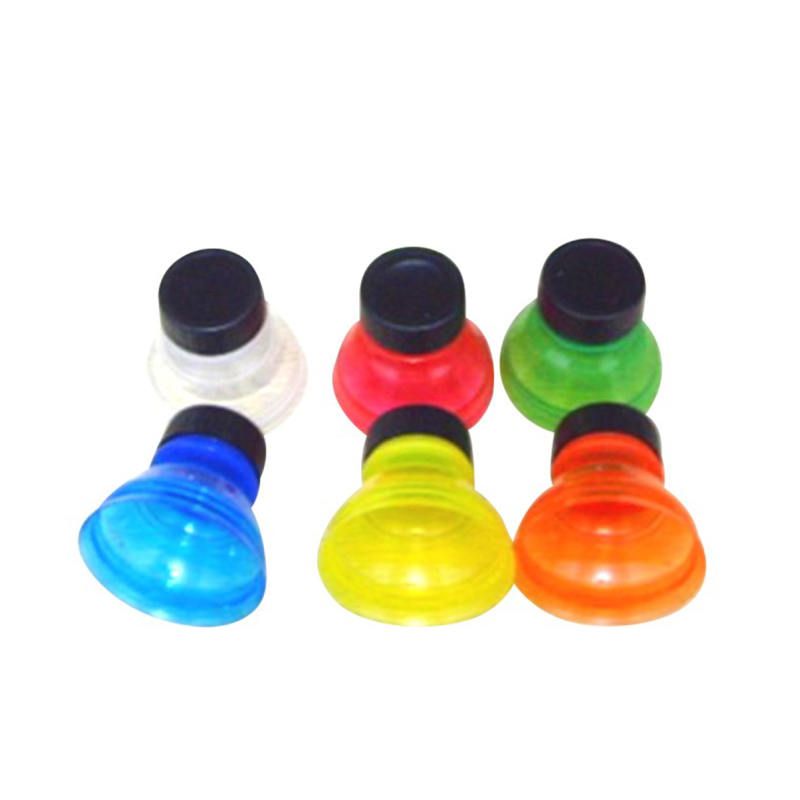
A cap for can may look simple, but in modern kitchens, restaurants, hotel pantries, outdoor dining settings, and retail household-goods aisles, small accessories often determine whether a product becomes truly useful in daily life. The GS071 cap for can is a practical kitchenware item designed to help cover opened cans, reduce exposure to dust and airborne particles, support cleaner storage, and make everyday serving more convenient. Made from PP material, packed efficiently, and supported by an experienced manufacturing organization, this cap is positioned as a cost-effective daily necessity for wholesalers, supermarkets, kitchenware distributors, promotional buyers, and household product brands.
The product belongs to the broader kitchenware and daily necessities category, while the manufacturer also has strong experience in small electric kitchen appliances and innovative household products. This background is important because companies that develop blenders, slicers, choppers, food processors, air fryers, air ovens, beverage dispensers, pitchers, graters, and other household items typically understand the realities of consumer kitchens. They know that a successful product must be easy to use, affordable, durable enough for repeated handling, efficient to pack, and simple for buyers to distribute at scale. The GS071 cap for can follows that same philosophy: a compact product with practical daily value.
In competitive kitchenware markets, consumers often compare small accessories by material safety, fit, durability, price, packaging efficiency, supplier reliability, and delivery capability. The GS071 cap for can is built around these priorities. Its PP construction offers lightweight performance and practical resistance for normal household use. Its carton specification is designed for efficient transportation. Its minimum order quantity and delivery schedule make it suitable for wholesale planning. Its simple design gives retailers a product that is easy to explain and easy to sell.
Product Overview
The GS071 cap for can is a PP kitchenware accessory intended for covering cans after opening. It is suitable for daily household storage, kitchen organization, picnic preparation, catering support, and general food-service convenience. For buyers, the product is attractive because it is not dependent on complicated electronics, seasonal trends, or high consumer education. It addresses a common situation: once a can has been opened, people often need a cleaner, more convenient way to cover it temporarily.
Many households use plastic wrap, foil, improvised lids, or plates to cover open cans. These methods can be wasteful, unstable, or inconvenient. A purpose-made cap provides a cleaner and more organized alternative. Because it is reusable, it can also reduce the need for disposable coverings in many ordinary usage scenarios. This practical value is especially important for supermarkets, discount stores, general merchandise chains, kitchenware importers, online sellers, and promotional gift programs.
The product’s simplicity is one of its strengths. In kitchenware, simple products often succeed when they solve a repeated problem without requiring instructions, batteries, assembly, or complex maintenance. A cap for can is intuitive: users place it on the can to cover the opening. This straightforward usability reduces after-sales confusion and improves customer acceptance.
| Item No. | GS071 |
| Product Name | Cap for can |
| Category | Kitchenware |
| Material | PP |
| Pcs/Carton | 24 pcs/carton |
| Carton Measurement | 47.6 x 35.6 x 17.6 cm |
| Net Weight | 1.7 kg |
| Gross Weight | 2.5 kg |
| 20 ft Container Quantity | 21,261 pcs |
| 40 ft HQ Container Quantity | 55,013 pcs |
| MOQ | 5,000 pcs |
| Delivery Time | 30 days |
Why a Can Cap Matters in Everyday Kitchens
Opened cans are common in kitchens around the world. People open canned beverages, canned ingredients, sauces, condiments, preserved fruits, beans, vegetables, and other food products, but they do not always consume everything immediately. Without a proper cover, the can may be exposed to dust, odors, insects, refrigerator smells, and accidental spills. A cap for can provides a simple physical barrier and helps users keep their kitchen area tidier.
For home users, the advantage is convenience. Instead of searching for foil or cling film, they can use a reusable cap. For restaurants and cafés, the advantage is organization. Staff can cover cans quickly during preparation or short-term storage. For outdoor activities, the advantage is portability. A lightweight PP cap can be packed with picnic supplies or camping kitchenware. For retailers, the advantage is broad appeal. The product can be sold to families, students, office pantries, food-service operators, and anyone who values kitchen order.
Small kitchen accessories also influence consumer perception of cleanliness. A covered can simply looks more organized than an exposed one. In open kitchens, shared refrigerators, dormitory settings, staff break rooms, and hospitality environments, this visual order has value. The GS071 cap for can helps turn an ordinary opened can into a more controlled storage item.
Material Advantage: Practical PP Construction
The GS071 cap for can is made from PP, a widely used plastic material in household goods and kitchenware. PP is valued because it is lightweight, moldable, cost-effective, and suitable for many practical daily-use products. In a can cap, these characteristics are important. The cap must be light enough for easy handling, stable enough to maintain its shape in ordinary use, and economical enough for mass-market distribution.
Compared with some low-grade plastics used in cheap kitchen accessories, properly selected PP can provide a better balance of flexibility and rigidity. A cap must not feel overly brittle, but it also must not deform too easily. The correct material choice helps improve the user experience during repeated placement and removal. It also supports consistent production through injection molding, which is essential for maintaining shape and dimensional reliability across large orders.
Another advantage of PP is its suitability for colorful, clean-looking consumer products. Depending on buyer requirements, PP items can often be produced in different colors or packaging concepts, subject to tooling, order quantity, and production arrangements. This gives wholesalers and retailers the possibility of matching the product to private-label programs, kitchenware sets, seasonal promotions, or value-pack concepts.
In addition, PP is commonly chosen for reusable household articles because it is relatively easy to clean under normal conditions. A cap for can should be convenient to rinse and store. Consumers do not want a product that creates more work than it saves. The lightweight PP design helps keep the product practical and accessible for frequent use.
Competitive Advantages Over Ordinary Alternatives
In the market, the GS071 cap for can competes not only with other plastic can caps but also with improvised solutions such as plastic wrap, aluminum foil, silicone sheets, saucers, disposable covers, and unbranded low-cost lids. Its advantages can be understood from the perspectives of usability, repeatability, cost efficiency, packing efficiency, and supply reliability.
Reusable Convenience
Disposable coverings can be convenient for one-time use, but they increase recurring household consumption. A reusable PP cap gives consumers a dedicated solution that can be used repeatedly. For many shoppers, this makes the item feel economical. Instead of tearing a new piece of film or foil each time, users can simply place the cap on the can, remove it later, wash it as needed, and use it again.
Cleaner Appearance
Improvised covers often look messy. Plastic film may wrinkle. Foil may tear. A plate placed over a can may slide or take up extra space. A purpose-designed cap gives a cleaner appearance in the refrigerator, pantry, or food-preparation area. This visual advantage may seem small, but in household products, neatness is a strong selling point.
Lightweight and Easy to Store
The cap is compact and lightweight. This makes it easy for consumers to keep several pieces in a drawer or kitchen storage box. For retailers and importers, lightweight goods reduce handling difficulty and support efficient shipment planning. The carton dimensions and weight indicate a product that can be moved, stocked, and displayed without heavy logistics burden.
Cost-Effective Mass-Market Appeal
Some competing solutions, such as premium silicone covers or complex multi-size lid sets, may be too expensive for value-oriented retail channels. The GS071 cap for can offers a more straightforward cost-performance proposition. It is simple, practical, and suited for bulk sales. This makes it attractive for supermarkets, discount stores, wholesale clubs, promotional distributors, and online sellers seeking practical household products at scalable quantities.
Lower Consumer Education Required
Many kitchen gadgets require demonstrations. A can cap does not. Its function is visible and instantly understandable. This improves retail efficiency because the product can sell through packaging, simple labeling, or display without lengthy explanation. For buyers, products that are easy to understand often carry lower marketing risk.
Manufacturing Strength Behind the Product
The product is supported by CIXI GSTAR ELECTRIC APPLIANCE CO., LTD., a manufacturer based in Cixi, Ningbo, China. The company designs, develops, and manufactures a wide range of small electric kitchen appliances and practical household products. Its product background includes blenders, slicers, choppers, food processors, smokeless grills, hot pots, air fryers, air ovens, ice buckets, beverage dispensers, pitchers, slicers, graters, and other products for households, bars, restaurants, and hotels.
This broad experience matters for a small item such as a cap for can. A manufacturer that works with both electric appliances and daily necessities is accustomed to product development discipline, production planning, tooling management, inspection, carton packing, export documentation, and international customer requirements. Even simple products benefit from mature manufacturing systems. Shape consistency, material control, clean finishing, and reliable packing all require process management.
The company’s development history also shows a strong focus on innovation and export-oriented product design. It began by working with household items and TV shopping products, then expanded into factory-based development and manufacturing. Over time, it built experience supplying supermarkets and international retail channels. This background supports a product philosophy centered on high-quality innovative products, competitive pricing, quick delivery, and after-sales service.
Factory Scale and Workforce
The company operates a wholly owned plant with a substantial production area and an experienced workforce. A larger production environment can support more stable order fulfillment, especially for buyers that require thousands or tens of thousands of pieces. For the GS071 cap for can, the listed MOQ is 5,000 pieces, and the delivery time is 30 days. These figures are meaningful for importers and distributors because they help with purchasing schedules, container planning, and retail launch timing.
A factory with experienced workers and dedicated teams can better manage repeat orders, inspection procedures, and packaging consistency. For kitchenware buyers, consistency matters. The first shipment must match the approved sample, and subsequent shipments must remain stable. Mature workforce training and production supervision help reduce the variation that often appears in low-cost commodity products.
Engineering and R&D Support
The manufacturer has R&D personnel with experience developing both electric and non-electric kitchen products. This is valuable because even a simple cap may require attention to size, curvature, edge comfort, grip feel, stackability, mold structure, material flow, and production efficiency. A product that looks simple on a retail shelf may require careful design to manufacture consistently at scale.
Engineering support also benefits custom programs. Buyers may request different packaging, colors, labeling, assortments, or retail display formats. A capable R&D and production team can evaluate feasibility, coordinate samples, and adjust production plans. This flexibility can help distributors differentiate their offering from competitors selling generic, unoptimized kitchenware.
Quality Control Capability
Quality control is essential for kitchenware accessories because small defects can affect customer satisfaction. A cap should have smooth edges, stable dimensions, consistent color, and acceptable surface finish. It should be free from obvious warping, cracks, sharp burrs, contamination, or packing damage. The manufacturer’s QC resources help inspect production and reduce the chance of unsuitable goods reaching the buyer.
Quality control for this kind of product may include incoming material checks, first-article inspection, dimensional confirmation, appearance inspection, functional fitting checks, packing verification, carton marking review, and final random inspection. These procedures are especially important for export orders because problems discovered after arrival can be costly to resolve.
Advanced Manufacturing Processes
The GS071 cap for can is well suited to efficient plastic production methods, particularly injection molding. Injection molding allows PP material to be heated, injected into a mold cavity, cooled, and ejected as a finished or semi-finished part. For high-volume kitchenware items, this process offers repeatability, speed, and consistent shape reproduction.
Material Selection and Preparation
The process begins with selecting appropriate PP material according to product requirements. Material properties influence flexibility, rigidity, surface appearance, shrinkage, and long-term user satisfaction. Before molding, the material must be handled properly to avoid contamination and inconsistency. Clean material handling contributes to a cleaner finished product and reduces defects such as discoloration, black spots, or weak areas.
Mold Design and Tooling Precision
Mold quality is central to the success of any plastic part. A well-designed mold supports accurate dimensions, stable part release, consistent wall thickness, and smooth finishing. For a can cap, the mold must support the shape required for practical covering performance. If the mold is poorly designed, the cap may warp, have rough edges, or vary from batch to batch. Tooling precision therefore becomes a competitive advantage.
The manufacturer’s broader experience with kitchen appliances and household products strengthens its tooling perspective. Products such as choppers, food processors, pitchers, graters, and appliance housings require attention to plastic part structure. That accumulated know-how can be applied to simpler daily necessities, producing a cap that is easier to manufacture reliably.
Injection Molding Control
During injection molding, machine settings must be controlled carefully. Temperature, pressure, injection speed, cooling time, and cycle time all influence the finished product. If cooling is uneven, warpage may occur. If pressure is inappropriate, the part may have sink marks or incomplete filling. If cycle control is unstable, dimensions can vary. Skilled production teams monitor these parameters to maintain stable output.
For wholesale buyers, process control reduces the risk of receiving inconsistent goods. A carton should not contain some caps that fit well and others that feel distorted. Consistency is one of the clearest differences between professional manufacturing and low-grade commodity production.
Edge Finishing and Appearance Review
After molding, plastic parts may require inspection and minor finishing. A cap for can should be comfortable to touch and easy to handle. Sharp edges or visible burrs can reduce consumer satisfaction. Appearance review ensures that the product looks presentable on the shelf and performs properly in use. For retail kitchenware, appearance is not only cosmetic; it signals reliability.
Packing and Carton Management
The product is packed at 24 pieces per carton, with a carton measurement of 47.6 x 35.6 x 17.6 cm. Net weight is 1.7 kg and gross weight is 2.5 kg. These specifications suggest easy manual handling and efficient warehouse movement. Proper packing protects the product during transport, supports counting accuracy, and improves inventory management.
Carton management also affects export efficiency. Buyers need consistent carton sizes, predictable weight, and accurate quantity information for freight calculation, container loading, and customs documentation. The listed loading quantities of 21,261 pieces for a 20 ft container and 55,013 pieces for a 40 ft HQ container help buyers estimate shipment economics.
Design Simplicity as a Strategic Advantage
The best daily-use products often have one clear function and perform it well. The GS071 cap for can is not overloaded with unnecessary parts. It does not require complicated assembly. It does not depend on electronics. It does not require a special storage case. Its role is direct: cover a can conveniently. This simplicity makes the product robust from a business perspective.
Simple products are less likely to fail because they have fewer failure points. They are also easier to inspect, easier to pack, easier to explain, and easier to include in retail assortments. For private-label buyers, this can lower overall project complexity. For distributors, it can help achieve fast sell-through because the consumer immediately recognizes the purpose.
Competitors sometimes try to differentiate with overly complex designs, multi-part mechanisms, or premium materials that raise the retail price. While those products can serve certain niches, the mass market often rewards practical affordability. The GS071 cap for can provides a balance between function and cost, making it a logical choice for broad distribution.

Applications and Market Potential
Home Kitchens
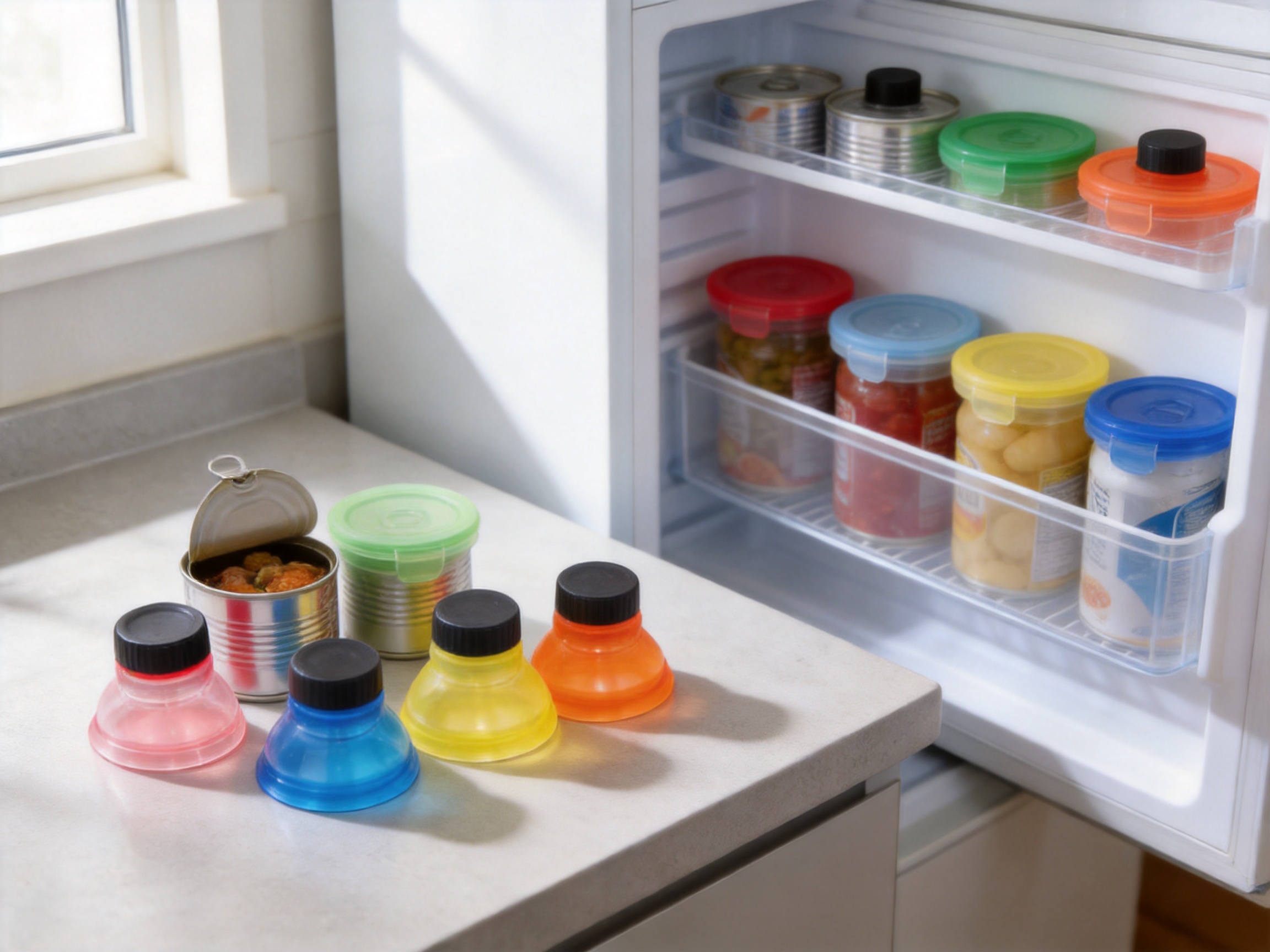
In home kitchens, the cap can be used after opening a can during meal preparation. It helps maintain a cleaner refrigerator or countertop environment and reduces reliance on temporary covers. Families that cook frequently may appreciate having several caps available for different ingredients or beverages.
Restaurants, Cafés, and Catering
Food-service environments often require quick organization. Staff may open multiple cans during preparation and need a simple covering solution before ingredients are fully used. A lightweight cap can support short-term organization and reduce mess. For cafés, beverage bars, small restaurants, and catering teams, the product can become part of practical back-of-house kitchenware.
Hotels and Hospitality
Hotels, serviced apartments, guest kitchens, staff cafeterias, and hospitality supply programs often need small, affordable, practical items. A cap for can fits this category well. It is easy to store, easy to distribute, and useful in many pantry settings.
Outdoor and Travel Use
Picnics, camping, barbecues, fishing trips, and outdoor parties often involve canned drinks or canned ingredients. A cap can help protect open cans from dust or insects during temporary use. Because the product is lightweight, it is easy to include in travel kitchenware sets or outdoor dining kits.
Retail and Promotional Programs
For retailers, the product can be sold as a standalone kitchen accessory, bundled with other storage items, included in value packs, or offered as a promotional gift. Its MOQ of 5,000 pieces makes it suitable for campaign-based purchasing. Because the product is practical and low-cost, it can support impulse purchases near kitchenware, storage products, canned goods, picnic supplies, or household essentials.
How the Product Supports Cleaner Storage
One of the main selling points of a can cap is cleaner storage. When an opened can is left uncovered, it can collect dust or absorb surrounding odors. In a refrigerator, strong-smelling foods can influence the smell of open containers. A cap helps create a basic barrier. While it should not be presented as a substitute for proper food safety practices or long-term sealed storage, it is useful for short-term covering and general organization.
Consumers should still follow appropriate food handling guidelines. Some foods may need to be transferred to separate containers after opening, depending on the food type and storage duration. However, for many ordinary situations where temporary covering is needed, a cap is more convenient than leaving a can exposed. Honest positioning is important: the product is a practical kitchen aid, not a universal preservation device.
This balanced message can be used effectively in retail packaging. Claims should focus on convenience, cleanliness, organization, and reusability rather than exaggerated preservation promises. Buyers who market the product responsibly can build trust with consumers and reduce complaints.
Packaging and Logistics Benefits
From a purchasing perspective, logistics can determine whether a product is profitable. The GS071 cap for can has compact carton dimensions and relatively low weight. A carton measurement of 47.6 x 35.6 x 17.6 cm, combined with 24 pieces per carton, supports manageable handling in warehouses and retail distribution centers. A gross weight of 2.5 kg per carton reduces labor strain and makes carton-level movement easy.
The container loading data is also helpful. A 20 ft container can hold approximately 21,261 pieces, while a 40 ft HQ container can hold approximately 55,013 pieces. These figures allow buyers to plan landed cost, freight allocation, sales volume, and warehouse space. For importers managing mixed shipments, the product can be combined with other kitchenware or household items to improve container utilization.
The 30-day delivery time supports planned retail campaigns. Buyers can arrange seasonal promotions, online listing launches, supermarket aisle resets, or promotional kits with a realistic production schedule. A clear MOQ of 5,000 pieces also helps smaller and medium-sized buyers evaluate entry volume without committing immediately to extremely large quantities.
Comparison with Competitor Products
Competitor products in this category often fall into several groups: very low-cost no-name caps with inconsistent quality, premium silicone covers with higher prices, multi-size lid sets that may be more complex than necessary, and disposable coverings that create repeated consumer expense. The GS071 cap for can occupies a practical middle position. It offers reusable convenience, mass-market affordability, manageable MOQ, and manufacturing support from an experienced supplier.
Compared with very low-cost unbranded alternatives, the key advantage is supplier reliability and process discipline. Low-cost competitors may offer attractive initial pricing, but buyers can face inconsistent dimensions, rough edges, poor packaging, delayed delivery, or unstable communication. The manufacturer behind the GS071 has experience with export markets, retail customers, and product development, which helps reduce procurement risk.
Compared with premium silicone covers, the PP cap can be more suitable for value retail. Not every consumer wants to pay a premium price for a simple can covering solution. PP provides a cost-effective material option that supports broad distribution and promotional pricing. This is especially useful in supermarkets, discount shops, and general merchandise chains where retail price sensitivity is high.
Compared with multi-size lid sets, a single-purpose can cap is easier to position. Multi-size sets may appeal to consumers looking for broad container coverage, but they can also increase packaging complexity and retail price. The GS071 cap for can offers a focused solution, which can be an advantage when buyers want a clean, simple SKU.
Compared with disposable plastic wrap or foil, the reusable cap offers better organization and reduced repeated usage of disposable covering materials in many everyday situations. It gives consumers a designated tool rather than a temporary workaround. This can strengthen perceived value even when the product itself is small.
Company Strengths Supporting Wholesale Buyers
CIXI GSTAR ELECTRIC APPLIANCE CO., LTD. brings several strengths that are relevant to international buyers. The company has a history of designing and developing innovative household products and small kitchen appliances. It has supplied products to international markets and understands the expectations of supermarkets, importers, and distributors. It emphasizes high quality, competitive pricing, quick delivery, and after-sales service.
The company’s experience across both non-electric and electric categories is a notable advantage. A manufacturer that has developed air ovens, air fryers, food processors, beverage dispensers, and kitchen tools understands more than one production category. This cross-category knowledge can support better product planning, better packaging coordination, and stronger responsiveness to customer needs.
The company also maintains internal R&D and QC capabilities. For buyers, this means there is support beyond basic production. R&D can help with product improvement or customization discussions, while QC can help maintain shipment standards. In international trade, these capabilities are often as important as unit price. A slightly cheaper product from a weaker supplier may become more expensive if quality issues, delays, or communication problems arise.
The manufacturing base in Ningbo also provides logistical advantages. Ningbo is a major manufacturing and export region with access to developed supply chains and shipping resources. For kitchenware and household goods buyers, sourcing from an established industrial region can help improve material access, packaging coordination, freight options, and export handling.
Customization and Private-Label Opportunities
Although the standard information identifies the product as GS071, many wholesale buyers may consider customization depending on order requirements. Possible areas include color selection, packaging style, labeling, barcode application, retail display arrangement, and bundling with related kitchenware products. Any customization should be confirmed with the manufacturer according to MOQ, tooling status, lead time, and cost.
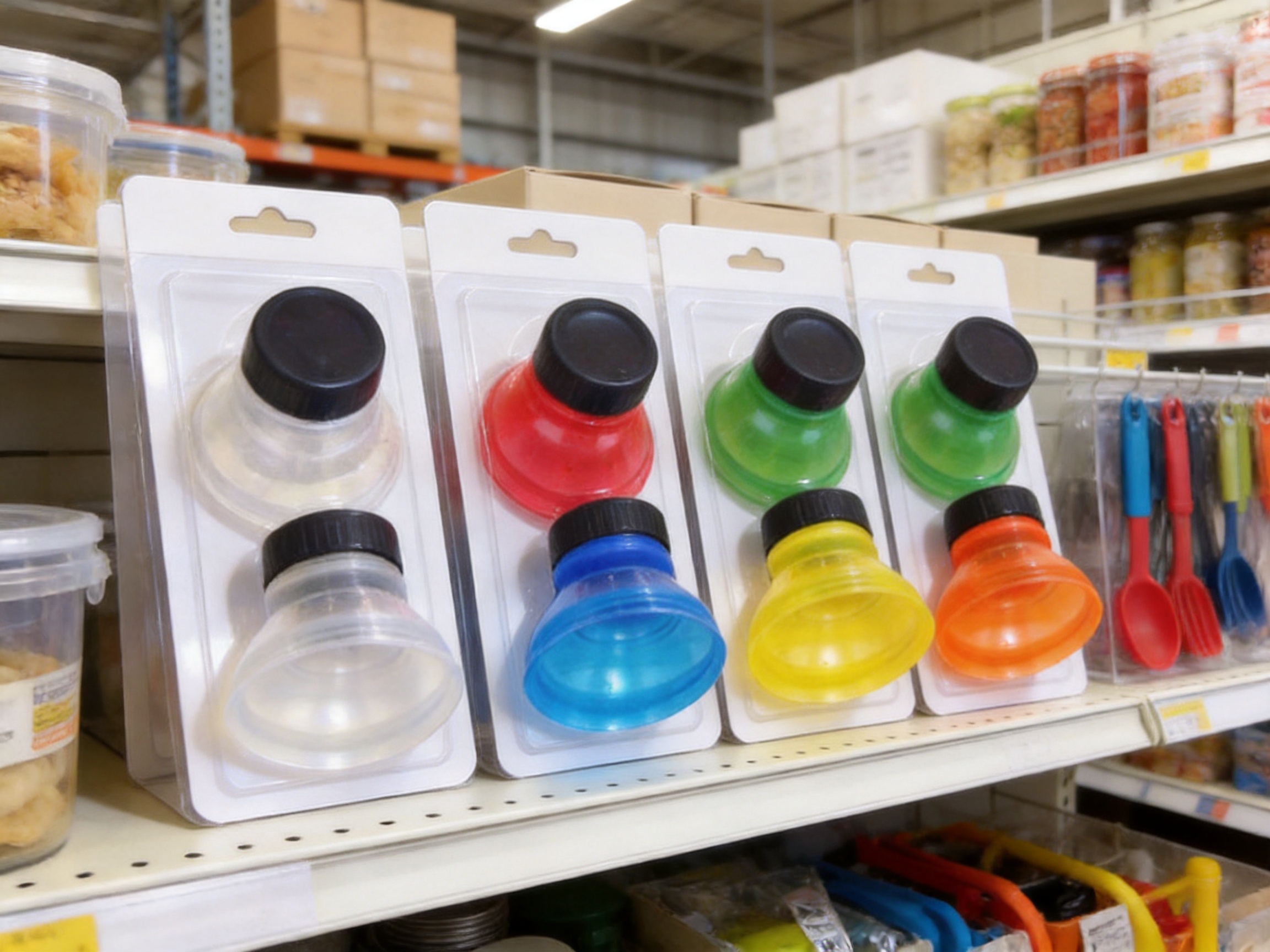
Private-label buyers can position the cap as a refrigerator organizer, can cover, picnic accessory, kitchen storage aid, or reusable household item. The product can be packaged in simple polybags, carded packaging, retail boxes, or multi-piece sets, depending on market expectations. A value retailer may prefer minimal packaging to control cost, while a supermarket chain may want attractive retail cards with clear usage instructions.
Because the product is small, packaging communication is important. The package should quickly communicate what the cap does, what material it uses, and how consumers can use it. Clear icons and simple English instructions can improve shelf conversion. For online sales, images showing use scenarios can increase buyer understanding. However, claims should remain accurate and practical.
Responsible Use and Care
Users should rinse or clean the cap before first use and after contact with food or drink. They should verify that the cap size is suitable for the intended can. The cap should be used as a temporary cover and should not be assumed to create a hermetic or vacuum seal unless specifically tested and certified for that purpose. Food should be stored according to local food safety guidance, and perishable contents should be refrigerated when necessary.
For long-term food storage, some contents may be better transferred to dedicated food storage containers. This is especially true for highly acidic foods, strong-smelling foods, or items that need secure sealed storage. The cap’s strongest value is convenience, cleanliness, and short-term organization. Clear user guidance helps buyers avoid unrealistic expectations and supports customer satisfaction.
Cleaning should be simple. Consumers can wash the cap by hand with mild detergent and water. If dishwasher use is desired, buyers should confirm temperature resistance and dishwasher suitability with the manufacturer before making such claims on packaging. This is important because different PP formulations and product designs may perform differently under high heat or aggressive washing conditions.
Procurement Considerations for Buyers
When evaluating the GS071 cap for can, buyers should consider target market, retail price, packaging requirements, color preference, order volume, certification needs, and testing expectations. Because kitchenware products may be subject to different regulations in different markets, importers should confirm applicable food-contact or material requirements before purchase. The manufacturer can support discussions, but buyers should also verify compliance according to destination-market rules.
Sample evaluation is recommended before bulk ordering. Buyers should check fit, surface finish, flexibility, edge comfort, color, packaging, carton strength, and general user experience. If the product will be sold in a specific country or through a major retailer, the buyer should confirm whether additional testing or documentation is required.
Buyers should also consider how the product will be displayed. A small cap may need attractive packaging to gain attention. It can be sold near food storage containers, kitchen tools, canned goods, outdoor dining products, lunch accessories, or refrigerator organization items. In e-commerce, the listing should emphasize practical use cases, material, quantity, and care instructions.
Why This Product Fits Modern Household Trends
Modern consumers increasingly value organization, convenience, and reusable everyday products. Social media and home-organization trends have made tidy refrigerators and well-arranged kitchens more desirable. At the same time, inflation and cost-conscious shopping encourage consumers to look for affordable tools that improve daily routines without major expense. The GS071 cap for can fits these trends well.
It is a small product, but it supports a larger lifestyle message: keep the kitchen cleaner, reduce small inconveniences, and make food preparation more orderly. This message is easy for retailers to communicate. It also works across different consumer groups, from families to students, office workers, campers, and restaurant staff.
The product’s simple function also gives it international potential. Many kitchen gadgets are culturally specific, but cans are widely used across global markets. A cap for can can therefore fit a broad range of retail environments. Buyers should still verify compatibility with local can sizes and consumer preferences, but the basic need is widely recognizable.
Q&A Section
Q1: What is the GS071 cap for can used for?
It is used to cover opened cans for cleaner, more convenient short-term storage and organization. It helps protect the can opening from dust and general exposure during ordinary household or food-service use.
Q2: What material is the product made from?
The cap is made from PP, a lightweight and practical plastic material commonly used in household goods and kitchenware.
Q3: Is the cap reusable?
Yes. The product is intended as a reusable kitchen accessory. Users can clean it after use and store it for repeated daily application.
Q4: How does it compare with plastic wrap or aluminum foil?
Plastic wrap and foil are often disposable and can look messy. A PP cap is a dedicated, reusable, and neater solution for covering cans in many everyday situations.
Q5: Is it suitable for restaurants and catering businesses?
Yes, it can be useful in restaurants, cafés, catering operations, hotels, and staff kitchens where opened cans may need temporary covering and better organization.
Q6: What is the packing quantity?
The product is packed at 24 pieces per carton. The carton measurement is 47.6 x 35.6 x 17.6 cm, with a net weight of 1.7 kg and a gross weight of 2.5 kg.
Q7: What is the minimum order quantity?
The MOQ is 5,000 pieces, making the product suitable for wholesale, supermarket, distributor, and promotional purchasing programs.
Q8: What is the delivery time?
The listed delivery time is 30 days, subject to order confirmation, production planning, customization requirements, and shipment arrangements.
Q9: Can buyers request customized packaging?
Customization may be possible depending on order quantity and project requirements. Buyers should discuss color, packaging, labeling, and private-label needs with the manufacturer before placing an order.
Q10: Does the cap create an airtight seal?
The product should be understood as a practical cover for cleaner temporary storage. Buyers should confirm specific sealing performance through testing before making airtight, leakproof, or preservation claims.
Conclusion
The GS071 cap for can is a practical kitchenware product with strong mass-market potential. It addresses a common everyday need: covering opened cans in a cleaner, neater, and more convenient way. Made from PP, packed efficiently, and supported by an experienced manufacturer, it offers an attractive balance of function, affordability, and supply reliability.
Its advantages over competitors are clear. Compared with disposable coverings, it is reusable and tidier. Compared with very cheap low-grade alternatives, it benefits from stronger manufacturing support and quality control. Compared with premium or complex lid systems, it remains simple, cost-effective, and easy to sell. For wholesalers, supermarkets, promotional buyers, and private-label brands, these advantages can translate into easier purchasing decisions and broader consumer acceptance.
The manufacturing strength behind the product further increases its value. The company has extensive experience in household products and small kitchen appliances, with R&D, QC, production capacity, export knowledge, and a commitment to quality, competitive pricing, delivery, and service. These strengths help make the GS071 cap for can more than a basic accessory; they make it a dependable product option for buyers who need practical kitchenware supported by a capable supply partner.
References
1. Product specification sheet for GS071 Cap for can, including material, packing, carton measurement, MOQ, and delivery information.
2. Company profile of CIXI GSTAR ELECTRIC APPLIANCE CO., LTD., including manufacturing categories, development history, factory capabilities, R&D resources, and quality control background.
3. General industry knowledge on PP material applications in household goods and kitchenware manufacturing.
4. General manufacturing references on plastic injection molding, quality inspection, carton packing, and export-oriented kitchenware production.