
 English
 中文简体
中文简体 Español
 English
 中文简体
中文简体 Español
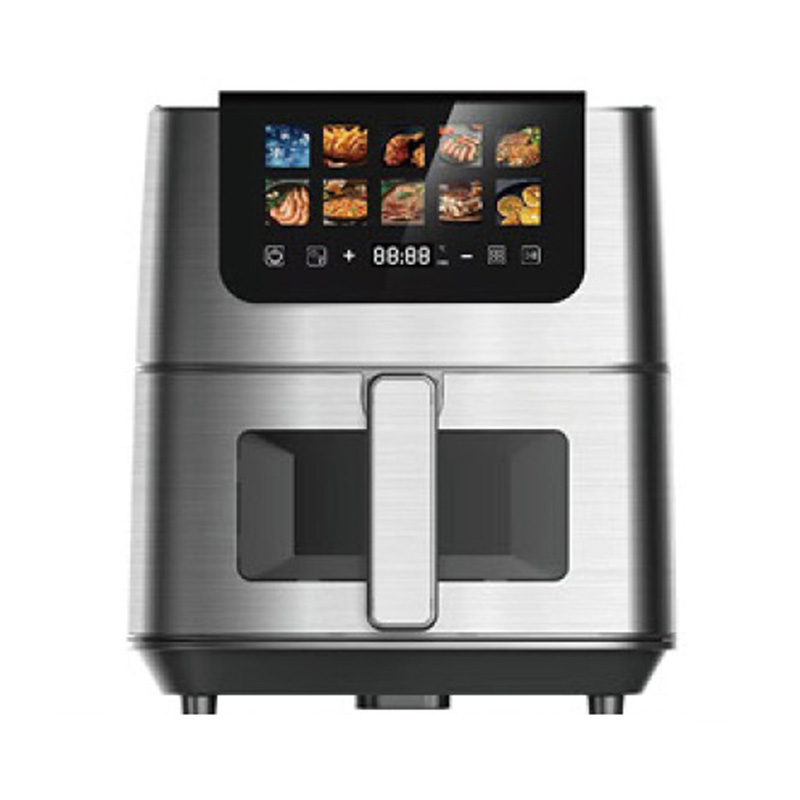
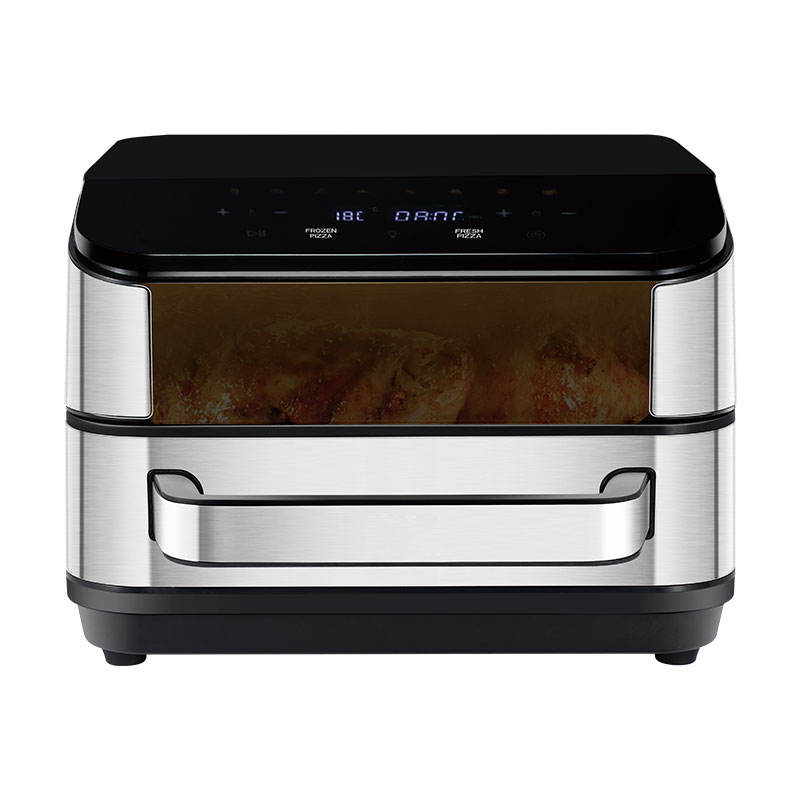
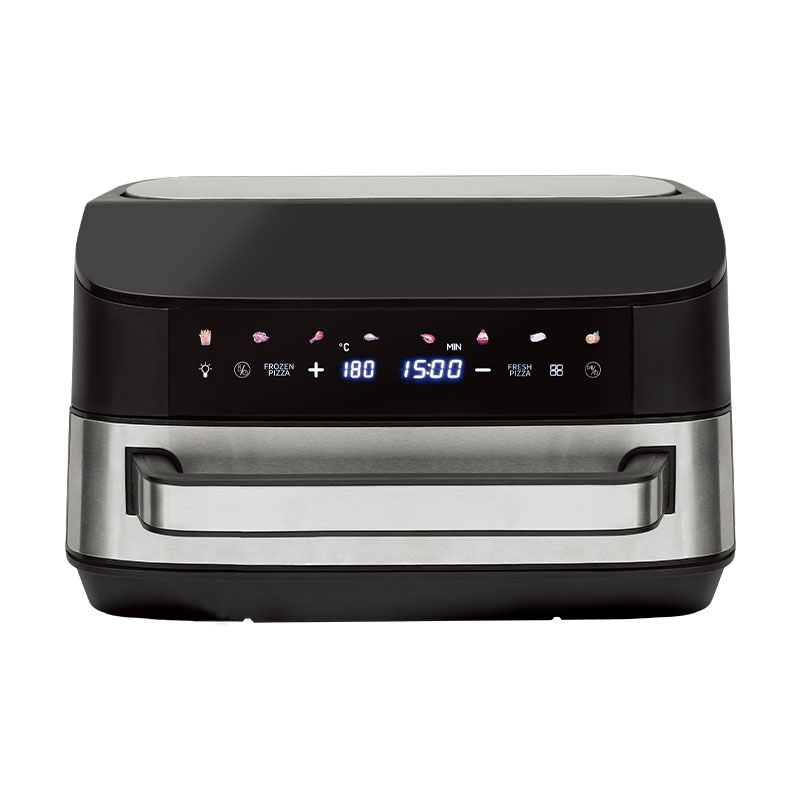
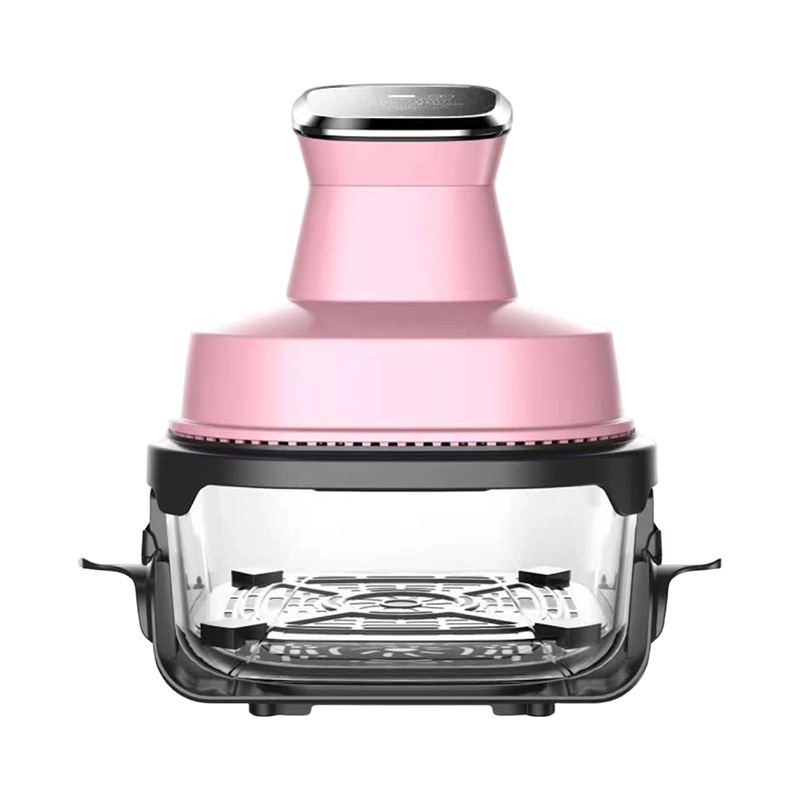
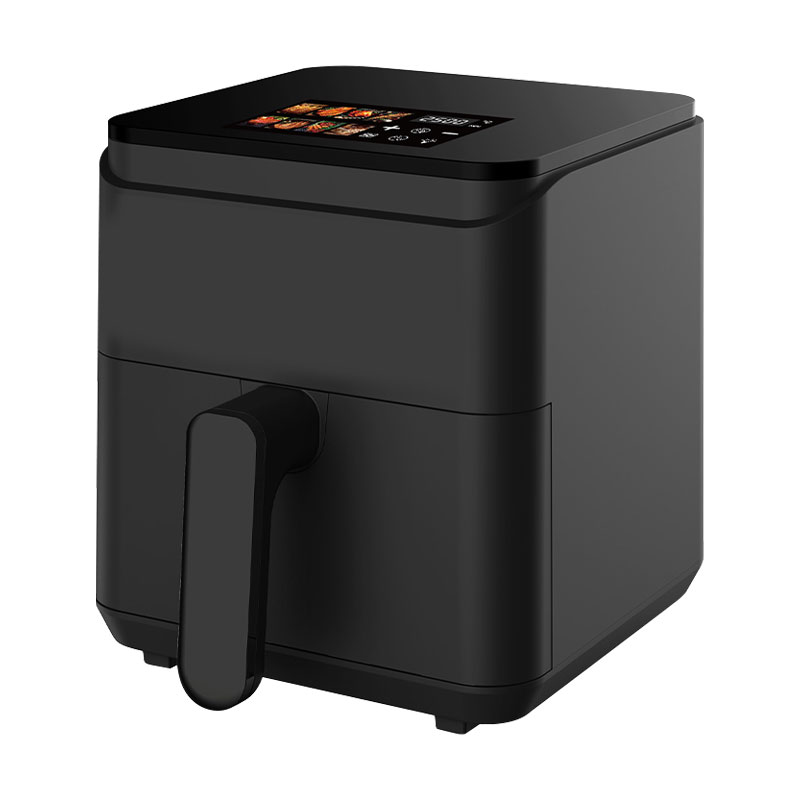
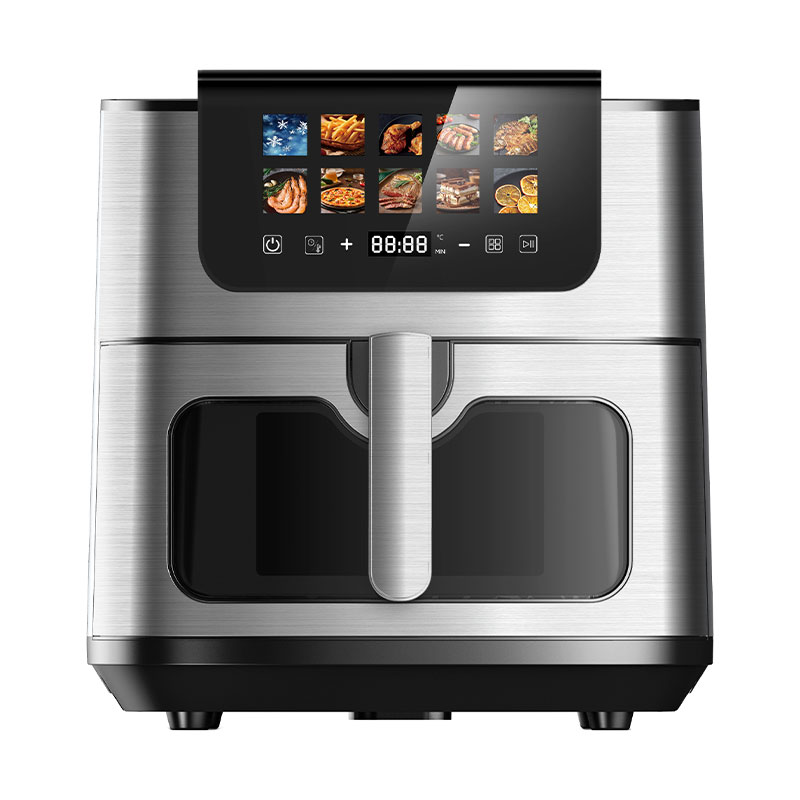
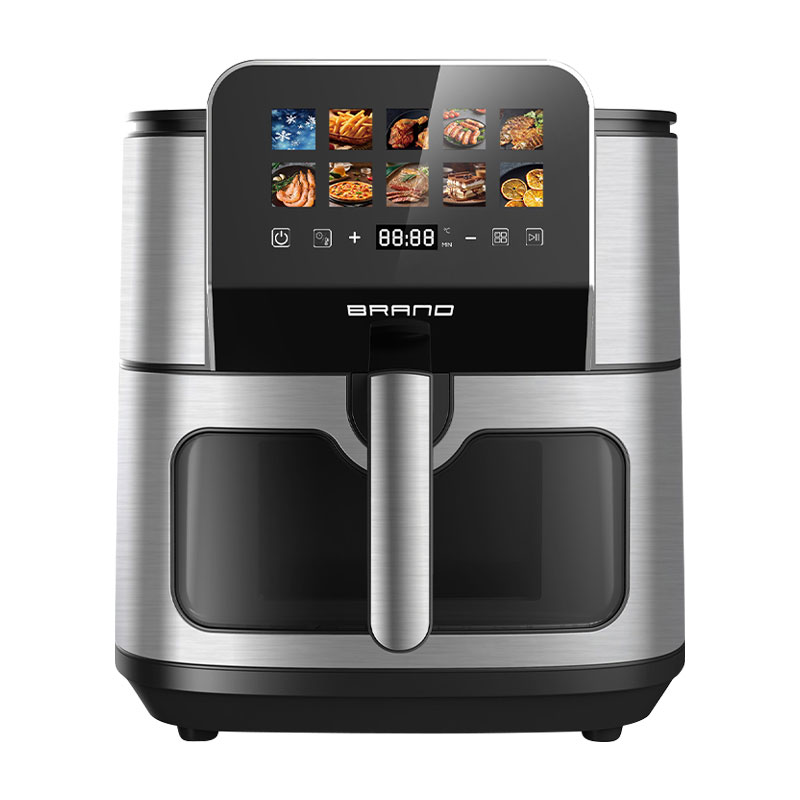
Air fryers have become one of the most practical small kitchen appliances for households, food-service operators, hospitality businesses, and retailers seeking convenient cooking solutions. The GSE044 8-liter single-pot air fryer is designed to address this demand with a combination of generous capacity, high cooking power, durable multi-material construction, compact counter-top proportions, and production support suitable for wholesale and private-label purchasing.
Unlike small personal air fryers that are mainly intended for one person or limited portions, an 8-liter model provides substantially more room for family meals, shared dishes, snacks, vegetables, poultry, seafood, and frozen foods. At the same time, its single-pot configuration remains easier to understand and operate than more complex multi-basket products. This balance makes the GSE044 suitable for consumers who want a practical everyday appliance and for commercial buyers looking for a broadly marketable product category.
The appliance is produced by CIXI GSTAR ELECTRIC APPLIANCE CO., LTD., a Chinese manufacturer focused on small electric kitchen appliances and related household products. The manufacturer’s product development background includes air fryers, air ovens, blenders, slicers, choppers, food processors, hot pots, smokeless grills, and other kitchen equipment. Its experience across several product categories supports a more integrated approach to design, engineering, sourcing, assembly, quality control, and customer service.
This article examines the GSE044 in detail, including its specifications, cooking capacity, materials, electrical configuration, packaging, manufacturing strengths, quality considerations, market advantages, and suitability for different sales channels.

GSE044
1. Product Overview
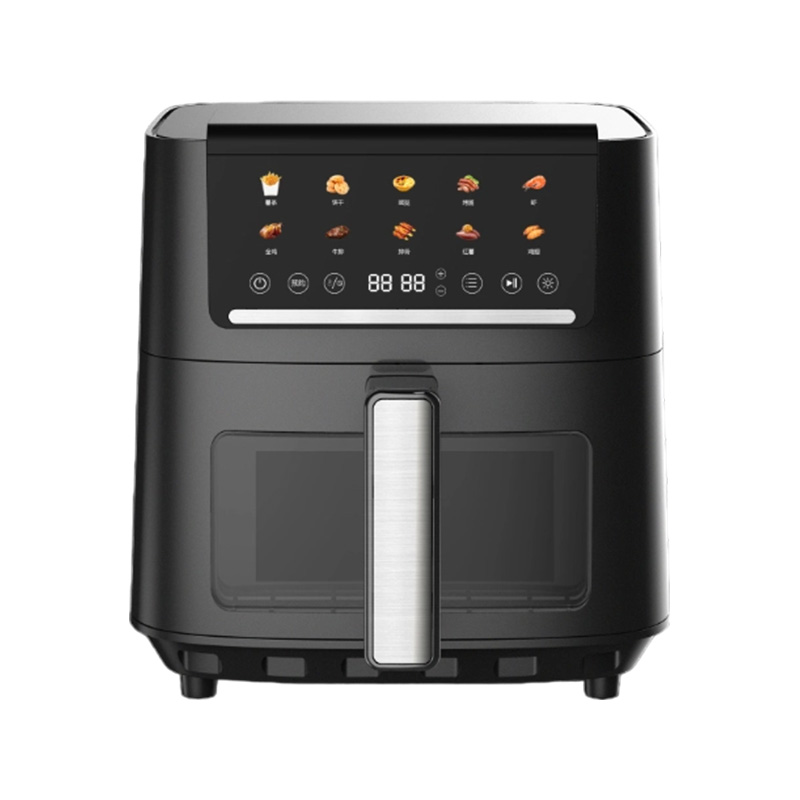
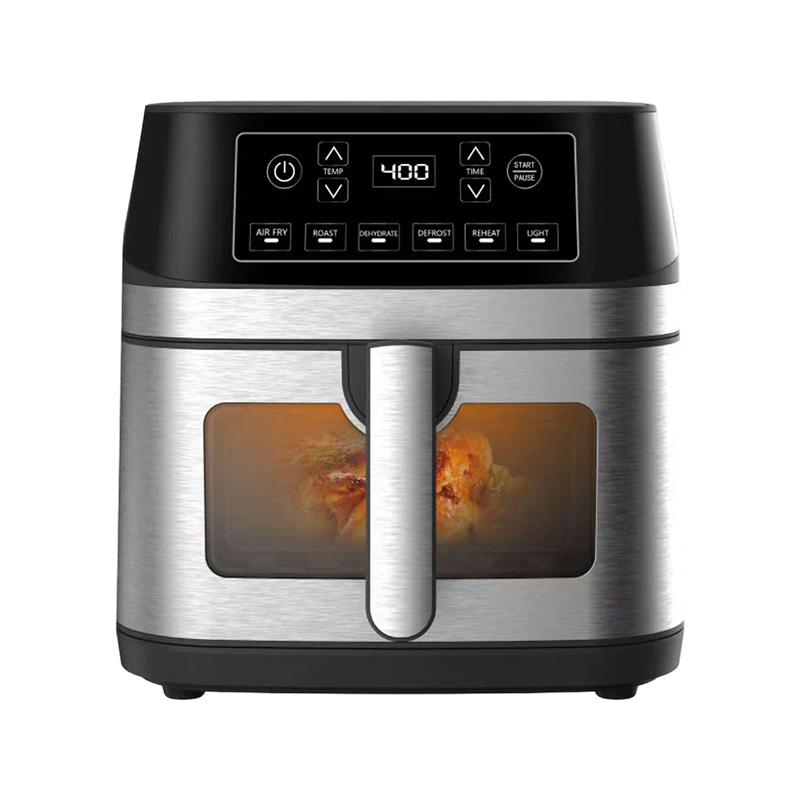
The GSE044 is an 8-liter single-pot air fryer designed for efficient hot-air cooking. It combines a high-capacity cooking chamber with a 1700-watt power rating and a relatively compact external size of 41.5 × 32.5 × 32.7 centimeters. The product is intended to support cooking methods that use circulating heated air rather than large quantities of oil.
Air frying can provide a convenient alternative to traditional deep-frying for many common foods. Users can prepare items such as fries, chicken wings, meat pieces, fish, vegetables, pastries, reheated snacks, and frozen convenience foods. Because the appliance places cooking, heating, and air circulation into one countertop unit, it can reduce the need to use multiple pans, pots, or larger ovens for everyday meals.
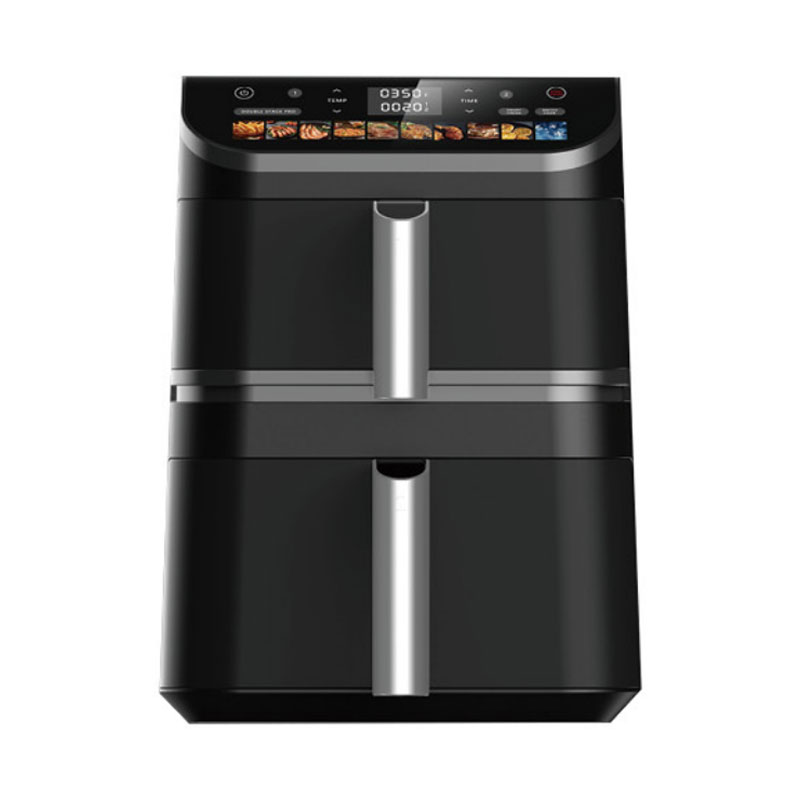
The single-pot structure is especially useful for buyers seeking straightforward operation and simple maintenance. Multi-compartment air fryers may allow two foods to be cooked at different settings, but they can also introduce additional controls, components, and cleaning requirements. A single large compartment offers a more familiar workflow: place the food inside, select the appropriate cooking program or setting, and monitor the cooking process.
The 8-liter capacity places the GSE044 in a versatile middle-to-large household category. It is more accommodating than compact units designed for individual servings, while remaining smaller and potentially more energy-conscious than a full-size built-in oven. For many families, this capacity can support a complete meal or several side dishes without requiring repeated cooking cycles.
Core Specification Summary
| Item number | GSE044 |
| Product name | Air Fryer |
| Configuration | 8-liter single pot |
| Material composition | PP, PA, aluminum, ABS, PC, and SS430 |
| Electrical options | 127V or 220–240V, with 1700W power rating |
| Frequency | 50–60Hz |
| Product dimensions | 41.5 × 32.5 × 32.7 cm |
| Gift box dimensions | 431 × 358 × 391 mm |
| Carton dimensions | 446 × 373 × 409 mm |
| Packing quantity | 1 piece per carton |
| Gross and net weight | 7.5 kg gross / 6.5 kg net |
| Listed certifications | CE, CB, GS, RoHS, and LFGB |
| Listed minimum order quantity | 999 pieces per 40HQ |
The electrical specification should be confirmed for the intended destination market before ordering. The listed information includes both 127V and 220–240V variants, while the operating frequency is given as 50–60Hz. Buyers should confirm the exact voltage, plug type, cord specification, labeling, certification package, and applicable national requirements for each target country.
2. Capacity Designed for Everyday Demand
Capacity is one of the most important factors in air fryer purchasing decisions. A unit that is too small may require multiple batches, increasing preparation time and reducing convenience. The GSE044’s 8-liter single-pot design provides additional internal space for users who regularly cook for families, guests, or several people at once.
The larger chamber can be useful for preparing substantial portions of fries, potato wedges, chicken wings, breaded foods, vegetables, sausages, fish portions, and other ingredients. Depending on the food type and arrangement, users may be able to prepare a complete meal or a main dish with fewer interruptions than they would experience with a small personal air fryer.
Capacity also influences how retailers position the product. A compact air fryer can be promoted as a personal appliance, while an 8-liter model can be presented as a family kitchen solution. This broader positioning increases the number of possible customer groups. It can appeal to couples, families, home cooks, apartment residents, busy professionals, and consumers replacing a smaller first-generation appliance.
For hospitality and light commercial applications, the GSE044 may also be useful for limited-volume preparation, staff kitchens, breakfast areas, guest suites, small cafés, and hotel rooms where permitted by local operating policies. It should not automatically be treated as a heavy-duty commercial fryer, but its capacity and accessible countertop format may make it suitable for selected professional environments.
The single-pot layout offers another practical benefit: users can place larger or irregularly shaped food pieces into one cooking area without dividing them between two smaller baskets. This may simplify preparation for whole portions, larger cuts, or mixed ingredients that need to remain together during cooking.
3. High-Power Heating for Practical Cooking Performance
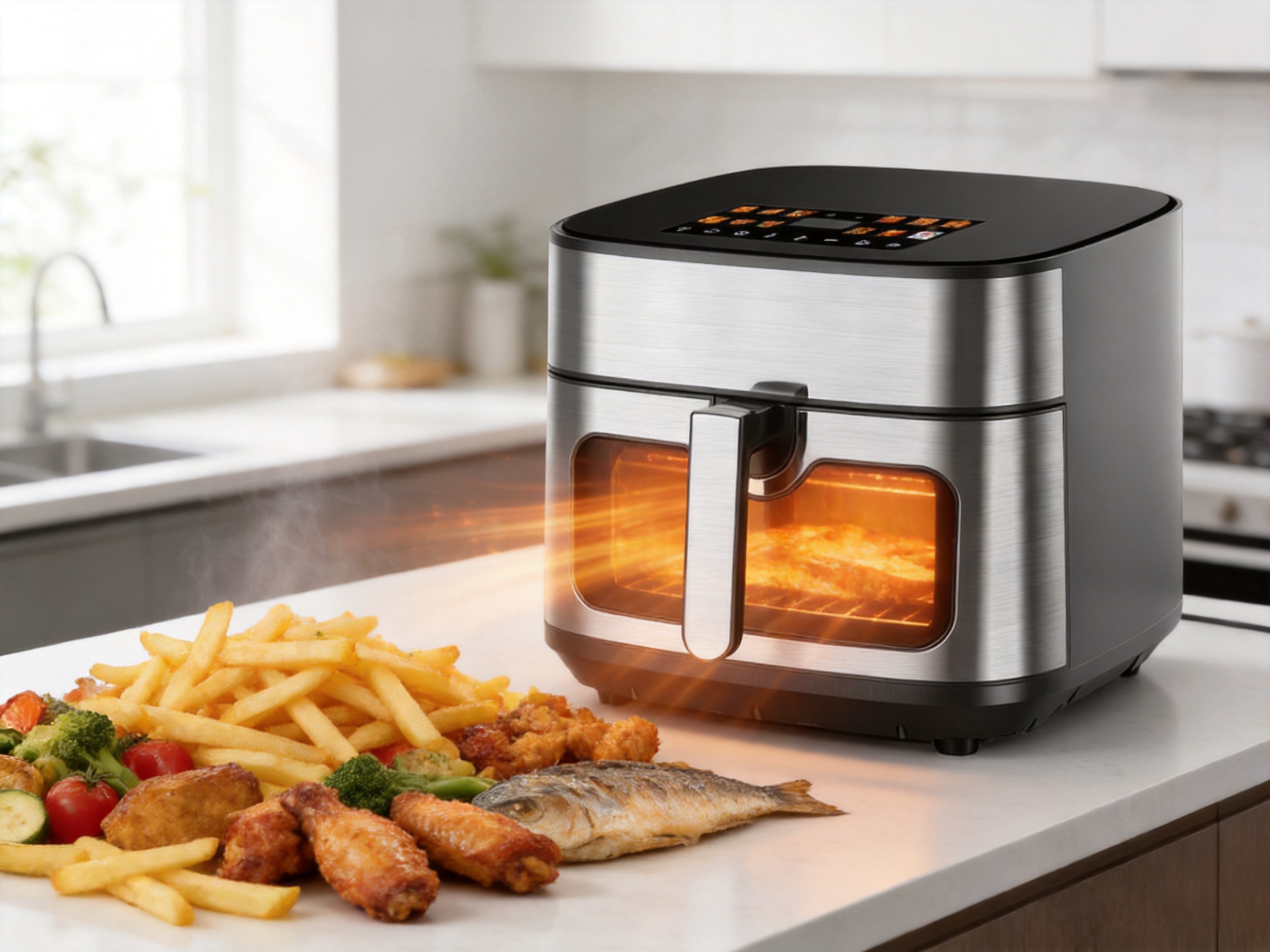
The GSE044 is specified at 1700 watts. This power level is appropriate for an 8-liter air fryer because the appliance must heat a relatively spacious chamber and maintain cooking temperatures as food is introduced. A suitable power-to-capacity relationship can help the appliance reach operating temperature efficiently and support consistent hot-air cooking.
Power performance depends on several factors, including ambient temperature, food quantity, starting temperature, ingredient moisture, basket arrangement, and the selected cooking setting. Nevertheless, a 1700-watt heating system gives the product a strong specification for retail presentation. It signals that the appliance is designed for more than occasional light reheating and can handle a broad range of everyday cooking tasks.
Compared with lower-powered compact air fryers, a higher-power 8-liter model may provide a better user experience when preparing larger quantities. Users can benefit from reduced cooking interruptions and a greater ability to maintain heat after opening the drawer or chamber. Compared with much larger ovens, the countertop air fryer can offer a more focused cooking space for smaller meals.
Energy use should always be evaluated in relation to cooking time, portion size, selected temperature, and the efficiency of the appliance. A higher wattage does not mean that the appliance consumes the same energy in every situation. The actual energy requirement depends on operating duration and how effectively the heating system transfers heat to the food.
For importers and distributors, the 1700-watt rating also creates a clear product specification for marketing materials. However, packaging and manuals should provide accurate electrical information for each model variant. A 127V version and a 220–240V version should not be treated as interchangeable, and buyers should ensure that the correct version is supplied to each market.
4. Multi-Material Construction and Component Selection
The GSE044 uses a combination of PP, PA, aluminum, ABS, PC, and SS430. Each material can serve a different functional purpose within an air fryer, allowing the manufacturer to balance heat resistance, strength, insulation, appearance, weight, and manufacturing efficiency.
Polypropylene, commonly known as PP, is widely used in household appliances because it is lightweight and suitable for molded components. It may be applied to selected external or internal parts where the material specification is appropriate. Polyamide, or PA, is valued for mechanical strength and may be used in components requiring additional durability or heat-related performance.
Aluminum is commonly associated with heat-transfer components because of its favorable thermal conductivity and relatively low weight. In a cooking appliance, the appropriate use of aluminum can support effective heat distribution in designated parts of the heating or cooking system.
ABS is frequently used for rigid appliance housings, structural covers, handles, and decorative components. It can provide a solid surface and support consistent molded appearance. Polycarbonate, or PC, is known for impact resistance and optical clarity, making it suitable for certain transparent or semi-transparent components when included in the design.
SS430 is a stainless steel grade commonly used in household appliance applications. Its inclusion may support corrosion resistance, surface durability, and a clean metallic appearance in relevant components. The exact use of each material should be confirmed through the final technical drawing, bill of materials, and product sample.
The value of a multi-material design is not simply the number of materials used. The advantage comes from assigning the right material to the right function. A well-engineered air fryer needs external surfaces that are comfortable and durable, internal parts that tolerate heat, structural components that maintain alignment, and food-contact areas that meet applicable safety requirements.
Food-Contact and Safety Considerations
For an appliance used to prepare food, material compliance is a central purchasing consideration. The supplied information lists LFGB among the certifications or compliance references. Buyers should request the relevant reports and declarations to verify which components are covered, which markets they apply to, and whether the documentation corresponds to the exact GSE044 material configuration.
Materials in contact with food should be evaluated for suitability at the intended temperature range. Coatings, plastics, metals, seals, baskets, trays, and accessories may each require separate consideration. Importers should also review user instructions relating to cleaning, maximum temperature, dishwasher suitability, abrasion, and the use of non-metal utensils.
5. Compact Countertop Form for Flexible Placement
The product size is listed as 41.5 × 32.5 × 32.7 centimeters. This footprint gives the GSE044 a practical countertop profile for a product with an 8-liter capacity. It can be positioned in many home kitchens, office pantry areas, staff rooms, hotel breakfast spaces, and small food preparation areas, provided that adequate ventilation and electrical clearance are maintained.
Countertop dimensions influence the customer’s willingness to purchase. A very large appliance may provide capacity but become difficult to store or use. A very small appliance may be convenient to place but fail to meet cooking needs. The GSE044 aims to occupy a useful middle position by combining a substantial internal volume with dimensions that remain manageable for everyday kitchens.
Its gross shipping weight is listed as 7.5 kilograms, with a net product weight of 6.5 kilograms. This difference reflects packaging materials and protective components used for transport. The weight is substantial enough to support a stable countertop presence while remaining manageable for many consumers to move between storage and use locations.
Retailers should provide customers with both product dimensions and recommended clearance information. The appliance should not be placed directly against walls or beneath surfaces that may be damaged by heat or steam. Safe use requires stable positioning, ventilation, and compliance with the instructions supplied for the relevant electrical version.
6. Packaging Designed for Wholesale Distribution
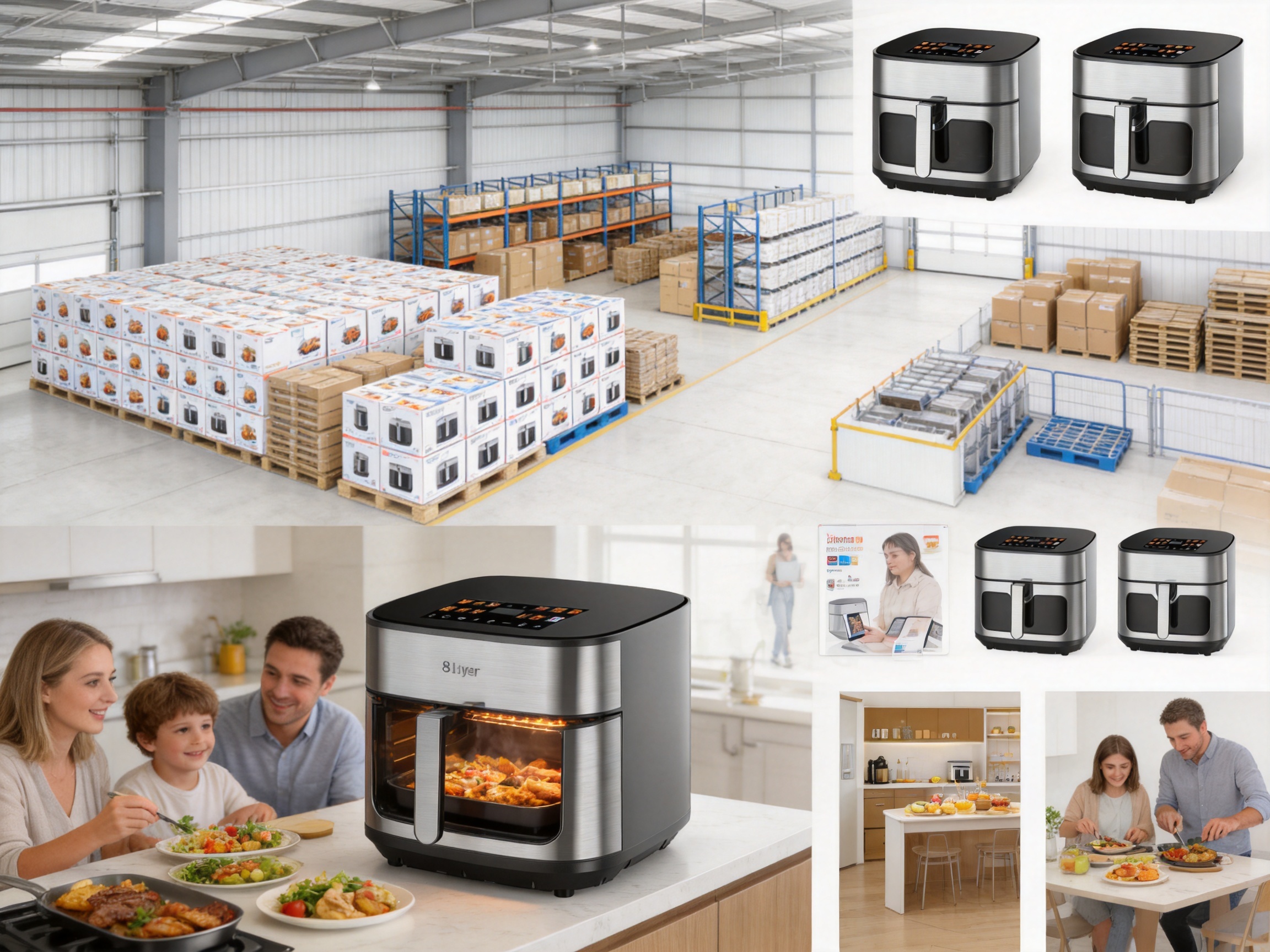
The GSE044 is listed with a gift box measuring approximately 431 × 358 × 391 millimeters and an outer carton measuring approximately 446 × 373 × 409 millimeters. The packing quantity is one piece per carton. Individual-carton packing is useful for many wholesale and retail channels because it simplifies inventory management, product identification, handling, and direct shipment.
A one-piece-per-carton arrangement can be advantageous for e-commerce sellers and distributors that ship individual units to customers. It can also help retailers manage shelf replenishment and warehouse picking. Each product can be scanned, stored, and dispatched as a separate sales unit without opening a larger master carton.
Packaging should protect the appliance against impact, vibration, compression, moisture, and movement during international transportation. For an appliance containing a heating system, control components, molded plastics, and a basket or pot, protective packaging is particularly important. The final packaging design should secure removable parts and prevent unnecessary contact between the product surface and the carton.
For overseas buyers, the carton dimensions and shipping weight are useful in freight planning. They can support calculations for pallet configuration, container loading, warehouse storage, and landed-cost analysis. The stated minimum order quantity is 999 pieces per 40HQ, and the exact container loading quantity should be confirmed with the manufacturer based on the final packaging, pallet use, regional shipping regulations, and container requirements.
Retail packaging can also influence the perceived value of the product. Clear product photography, accurate capacity information, correct electrical labeling, cooking-use illustrations, safety warnings, and multilingual instructions can help reduce customer confusion and improve after-sales experience. Packaging claims should match the verified technical documentation.
7. Manufacturing Experience and Product Development Capability
The manufacturer behind the GSE044 has experience in both non-electric household products and electric kitchen appliances. According to the supplied company profile, the business began developing its own innovative household products before expanding more deeply into electric appliances. This background is relevant because successful kitchen appliance manufacturing requires more than assembly alone. It involves understanding user behavior, product ergonomics, materials, packaging, retail presentation, tooling, and after-sales requirements.
The manufacturer’s stated product range includes blenders, slicers, choppers, food processors, smokeless grills, hot pots, air fryers, air ovens, ice buckets, beverage dispensers, pitchers, graters, and related products. Working across these categories can create useful experience in motors, heating systems, switches, control structures, plastic injection molding, stainless steel components, and food-contact product requirements.
The company profile reports an in-house production facility, a dedicated research and development team, and quality control personnel. It also describes a workforce of experienced employees and a factory with substantial production and building areas. Because the supplied company information gives more than one figure for factory size and staffing, buyers should request the latest verified factory profile during the qualification process.
A dedicated engineering function can support product customization, technical communication, sample development, packaging adjustments, and manufacturing improvements. For importers, this is important when a product must be adapted to a specific market. Possible customization areas may include voltage, plug, color, logo, packaging language, user manual, control markings, accessories, and carton artwork, subject to minimum order quantities and technical feasibility.
Engineering as a Competitive Advantage
Many air fryers may appear similar from the outside, but differences in engineering can affect product reliability and customer satisfaction. Heating performance, temperature stability, airflow, insulation, basket alignment, handle strength, electrical protection, noise, surface temperature, and ease of cleaning all influence the user’s perception of quality.
A manufacturer with experience in multiple kitchen appliance categories can approach these issues from several technical perspectives. Product designers can consider the external appearance and user interface. Mechanical engineers can review structure and moving parts. Electrical engineers can evaluate wiring, heating elements, controls, protection systems, and regional voltage requirements. Quality personnel can monitor assembly consistency and test results.
The company’s history of developing products for international markets also suggests familiarity with different buyer expectations. Nevertheless, each buyer should still conduct independent product validation and verify documentation for the exact order specification.
8. Quality Control and Production Management
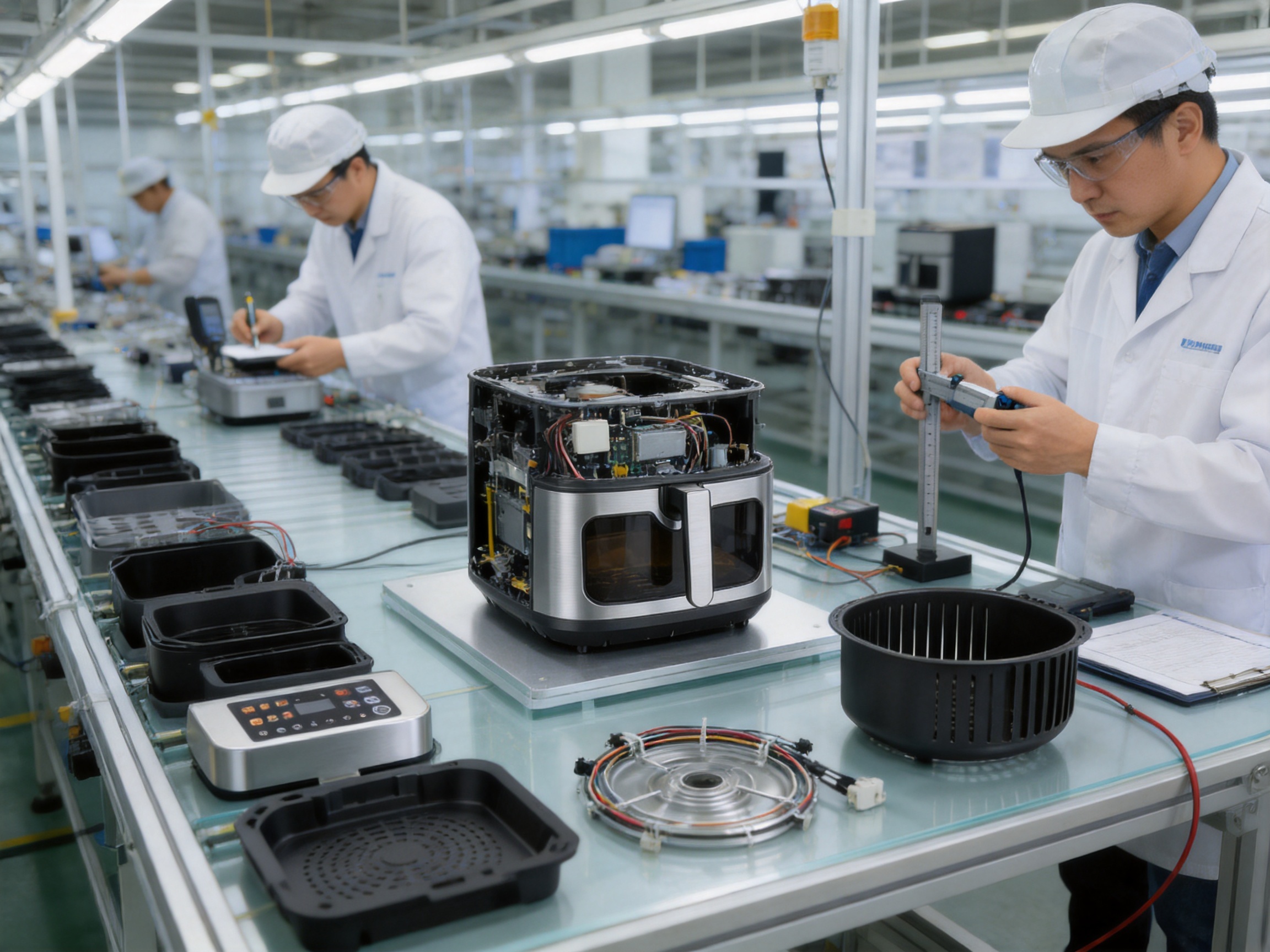
Quality control is especially important for electric cooking appliances because the product combines heat, electricity, plastics, metal components, and food-contact surfaces. A robust quality program should address materials, incoming components, production assembly, electrical safety, functional performance, appearance, packaging, and final shipment inspection.
At the incoming-material stage, inspection may include checking plastic components, metal parts, heating elements, power cords, switches, fasteners, packaging materials, and labels. Consistent incoming quality helps reduce variation during assembly and lowers the possibility of defects reaching the finished-product stage.
During production, operators and inspectors can check the fit of housings, the alignment of the pot or basket, the installation of electrical components, the security of connections, the positioning of insulation, and the operation of controls. Process checks are generally more effective than relying only on final inspection because they can identify problems before additional components and labor are added.
Finished-product testing may include power testing, heating operation, control-function checks, appearance inspection, grounding or insulation checks where applicable, and packaging verification. Depending on the destination market and customer requirements, additional testing may be performed by internal laboratories or independent third-party organizations.
The listed certifications include CE, CB, GS, RoHS, and LFGB. These references can strengthen the product’s international market position, but certification names alone are not a substitute for document verification. Buyers should confirm certificate numbers, report dates, voltage versions, factory information, applicable standards, and whether the reports cover the exact model and components being purchased.
Why Verification Matters
Electrical and food-contact regulations vary by country and sales channel. A product accepted in one region may require additional testing, labeling, registration, or import documentation in another. A buyer should therefore treat the listed certifications as a starting point for compliance review rather than as a universal approval for every market.
Before mass production, the buyer should approve a golden sample, final artwork, technical specification, user manual, and packaging. Any change to the heating element, control board, power cord, plug, plastic material, coating, basket, or electrical rating may affect compliance and should be reviewed before implementation.
9. Advantages Compared with Competing Air Fryers
The air fryer market includes compact personal units, dual-basket designs, oven-style air fryers, premium smart appliances, and large commercial machines. The GSE044 competes by offering a practical combination of capacity, power, simplicity, and wholesale flexibility rather than relying on excessive complexity.
Advantage 1: Larger Capacity Than Personal Models
Many entry-level air fryers are designed for one or two servings. Their smaller cooking area can be convenient for limited use, but users may need to prepare several batches for a family. The GSE044’s 8-liter capacity provides a stronger solution for customers who want to cook more food at one time.
This capacity can reduce repeated loading and unloading, making the appliance more convenient for family meals and entertaining. It also gives retailers a clear marketing distinction from small personal models.
Advantage 2: Simpler Than Multi-Basket Products
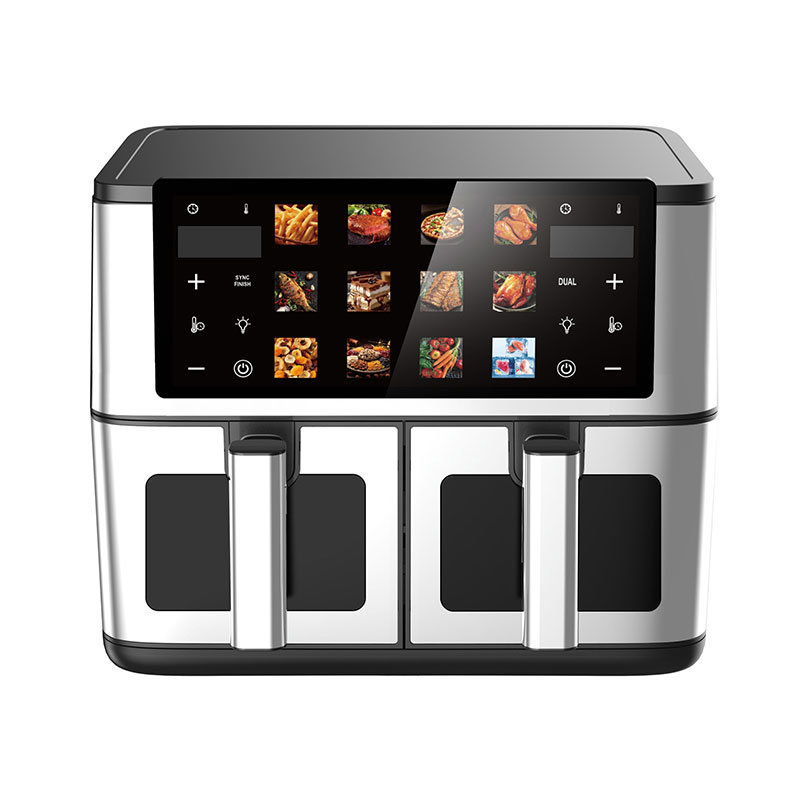
Dual-basket air fryers can be attractive to customers who want separate cooking zones, but they typically involve more controls, more components, and more surfaces to clean. A single-pot air fryer provides a straightforward operating concept and may be easier for first-time users to understand.
The single-pot layout can also support larger individual food pieces that may not fit comfortably into two narrow baskets. This makes the GSE044 a practical choice for customers who prioritize capacity and simplicity over simultaneous cooking of two separate recipes.
Advantage 3: Strong Power for Its Capacity
The 1700-watt rating gives the GSE044 a competitive specification for an 8-liter air fryer. It supports the product’s positioning as a capable family appliance rather than a small reheating device. Retail buyers can use the capacity-and-power combination to distinguish the product from lower-powered models.
Advantage 4: Balanced Countertop Dimensions
A large cooking capacity does not automatically make a product attractive if it takes up excessive space. The GSE044’s stated dimensions provide a balance between usable interior volume and manageable countertop placement. This can appeal to homes with limited kitchen space and to retailers looking for a product that can be efficiently stored and displayed.
Advantage 5: Multi-Material Engineering
The use of PP, PA, aluminum, ABS, PC, and SS430 indicates an approach that combines molded plastics, metal components, and heat-related materials. This can support a balance of appearance, durability, thermal performance, structural integrity, and product weight when properly engineered and manufactured.
Advantage 6: Wholesale and Customization Potential
The manufacturer’s experience in small kitchen appliances can support wholesale programs, private-label projects, and market-specific adaptations. Buyers may benefit from a factory that understands product development, packaging, certification coordination, production scheduling, and export requirements.
10. Suitable Customer and Sales Channels
The GSE044 can be positioned through multiple sales channels. Household appliance retailers may present it as a family-size air fryer for everyday meal preparation. Online sellers can emphasize the 8-liter capacity, 1700-watt power, countertop footprint, and broad cooking versatility. Department stores and supermarket chains may use the product as a seasonal or promotional kitchen appliance.
Home and lifestyle retailers can group the air fryer with cookware, food storage products, kitchen utensils, and healthy cooking accessories. The product can also be included in promotional campaigns focused on quick meals, convenient cooking, reduced oil use, or kitchen modernization.
For hospitality and institutional buyers, the unit may be considered for staff kitchens, guest areas, breakfast preparation, demonstration kitchens, and limited-volume food service. Commercial users should evaluate local requirements, operating frequency, cleaning processes, ventilation, and warranty conditions before selecting the appliance for professional use.
Private-label customers may find the product appropriate when they need an established air fryer platform but want their own brand identity. Customization may include housing color, logo placement, gift box design, instruction manual, product name, accessories, and language content. The feasibility of customization should be negotiated according to order volume, tooling requirements, production schedules, and compliance obligations.
11. Practical Cooking Applications
The GSE044 can support a broad range of cooking applications. Frozen foods such as fries, hash browns, breaded fish, and prepared snacks are common air fryer uses because circulating hot air can create a crisp exterior. Fresh foods such as chicken pieces, vegetables, potatoes, and seafood can also be prepared with appropriate seasoning and cooking guidance.
The appliance may be used for reheating pizza slices, pastries, roasted vegetables, and other foods that can lose texture in a microwave. Air circulation can help restore surface crispness more effectively than some conventional reheating methods, although results vary according to food type and moisture content.
Users should avoid overcrowding the cooking area because excessive food density can restrict airflow and lead to uneven results. In some cases, shaking or turning the food during cooking may improve browning. The user manual should provide recommended temperatures, times, portion sizes, preheating instructions, and safety procedures based on product testing.
Food should be placed in a way that maintains appropriate airflow and does not obstruct heating or ventilation areas. Users should also follow guidance regarding oil, parchment, foil, sauces, and lightweight ingredients. Incorrect use of accessories or loose materials can create safety risks or reduce performance.
12. User Safety and Maintenance
As with all heated electrical appliances, safe operation is essential. The air fryer should be placed on a stable, heat-resistant surface with adequate space around ventilation areas. Users should keep the appliance away from water, flammable materials, and surfaces that may be damaged by heat or steam.
The power cord and plug should be inspected before use. The appliance should be connected to a suitable outlet that matches the specified voltage and frequency. Extension cords should only be used when permitted by the instructions and when their rating is appropriate for the appliance’s power requirement.
After cooking, the pot, basket, and other removable parts should be allowed to cool before cleaning. Food residue should be removed according to the manufacturer’s instructions. Abrasive cleaners, sharp tools, and unsuitable chemicals may damage coatings, plastics, markings, or metal surfaces.
The external housing should be cleaned with an appropriate damp cloth and should not be immersed in water. Electrical components must remain dry. Regular cleaning can help maintain airflow, reduce odors, preserve appearance, and support reliable operation.
Maintenance instructions should be written clearly and translated accurately for the destination market. Retailers and distributors should ensure that warranty procedures, replacement-part policies, and customer-service contacts are available before launching the product.
13. Procurement Considerations for Importers
Importers evaluating the GSE044 should begin by confirming the complete product specification. This includes the exact voltage version, frequency, plug, power cord, control configuration, color, accessories, food-contact materials, surface finish, and packaging artwork.
A pre-production sample should be reviewed for appearance, dimensions, controls, basket movement, handle operation, noise, heating performance, surface temperature, and cleaning access. The buyer should compare the sample against the approved specification and record any changes before mass production.
Order quantities and delivery schedules should be discussed early. The listed MOQ is 999 pieces per 40HQ, but the final order arrangement may depend on voltage, color, packaging, branding, and accessory requirements. Buyers should also confirm whether mixed models or mixed colors are permitted within a container.
Shipping calculations should include product cartons, pallets if used, container loading, warehouse space, insurance, customs documentation, and local handling. Because the product is packed one piece per carton, the outer dimensions can be used to estimate storage and freight requirements, subject to final packing confirmation.
Quality agreements can define acceptable defect levels, inspection procedures, testing requirements, packaging standards, labeling, and corrective-action processes. A clear agreement is particularly valuable for private-label orders because brand owners are responsible for ensuring that the delivered products match their approved specifications.
Questions Buyers Should Ask the Factory
Buyers should ask which voltage versions are available for each target region and whether the electrical components change between versions. They should request current certification and test documentation for the exact model, factory, voltage, and plug configuration.
They should also ask about heating-element specifications, control components, temperature range, timer range, safety protection, standby power, noise level, basket coating, food-contact compliance, spare parts, warranty policy, and expected product life under normal household use.
For customization, buyers should request information about logo methods, color matching, mold changes, packaging design, instruction manuals, sample fees, production lead times, and minimum quantities. These details help prevent delays and unexpected charges during the order process.
14. Why the Manufacturer’s Broader Background Matters
A factory that manufactures only one narrow product category may have limited experience with different component technologies. In contrast, a manufacturer working across food processors, blenders, hot pots, air ovens, grills, and other kitchen appliances can build broader knowledge of motors, heating systems, food-contact surfaces, plastic parts, metal structures, safety testing, and product ergonomics.
The supplied company history describes a progression from sourcing and product development to the establishment of an independent manufacturing operation and later expansion into electric products. This development path can be relevant to buyers seeking a long-term engineering partner rather than a simple trading intermediary.
The company profile also mentions experience serving international customers and supplying products to major retail environments. Such experience may help the manufacturer understand packaging expectations, inspection procedures, delivery coordination, and communication requirements. Buyers should still conduct their own audits and verify current customer references where appropriate.
The stated factory resources include production space, experienced workers, engineers, and quality control personnel. These resources can support larger-scale manufacturing, product improvement, and order coordination. For a buyer, the key issue is not only the number of employees or the size of the facility, but whether the factory has effective processes, traceability, stable component sourcing, and reliable management of production changes.
15. Product Positioning in the Global Market
The GSE044 can be positioned as a versatile household air fryer that combines substantial capacity with a straightforward single-pot structure. It does not need to compete only on the lowest price. Its value proposition can instead focus on capacity, power, usability, materials, manufacturing support, and international market adaptability.
In Europe, buyers may focus on compliance documentation, energy-related information, multilingual packaging, compact kitchen placement, and modern cooking habits. In South America and other developing appliance markets, buyers may emphasize family capacity, strong cooking performance, durable construction, and voltage availability. In every market, the product should be adapted to local electrical and labeling requirements.
Seasonal sales opportunities may include holiday promotions, back-to-school campaigns, wedding and home-gift programs, kitchen renovation periods, and health-oriented lifestyle marketing. Retailers can present the air fryer as a practical gift because it combines a visible countertop design with a clear everyday function.
Product photography and demonstration content should show the appliance in realistic kitchen environments. Marketing messages should remain accurate and avoid unsupported claims about health outcomes, cooking speed, energy savings, or performance. The most effective promotion generally combines clear specifications with practical examples of how the appliance fits into daily routines.
16. Long-Term Value for Distributors
For distributors, the long-term value of an air fryer depends on more than the initial purchase price. Stable quality, consistent supply, responsive communication, replacement parts, packaging accuracy, and after-sales support all affect profitability and brand reputation.
The GSE044’s standardized format can make it easier to create a repeatable sales program. Once the voltage, packaging, color, and accessories are approved, distributors can plan inventory around a clear product specification. The 8-liter capacity also gives the product a broad customer base, reducing dependence on a very narrow market segment.
A manufacturer with research and development capabilities may be able to support future product extensions. These could include different capacities, alternative control systems, new colors, updated accessories, or related air oven models. A successful initial product can therefore become part of a wider kitchen appliance portfolio.
Distributors should track customer feedback after launch. Common feedback areas may include basket cleaning, cooking consistency, handle comfort, noise, packaging condition, instruction clarity, and product appearance. Sharing structured feedback with the manufacturer can support continuous improvement and future model development.
17. Recommended Evaluation Process
A professional evaluation should begin with document review. Buyers should collect the product specification, electrical data, material information, certifications, test reports, packaging details, warranty terms, and manufacturing profile. Any discrepancy in dimensions, factory information, certification wording, or electrical rating should be clarified in writing.
The next stage should involve sample testing. The sample should be tested with representative foods and operating conditions. Testers can examine heat-up behavior, temperature consistency, cooking results, airflow, noise, odor, controls, drawer movement, and ease of cleaning.
Safety and compliance review should follow. The buyer should determine whether additional local testing or registration is required. Labels, manuals, warning statements, plug types, and product markings should be checked for the destination country.
Before production, the buyer should approve the final sample and artwork. During production, an inspection company or internal quality team may check components, assembly, function, appearance, and packing. A final random inspection can verify that the shipment matches the approved requirements.
This process reduces the likelihood of costly misunderstandings. It also establishes a professional relationship between the buyer and the manufacturer based on measurable specifications rather than assumptions.
18. Q&A
Q1: What is the capacity of the GSE044 air fryer?
The GSE044 has an 8-liter single-pot capacity. This makes it suitable for family meals, larger portions, and users who want to reduce the number of cooking batches compared with smaller personal air fryers.
Q2: What is the power rating?
The listed power rating is 1700 watts. The available electrical configuration is specified as 127V or 220–240V, with a frequency of 50–60Hz. The buyer should confirm the exact version required for the destination market.
Q3: Is the GSE044 a dual-basket model?
No. It is designed as a single-pot air fryer. This provides one larger cooking area and a simpler operating structure than many dual-basket products.
Q4: What materials are used?
The listed material composition includes PP, PA, aluminum, ABS, PC, and SS430. The precise location and function of each material should be confirmed through the final technical documentation and approved sample.
Q5: What are the product dimensions?
The stated product size is 41.5 × 32.5 × 32.7 centimeters. Buyers should also consider ventilation clearance and the space needed to open, remove, and clean the cooking pot or basket.
Q6: How is the product packaged?
The product is listed as one piece per carton. The gift box is approximately 431 × 358 × 391 millimeters, and the outer carton is approximately 446 × 373 × 409 millimeters. Final packaging dimensions should be confirmed before shipment.
Q7: What certifications are listed?
The supplied information lists CE, CB, GS, RoHS, and LFGB. Buyers should request current certificates and test reports for the exact product version, voltage, factory, and components. Additional local requirements may apply.
Q8: Can the product be customized?
Customization possibilities should be discussed directly with the manufacturer. Depending on order quantity and technical feasibility, buyers may explore logo application, colors, packaging artwork, manuals, plugs, accessories, and market-specific labeling.
Q9: Is the air fryer suitable for commercial use?
The GSE044 is primarily presented as a household air fryer, but it may be considered for selected light-duty hospitality or institutional applications. Commercial buyers should evaluate operating frequency, local regulations, warranty terms, ventilation, and cleaning requirements before use.
Q10: Why is factory verification important?
Factory verification helps buyers assess production capacity, quality systems, engineering resources, component control, certification validity, and after-sales support. It is especially important for large wholesale, private-label, and long-term supply programs.
19. Conclusion
The GSE044 8-liter single-pot air fryer offers a balanced solution for modern household cooking and scalable wholesale distribution. Its combination of substantial capacity, 1700-watt power, compact countertop dimensions, multi-material construction, and individual-carton packaging gives it a strong position within the family-size air fryer segment.
Its main advantages over smaller or more complex competing products include a generous cooking chamber, straightforward single-pot operation, strong power for its capacity, manageable external dimensions, and a broad range of potential customer applications. The product can serve households, online retailers, supermarkets, department stores, private-label brands, and selected hospitality environments.
The manufacturing background of CIXI GSTAR ELECTRIC APPLIANCE CO., LTD. adds further value. The company’s experience in small electric kitchen appliances, product development, engineering, production, quality control, and international customer service can support buyers seeking more than a standard catalog transaction.
For a successful purchase, buyers should confirm the precise electrical version, certification documentation, material compliance, packaging, customization terms, production lead time, inspection standards, and warranty arrangements. With these details properly verified, the GSE044 can become a dependable addition to a modern kitchen appliance portfolio and a commercially flexible product for international markets.
References
1. Product specification for the GSE044 8-liter air fryer, including dimensions, materials, capacity, power, packaging, and certification information.
2. Manufacturer-provided company profile for CIXI GSTAR ELECTRIC APPLIANCE CO., LTD., including product categories, factory development, engineering resources, production background, and quality-control information.
3. General principles of household electrical appliance safety, product labeling, electrical compatibility, and user instruction development.
4. General food-contact material compliance principles for cookware and small kitchen appliances.
5. General international procurement practices for product sampling, factory qualification, packaging verification, production inspection, and shipment approval.