
 English
 中文简体
中文简体 Español
 English
 中文简体
中文简体 Español
In the crowded world of tableware and daily household necessities, a coffee mug may seem simple at first glance. Yet the difference between an ordinary mug and a well-engineered mug becomes clear in daily use, commercial handling, transportation, storage, and long-term customer satisfaction. The GS040 Coffee Mug is designed to meet these practical demands with a lightweight PP and TPE construction, carton-efficient packaging, and a supply structure suitable for wholesale, retail, promotional, hospitality, and daily home applications.
This article introduces the GS040 Coffee Mug as a practical tableware product developed for buyers who value usability, stable production, competitive sourcing, and dependable delivery. It also explains how the manufacturing strengths behind the product support consistent quality, scalable order fulfillment, and product customization potential for international markets.
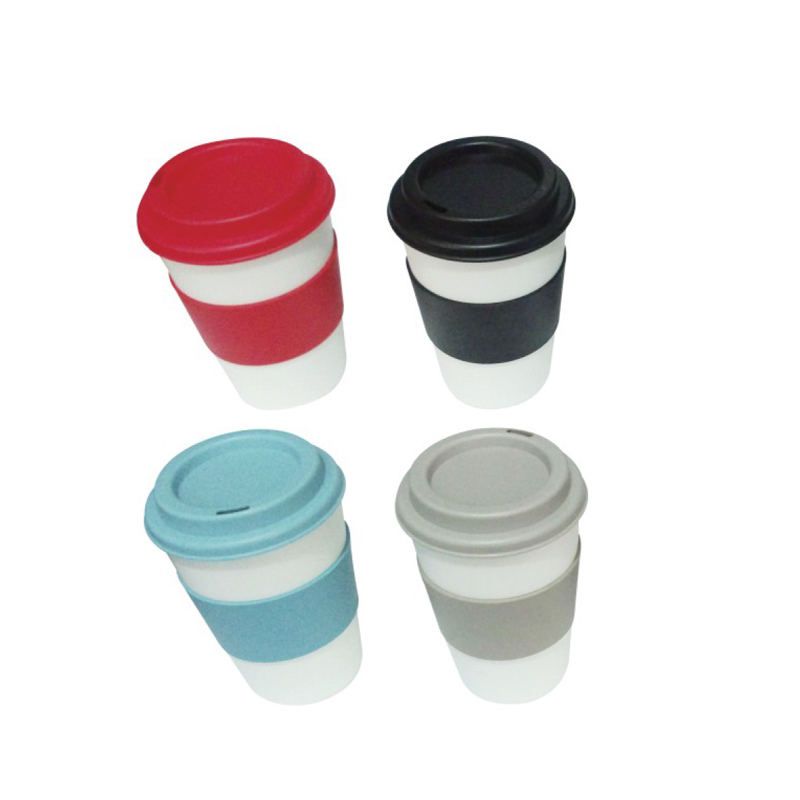
1. Product Overview
The GS040 Coffee Mug is a tableware product made from PP and TPE. Its design focuses on everyday drinking convenience, user comfort, durability in normal household use, and efficient logistics. With 24 pieces packed per carton and a minimum order quantity of 5,000 pieces, the product is positioned for wholesale buyers, supermarkets, chain stores, promotional distributors, hospitality suppliers, and household goods importers.
Unlike fragile ceramic mugs that may break easily during transport or daily handling, this PP and TPE coffee mug is designed around practicality. PP, or polypropylene, is widely used in household products because it is light, moldable, and suitable for repeated daily use. TPE, or thermoplastic elastomer, adds a softer and more flexible touch where required, improving grip, comfort, or protective function depending on the final structure of the mug.
The result is a mug that can serve many market segments. It is suitable for home kitchens, office pantries, outdoor leisure use, travel-related promotions, casual dining environments, and non-breakable tableware collections. For buyers seeking a practical alternative to traditional ceramic or glass mugs, the GS040 provides a useful balance between durability, weight control, visual simplicity, and cost efficiency.
2. Key Product Specifications
The following table summarizes the core product and packing information for the GS040 Coffee Mug.
| Item | Specification |
| Item No. | GS040 |
| Product Name | Coffee Mug |
| Product Category | Tableware |
| Material | PP + TPE |
| Packing Quantity | 24 pieces per carton |
| Carton Measurement | 71.5 x 47.5 x 17.5 cm |
| Net Weight | 4.5 kg per carton |
| Gross Weight | 5.3 kg per carton |
| 20-Foot Container Loading Quantity | 11,300 pieces |
| 40-Foot High Cube Container Loading Quantity | 25,512 pieces |
| Minimum Order Quantity | 5,000 pieces |
| Estimated Delivery Time | 30 days |
These specifications show that the product is not only designed for individual consumer use but also for professional procurement. The carton measurement, weight data, loading quantity, and minimum order quantity provide importers and wholesalers with the information needed for freight planning, warehouse allocation, and distribution cost calculation.
3. Material Advantage: Why PP and TPE Matter
The material selection of PP and TPE gives the GS040 Coffee Mug a clear advantage over many conventional mugs. Ceramic, glass, stainless steel, and single-material plastic mugs each have their own strengths, but PP and TPE offer an appealing combination for buyers seeking lightweight handling, lower breakage risk, flexible design possibilities, and practical daily use.
3.1 Lightweight and Easy to Handle
PP is a lightweight plastic material commonly used in daily necessities and kitchen-related goods. A mug made from PP is easier to carry than many ceramic or glass alternatives. This is especially useful for children, elderly users, office workers, camping consumers, and hospitality environments where many cups need to be moved, cleaned, stacked, or distributed regularly.
For commercial buyers, lightweight construction also helps reduce freight pressure. A carton gross weight of 5.3 kg for 24 pieces indicates efficient handling for warehouse staff and distributors. Lower individual product weight can help optimize transportation efficiency, especially when shipments involve thousands or tens of thousands of units.
3.2 Better Resistance to Breakage During Normal Handling
Traditional ceramic and glass mugs can crack, chip, or shatter when dropped. This creates replacement costs, safety concerns, and customer dissatisfaction. The GS040 Coffee Mug uses PP and TPE, making it more suitable for environments where breakage reduction is important. This advantage is particularly valuable for family households, outdoor events, staff rooms, promotional campaigns, budget-friendly tableware collections, and large-volume distribution.
While every product should be used properly, PP and TPE mugs generally provide more practical resilience than brittle tableware. Buyers who have experienced high breakage rates with ceramic mugs may find this type of construction more suitable for daily necessity markets.
3.3 Comfortable Touch and Functional Grip Potential
TPE offers a softer, more elastic feel than rigid plastic. When integrated into a mug design, it can improve user comfort, provide enhanced grip, and add a more premium tactile experience. This is an important difference from low-cost single-material plastic mugs, which may feel hard, slippery, or basic.
The combination of PP and TPE allows the product to deliver structural firmness and user-friendly touch in one design. For consumers, this can mean a mug that feels easier to hold. For brand owners, it provides a stronger selling point in retail packaging and product descriptions.
3.4 Design Flexibility for Market Customization
PP and TPE are suitable for injection molding processes, which makes them appropriate for scalable production and design variation. Depending on customer requirements, color selection, surface finish, packaging style, and promotional presentation can be adjusted. This gives importers and retailers the ability to create product lines that match local market preferences.
For example, neutral colors may suit office and hospitality buyers, while bright colors may appeal to children’s tableware or outdoor leisure products. Matte finishes can communicate a modern lifestyle feel, while colorful combinations may work well for supermarket promotions. The material structure supports practical design flexibility without sacrificing mass-production efficiency.
4. Advantages Over Competing Mug Options
The GS040 Coffee Mug stands out because it answers several common problems found in competing tableware products. It is not simply a low-cost alternative; it is a practical choice for buyers who need a balance of performance, shipping efficiency, manufacturing reliability, and everyday usability.
4.1 Compared with Ceramic Mugs
Ceramic mugs are familiar and widely used, but they are heavy and fragile. They require protective packing, careful handling, and higher breakage allowance during transportation. For wholesale buyers, breakage can increase hidden costs. For retailers, damaged inventory reduces profit margins. For end users, cracked or chipped mugs may become unsafe or unattractive.
The GS040 Coffee Mug offers a more practical alternative where breakage reduction and lightweight handling are priorities. It is especially suitable for markets that require economical tableware, promotional mugs, outdoor products, student supplies, staff cafeteria items, and casual home use.
4.2 Compared with Glass Mugs
Glass mugs provide visual clarity but are vulnerable to impact. They can also become slippery when wet and may not be ideal for young users or busy commercial environments. The PP and TPE construction of the GS040 Coffee Mug provides a more forgiving user experience. It can be handled more confidently in daily routines, especially in places where speed, movement, and repeated washing are common.
4.3 Compared with Stainless Steel Mugs
Stainless steel mugs are durable but often cost more and may not suit all beverage occasions. They can transmit heat or cold differently depending on structure and may feel industrial rather than homely. The GS040 Coffee Mug is positioned as a lightweight daily tableware product with a friendlier feel. It is more suitable for buyers who want a casual, approachable, and economical mug for broad consumer use.
4.4 Compared with Ordinary Plastic Mugs
Some plastic mugs are made from simple single-material structures and may lack comfort, grip, or visual value. The use of PP and TPE gives the GS040 an advantage by combining rigidity with a more user-friendly touch. This material combination can help the product stand out in a category where many low-end items look and feel similar.
For retailers, this difference matters because consumers often make quick decisions based on hand feel, color, weight, and perceived quality. A mug that feels better in the hand has a higher chance of being chosen over a basic plastic alternative.

5. Practical Applications
The GS040 Coffee Mug can be used across a wide range of daily and commercial scenarios. Its material, packing method, and order structure make it especially attractive for volume buyers.
5.1 Household Kitchens
In family kitchens, a mug must be convenient, reliable, and easy to handle. The GS040 Coffee Mug is suitable for coffee, tea, milk, water, and other daily beverages. Its lightweight structure makes it convenient for everyday use, and its lower breakage risk compared with ceramic or glass makes it useful in busy homes.
5.2 Offices and Staff Rooms
Offices often need large numbers of mugs for employees, meeting rooms, and pantry areas. A lightweight PP and TPE mug can reduce concerns about breakage and replacement. It can also be easier to store and distribute than heavier tableware. For company procurement, the product provides a balance between function and cost control.
5.3 Hotels, Restaurants, and Casual Dining
Although premium ceramic tableware is common in many hospitality environments, casual dining areas, staff canteens, outdoor breakfast services, and budget accommodations may prefer practical mugs that are easier to manage. The GS040 Coffee Mug can fit these settings where durability, cost control, and handling efficiency matter.
5.4 Outdoor and Leisure Use
Outdoor consumers often avoid glass and ceramic because of breakage risks. A lightweight PP and TPE mug can be useful for camping, picnics, garden parties, caravans, student dormitories, and travel-related promotions. Its practical structure makes it easier to pack, carry, and use in informal environments.
5.5 Promotional and Gift Programs
Coffee mugs are frequently used in promotional campaigns. However, shipping ceramic mugs for promotional programs can be expensive and risky because of breakage. A PP and TPE mug gives promotional distributors a practical alternative. Depending on customer requirements and production arrangements, colors and packaging may be adjusted to fit campaign themes.
6. Manufacturing Strength Behind the Product
A product’s value is not determined only by its design. It also depends on the manufacturing system behind it. The GS040 Coffee Mug is supported by a manufacturer experienced in household products, kitchen appliances, tableware-related goods, and international supply. The company behind the product designs, develops, and manufactures a wide range of small kitchen appliances and daily necessity items, including blenders, slicers, choppers, food processors, grills, hot pots, air fryers, air ovens, ice buckets, beverage dispensers, pitchers, slicers, graters, and related household goods.
This broad product background is important because it shows manufacturing versatility. A company that works with kitchen appliances and household products must understand user safety, material selection, tooling precision, assembly discipline, quality inspection, and export packaging. These capabilities also benefit tableware products such as the GS040 Coffee Mug.
6.1 Product Development Experience
The manufacturer has a long history of developing innovative household products for international customers. Its background includes experience with TV shopping products, supermarket supply, kitchen tools, food preparation items, and electric kitchen appliances. This history helps the company understand how products must perform not only in the factory but also in retail channels and daily consumer use.
For the GS040 Coffee Mug, this development experience means the product is created with attention to real market requirements. Buyers need items that are easy to explain, easy to ship, easy to store, and easy to sell. Consumers need items that are comfortable, practical, and reliable. A manufacturer familiar with both sides can design products that support commercial success.
6.2 Engineering and Tooling Capability
The company has an established research and development team. Engineering capability is especially important for PP and TPE products because material behavior, mold design, injection temperature, shrinkage control, bonding compatibility, and surface finishing all affect final quality.
Tooling precision determines whether the mug has smooth edges, stable dimensions, consistent wall thickness, and a comfortable hand feel. Poor tooling can create flash, uneven surfaces, deformation, weak areas, or unstable appearance. By applying professional tooling and engineering review, the manufacturer can reduce these risks and improve batch consistency.
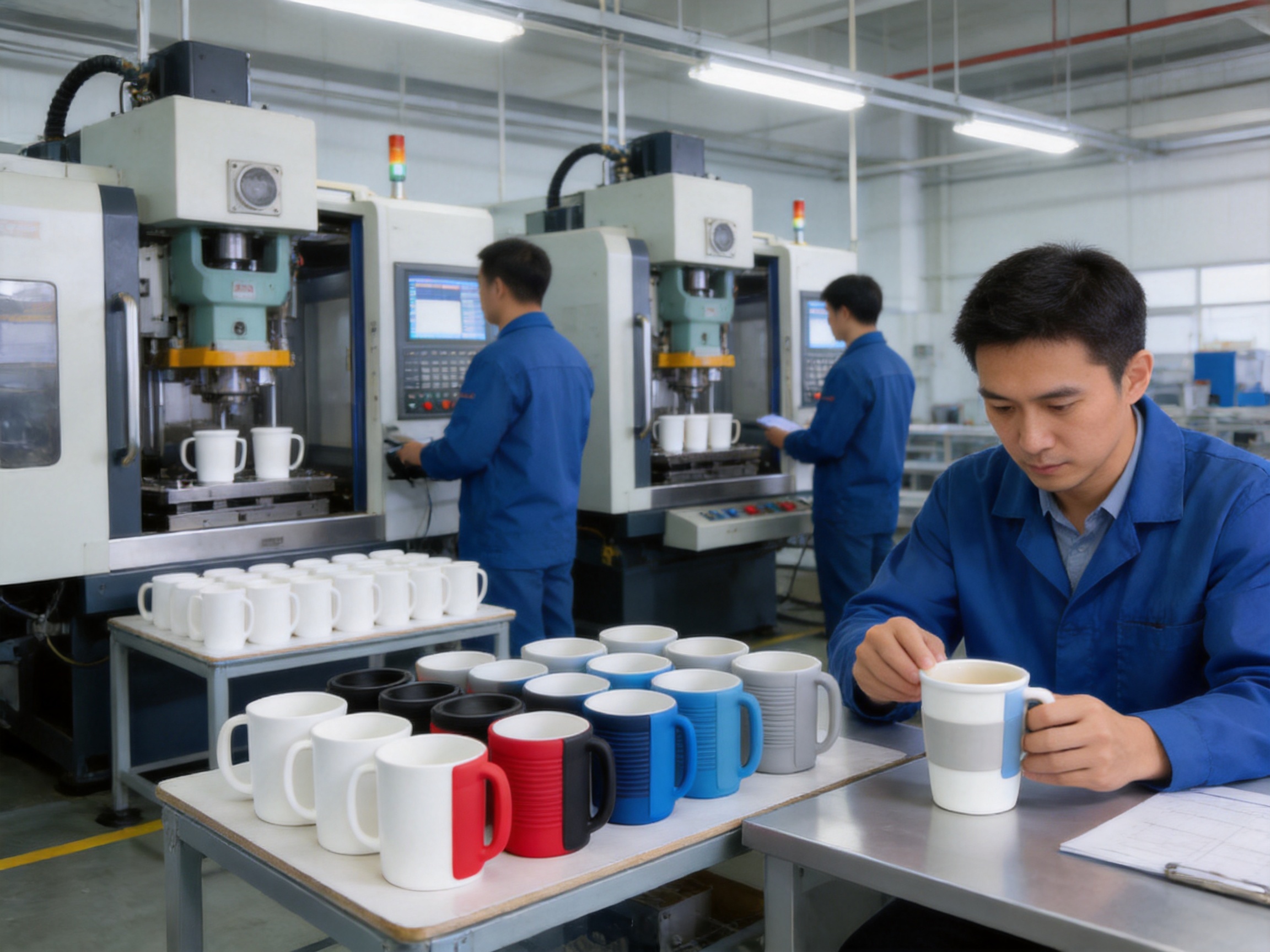
6.3 Injection Molding Process Control
PP and TPE products are commonly manufactured through injection molding or related plastic forming processes. In this process, plastic material is heated, injected into a mold, cooled, and released as a finished component. Although the process may sound straightforward, stable production requires careful control.
Important factors include raw material preparation, drying or conditioning where required, temperature setting, injection pressure, cooling time, mold maintenance, part ejection, trimming, inspection, and packing. If these factors are not controlled, products may show warping, sink marks, color variation, rough edges, or dimensional inconsistency.
The manufacturer’s experience with household products and kitchen appliance components supports disciplined process control. This is particularly valuable for high-volume orders where each batch must match buyer expectations.
6.4 TPE Integration and Comfort-Focused Design
The use of TPE requires knowledge beyond ordinary plastic molding. TPE must be selected and processed correctly to achieve the desired softness, flexibility, grip, and appearance. When combined with PP, compatibility and molding conditions must be considered carefully.
A well-managed PP and TPE structure can improve the mug’s comfort and usability. A poorly managed one may result in weak adhesion, inconsistent texture, or surface defects. Manufacturing expertise helps ensure that the material combination supports product performance rather than becoming a quality risk.
6.5 Quality Control Team and Inspection Discipline
The company operates with dedicated quality control personnel. Quality control is essential for tableware products because consumers interact directly with the item every day. Even small defects can affect perceived value. Common inspection points include product appearance, edge smoothness, color consistency, structural stability, packing accuracy, carton strength, weight checking, and order quantity verification.
For export buyers, quality control also reduces communication costs. When inspection procedures are clear, buyers can have greater confidence that the shipment will match approved samples and purchase order requirements. This is especially important for orders at the scale of 5,000 pieces or more.
6.6 Scalable Production Capacity
The manufacturing base has expanded over time and operates with a large production area and an experienced workforce. The company has developed from non-electric innovative products into electric kitchen appliances and broader household product manufacturing. This growth reflects production organization, investment in facilities, and accumulated export experience.
For the GS040 Coffee Mug, scalable capacity matters because buyers often need timely delivery for seasonal promotions, retail planograms, catalog launches, or distribution schedules. The product’s stated delivery time of 30 days gives buyers a planning reference. Combined with the loading quantities for 20-foot and 40-foot high cube containers, the product is suitable for structured procurement programs.
7. Logistics and Packing Advantages
Product quality is only one part of international procurement. Packing, carton configuration, container loading, and delivery predictability are also critical. The GS040 Coffee Mug provides clear logistical data, which helps buyers estimate landed cost and plan stock flow.
7.1 Efficient Carton Quantity
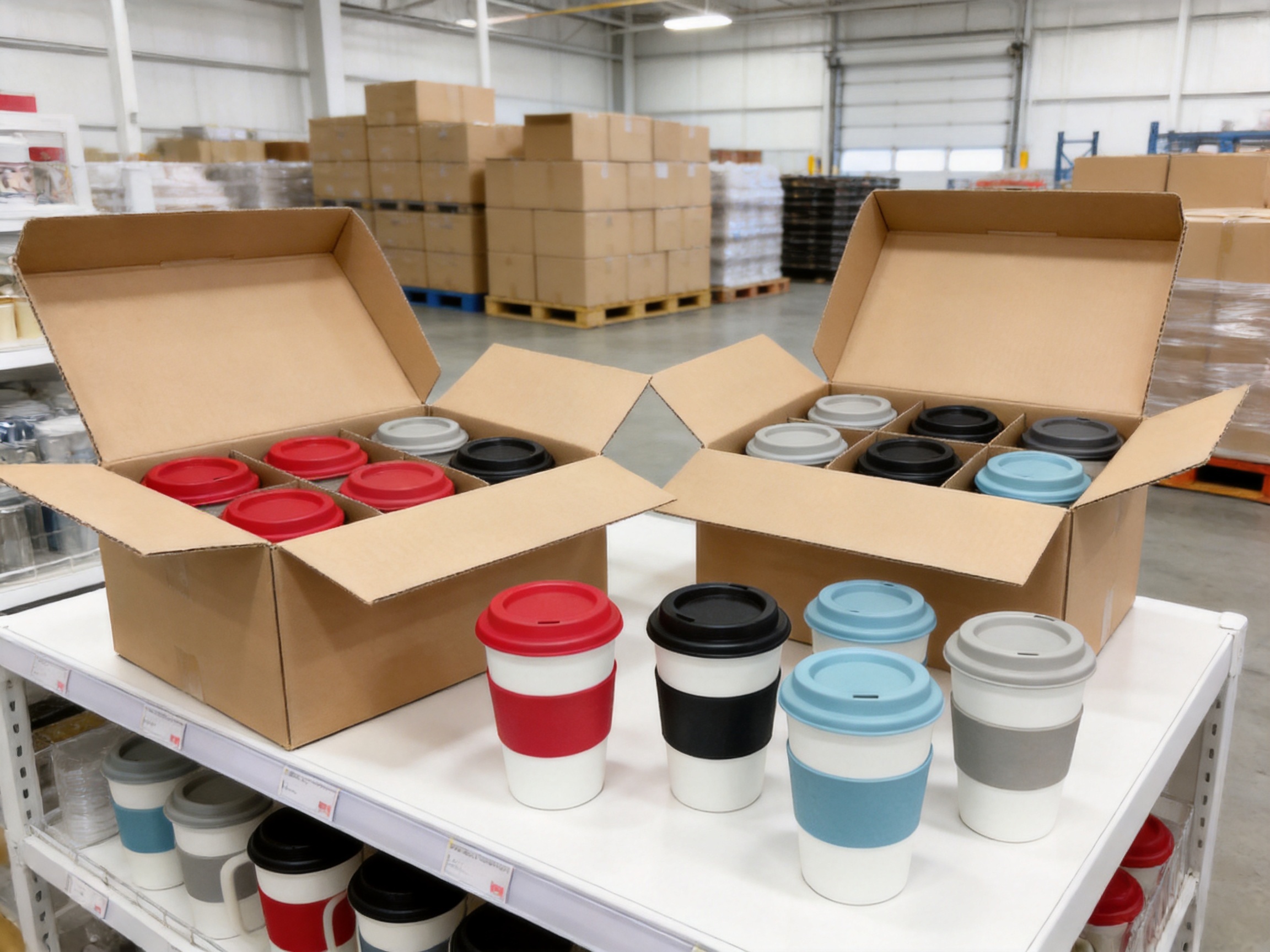
Each carton contains 24 pieces. This is a practical quantity for warehouse handling and distribution. It is not so heavy that cartons become difficult to move, and it is not so small that packing becomes inefficient. With a gross weight of 5.3 kg, the carton can be handled conveniently in normal warehouse conditions.
7.2 Container Loading Planning
The product information provides loading quantity for a 20-foot container and a 40-foot high cube container. A 20-foot container can load approximately 11,300 pieces, while a 40-foot high cube container can load approximately 25,512 pieces. This information is valuable for importers calculating freight cost per unit and planning order volume.
Container loading efficiency can strongly influence final pricing. A lightweight and carton-efficient product can help buyers improve cost control compared with heavier or more fragile alternatives that require more protective space.
7.3 Reduced Breakage-Related Waste
Fragile mugs often require foam, dividers, thick inner boxes, or other protective materials. Even then, breakage may occur. A PP and TPE mug can help reduce breakage-related waste and replacement costs. While proper packing remains necessary, the product itself is less vulnerable to cracking than ceramic or glass mugs.
This advantage can support more efficient distribution, especially for buyers shipping to multiple warehouses, stores, or online fulfillment centers.
8. Design Value for Retail and Wholesale Buyers
Retailers and wholesalers need products that can be positioned clearly. The GS040 Coffee Mug can be promoted around several practical selling points: lightweight handling, reduced breakage risk, comfortable material combination, daily usability, and suitable volume pricing.
8.1 Easy Consumer Understanding
Some products require long explanations before consumers recognize their value. A coffee mug is immediately understandable. Everyone knows how to use it. This makes the product ideal for supermarkets, home goods stores, promotional catalogs, and general merchandise channels.
The added value comes from the material and construction. Consumers can quickly notice that it is lighter than ceramic, less fragile than glass, and more comfortable than basic plastic. This makes the selling story simple and effective.
8.2 Suitable for Multi-Pack Programs
The GS040 Coffee Mug can be offered individually or as part of a set depending on buyer requirements. Multi-pack programs are popular in household tableware because families often buy several cups at one time. Offices, dormitories, outdoor users, and hospitality buyers also prefer quantity packs.
The 24-piece carton configuration makes it convenient for buyers to create wholesale packs, retail sets, or bulk distribution formats. Packaging can be arranged according to specific market needs.
8.3 Adaptable to Different Market Levels
The mug can serve entry-level, mid-level, and promotional market segments. With simple color and basic packaging, it can compete in price-sensitive channels. With improved color combinations, labeling, or retail display packaging, it can appeal to lifestyle-oriented consumers. This adaptability gives buyers more flexibility than products locked into a single market position.
9. The Importance of Supplier Reliability
For international buyers, product selection is only the first step. Supplier reliability determines whether the order can be completed successfully. A good supplier must provide accurate information, stable production, responsive communication, quality management, and timely shipment.
The company behind the GS040 Coffee Mug has extensive experience with international customers and retail supply channels. Its history includes cooperation with supermarkets and global household product markets. This experience helps the company understand requirements such as sample confirmation, pre-production review, production inspection, carton marking, shipping schedules, and after-sales communication.
9.1 Experience with Household and Kitchen Categories
The manufacturer’s portfolio includes both electric kitchen appliances and non-electric household products. This combination is valuable because it indicates familiarity with different production systems, component requirements, inspection standards, and customer expectations. A company that produces air ovens, air fryers, food processors, choppers, beverage dispensers, pitchers, slicers, and graters is accustomed to managing practical products used in kitchens and dining spaces.
This category experience supports the development of tableware items such as the GS040 Coffee Mug. It also allows buyers to source related products from one supplier, improving procurement efficiency.
9.2 Research and Development Strength
The company has a dedicated R&D team, including engineers focused on product design and development. This matters for buyers who may need product modification, market-specific colors, adjusted packaging, or new tableware designs. Engineering support can help transform market ideas into manufacturable products.
In competitive markets, buyers often need differentiation. A reliable R&D team can support this by improving product appearance, usability, mold structure, or material selection. The GS040 Coffee Mug benefits from this development culture.
9.3 Quality Control Resources
A dedicated quality control department helps ensure that products are inspected before shipment. For a product such as a coffee mug, quality control is not limited to whether the mug holds liquid. It also includes surface appearance, edge quality, color matching, deformation checking, packing integrity, and carton quantity.
Consistent quality supports brand reputation. If a retailer sells mugs with inconsistent color, rough edges, or poor packaging, consumers may complain or avoid repeat purchases. Good quality control reduces these risks.
9.4 Delivery Commitment
The GS040 Coffee Mug lists a delivery time of 30 days. In international trade, delivery reliability is a major competitive advantage. Late shipments can disrupt seasonal sales, promotional events, and retailer listing schedules. A supplier with organized production planning can help buyers maintain stock continuity and market confidence.
10. Manufacturing Process from Concept to Shipment
To understand why the GS040 Coffee Mug is competitive, it is useful to examine the likely production journey from product concept to finished shipment. A professionally managed mug project generally follows several key stages.
10.1 Product Requirement Confirmation
The process begins with confirming the buyer’s needs. This may include product color, packaging type, quantity, delivery schedule, carton marks, inspection requirements, and any market-specific expectations. Clear confirmation at the beginning prevents errors later in production.
10.2 Material Selection
PP and TPE must be selected according to product performance requirements. Material quality affects strength, appearance, touch, production stability, and user experience. Reliable material sourcing helps maintain batch consistency.
10.3 Mold Preparation
The mold determines the final shape and consistency of the product. Mold accuracy affects dimensions, surface finish, wall thickness, handle shape, and edge quality. Before mass production, mold testing helps identify and correct potential issues.
10.4 Trial Production and Sample Approval
Trial production allows the manufacturer and buyer to check appearance, structure, fit, color, and packaging. Sample approval is an important step before mass production. It creates a quality reference for both sides.
10.5 Mass Production
During mass production, injection molding machines produce components under controlled conditions. Operators and technicians monitor machine settings, cycle time, material flow, and product appearance. Stable production helps ensure that the first carton and the last carton meet the same standard.
10.6 In-Process Inspection
Inspection during production can identify problems early. If defects are found only after production is complete, correction becomes costly and time-consuming. In-process inspection helps maintain efficiency and quality.
10.7 Final Inspection and Packing
Before shipment, finished mugs are checked and packed according to buyer requirements. Carton quantity, carton weight, carton marking, and product appearance are verified. Proper packing protects the product during storage and transportation.
10.8 Shipment Preparation
Finally, shipping documents, container booking, loading plans, and export arrangements are completed. Clear product loading information helps buyers coordinate logistics and receiving schedules.
11. Sustainability and Practical Resource Efficiency
Modern buyers increasingly consider resource efficiency when selecting household products. While every material has environmental considerations, a practical and durable product can contribute to reduced waste when it replaces fragile items that break frequently.
The GS040 Coffee Mug’s lightweight structure may help reduce shipping weight compared with heavier alternatives. Its resistance to ordinary breakage can reduce replacement frequency in suitable use conditions. Its carton-efficient packing supports better logistics planning. These practical factors can contribute to a more resource-conscious procurement strategy.
Buyers can also discuss packaging optimization, carton design, and material documentation with the supplier according to their market requirements. Responsible sourcing often depends on cooperation between buyer and manufacturer, including clear standards, realistic specifications, and proper product use guidance.
12. Competitive Positioning in the Global Tableware Market
The global tableware market is highly competitive. Buyers can choose from ceramic, glass, stainless steel, bamboo fiber blends, melamine, silicone, and plastic products. To succeed, a mug must offer a clear reason to be selected.
The GS040 Coffee Mug is best positioned as a practical, lightweight, less fragile, and volume-friendly tableware solution. It is not intended to imitate premium ceramic porcelain; instead, it competes by solving practical problems. It gives consumers a mug they can use comfortably in everyday environments, while giving buyers a product that can be sourced, shipped, and distributed efficiently.
12.1 Value for Price-Sensitive Channels
Price-sensitive retail channels need products that are economical but still useful. A low price alone is not enough if the product feels poor or breaks easily. The PP and TPE construction helps the GS040 Coffee Mug offer better functional value than many basic alternatives.
12.2 Value for High-Volume Importers
High-volume importers need predictable data. The GS040 provides carton quantity, measurement, weight, loading quantity, minimum order quantity, and delivery time. This makes procurement planning easier and reduces uncertainty.
12.3 Value for Private Label Buyers
Private label buyers often require customization and consistent supply. The manufacturer’s development and production background can support such programs. With suitable communication, buyers can explore color options, packaging concepts, and related product lines.
13. Why the GS040 Coffee Mug Is a Smart Procurement Choice
The GS040 Coffee Mug is a smart procurement choice because it combines daily usefulness with manufacturing practicality. It is simple enough for broad market acceptance yet engineered enough to offer advantages over fragile or basic competing products.
Its PP and TPE construction supports lightweight handling and improved comfort. Its carton configuration supports efficient logistics. Its minimum order quantity and delivery time suit wholesale procurement. Its production background is supported by a manufacturer with experience in kitchen appliances, daily necessities, product development, and export supply.
For buyers seeking a reliable mug for retail, promotion, hospitality, or household distribution, the GS040 deserves attention. It meets the practical needs of everyday users while also addressing the commercial needs of international buyers.
14. Q&A Section
Q1: What is the GS040 Coffee Mug made from?
The GS040 Coffee Mug is made from PP and TPE. PP provides lightweight structure and practical durability, while TPE can improve comfort, grip, and touch depending on the product design.
Q2: How many pieces are packed in one carton?
Each carton contains 24 pieces. The carton measurement is 71.5 x 47.5 x 17.5 cm, with a net weight of 4.5 kg and a gross weight of 5.3 kg.
Q3: What makes this mug different from ceramic or glass mugs?
The main difference is practicality. Ceramic and glass mugs are heavier and more fragile. The PP and TPE construction of the GS040 Coffee Mug helps reduce breakage risk during normal handling and makes the product easier to carry, store, and distribute.
Q4: Is this mug suitable for wholesale and large-volume purchasing?
Yes. The product is designed with wholesale procurement in mind. The minimum order quantity is 5,000 pieces, and the loading quantities are approximately 11,300 pieces for a 20-foot container and 25,512 pieces for a 40-foot high cube container.
Q5: What is the estimated delivery time?
The estimated delivery time is 30 days. Actual arrangements should be confirmed during order discussion according to quantity, customization, packaging, and production schedule.
Q6: Can this product be used in offices or hospitality environments?
Yes. Its lightweight and less fragile structure makes it suitable for offices, staff rooms, casual dining areas, outdoor services, promotional use, and general household settings.
Q7: Why is TPE used with PP?
TPE is softer and more flexible than rigid PP. When combined properly, it can improve the tactile experience and grip comfort of the mug. This gives the product an advantage over ordinary single-material plastic mugs.
Q8: What manufacturing strengths support the product?
The product is supported by a manufacturer with experience in household products, kitchen appliances, product development, injection molding, quality control, export packing, and international supply. The company also has engineering and quality control teams that help maintain stable production standards.
Q9: Is the mug suitable for promotional programs?
Yes. Coffee mugs are popular promotional products, and the GS040’s lightweight, practical structure makes it suitable for campaign distribution. Buyers may discuss color and packaging options according to their project requirements.
Q10: What type of buyer is this product best suited for?
The GS040 Coffee Mug is suitable for importers, wholesalers, supermarket buyers, daily necessity distributors, promotional product suppliers, hospitality procurement teams, and private label household goods brands.
15. Conclusion
The GS040 Coffee Mug proves that even a simple daily product can deliver strong value when it is designed and manufactured with practical needs in mind. Its PP and TPE construction provides a useful balance of light weight, comfort, handling safety, and design flexibility. Compared with ceramic and glass mugs, it offers a more durable and logistics-friendly option for many everyday and commercial settings. Compared with ordinary plastic mugs, it benefits from the enhanced touch and functional potential of TPE.
For buyers, the product’s value extends beyond the mug itself. Clear packing information, container loading data, a 5,000-piece minimum order quantity, and an estimated 30-day delivery time make it easier to plan procurement. Behind the product stands a manufacturer with broad experience in kitchen appliances, daily necessities, R&D, quality control, export supply, and large-scale production. These strengths help ensure that buyers receive not only a useful product but also dependable manufacturing support.
In a competitive tableware market, the GS040 Coffee Mug offers a practical answer to real purchasing challenges. It is lightweight, less fragile, comfortable to use, suitable for volume programs, and backed by manufacturing capabilities that support international trade. For households, offices, hospitality buyers, retailers, and promotional distributors, it represents a smart and versatile tableware solution.
References
1. Rosato, D. V., Rosato, M. G., and Rosato, D. V. Injection Molding Handbook. Springer.
2. Brydson, J. A. Plastics Materials. Butterworth-Heinemann.
3. Harper, C. A. Handbook of Plastics Technologies. McGraw-Hill.
4. Strong, A. B. Plastics: Materials and Processing. Pearson.
5. Ashby, M. F., and Johnson, K. Materials and Design: The Art and Science of Material Selection in Product Design. Butterworth-Heinemann.
6. Norman, D. A. The Design of Everyday Things. Basic Books.