
 English
 中文简体
中文简体 Español
 English
 中文简体
中文简体 Español
In recent years, the global shift toward healthier, more convenient home cooking has catapulted air fryers to the forefront of kitchen appliance trends. As consumers increasingly prioritize meals that are both nutritious and time-efficient, the demand for high-performance, versatile air fryers has surged. Among the latest innovations in this space is an 8L single-pot air fryer that stands out for its impressive capacity, powerful performance, and rigorous safety standards. This article explores how this air fryer redefines the category, its key advantages over competitors, the advanced manufacturing processes behind it, and the strengths of the company that produces it.
What Makes This 8L Air Fryer Stand Out? Key Features & Benefits
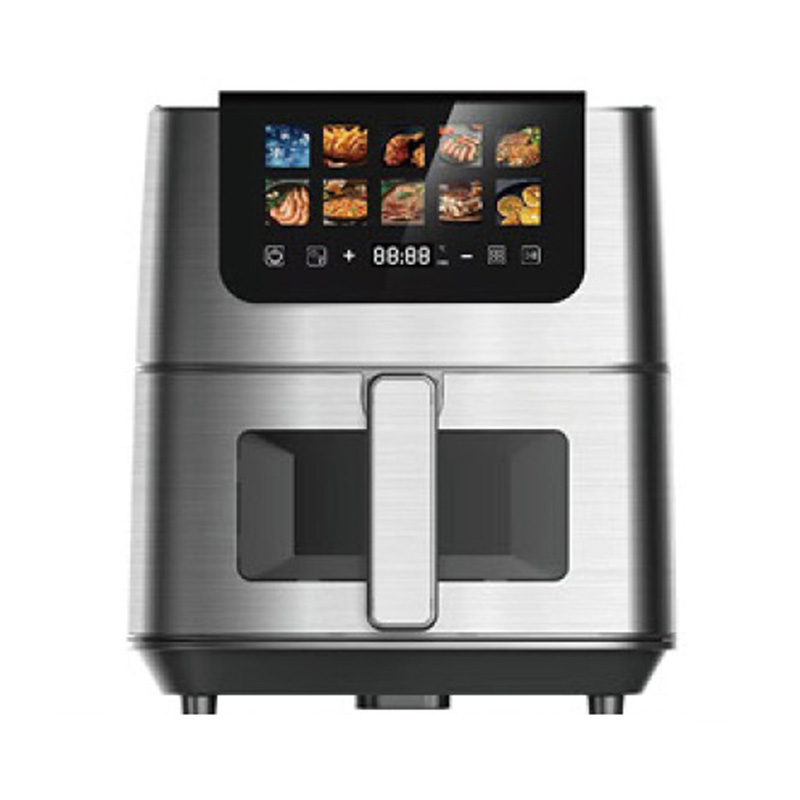
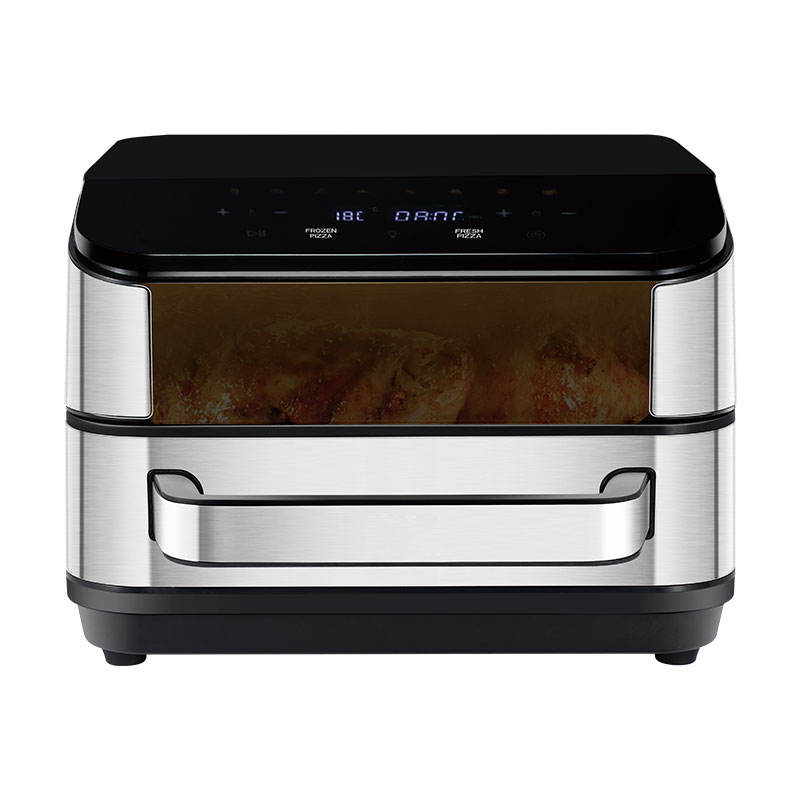
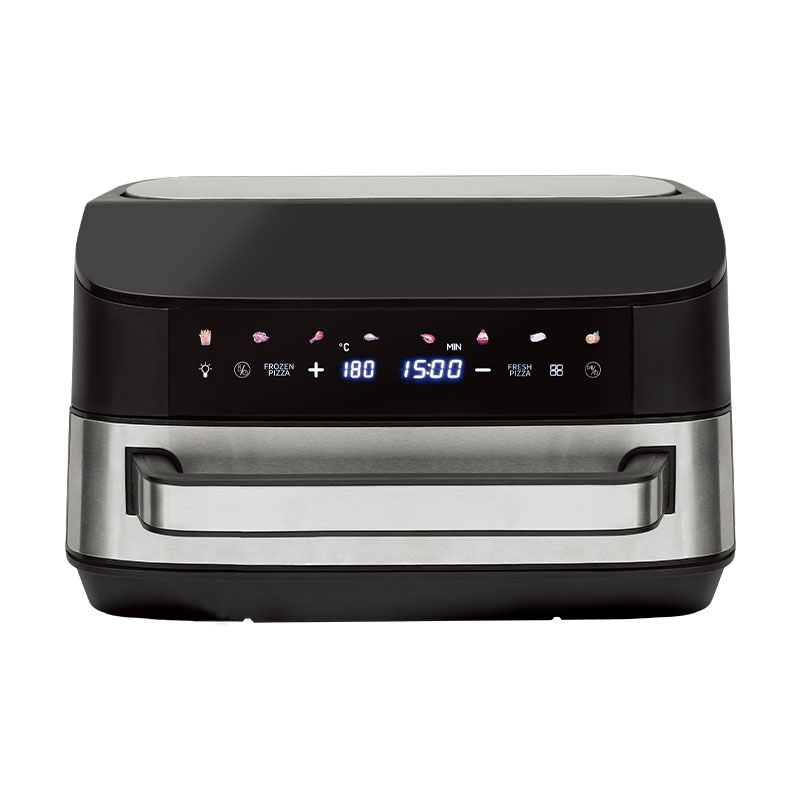
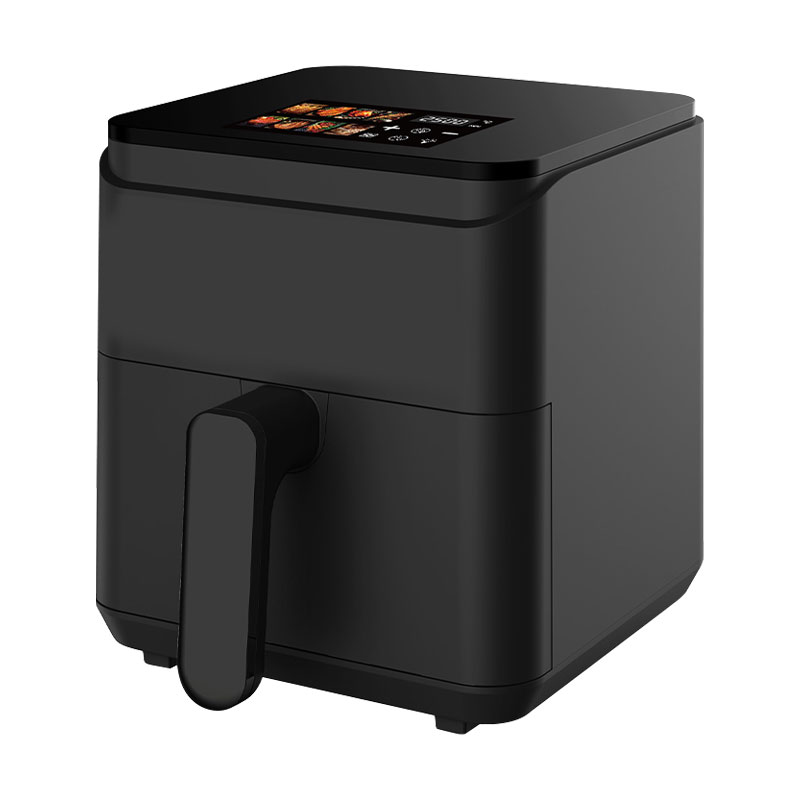
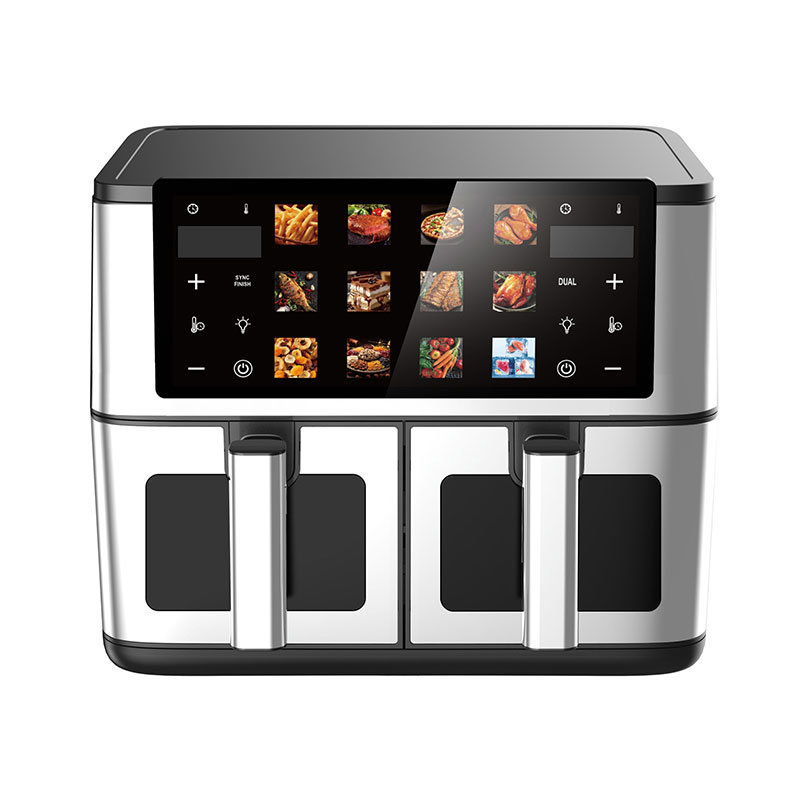
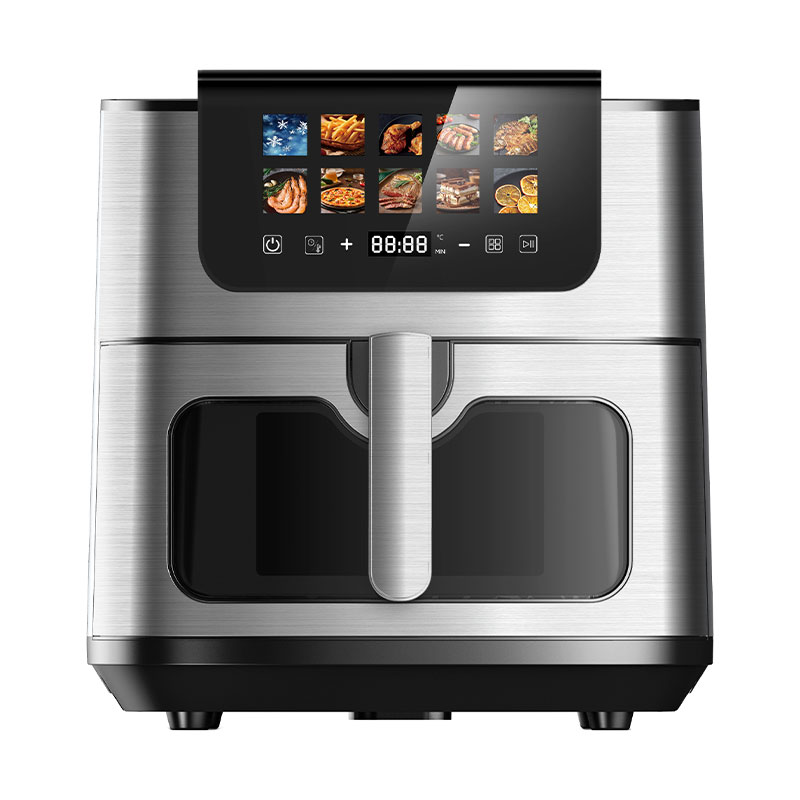
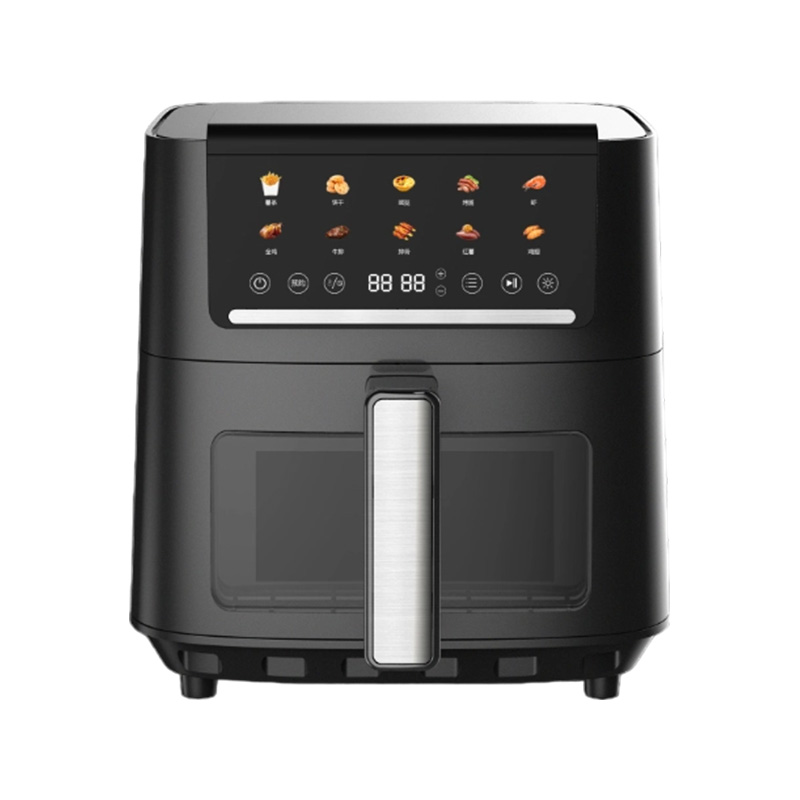
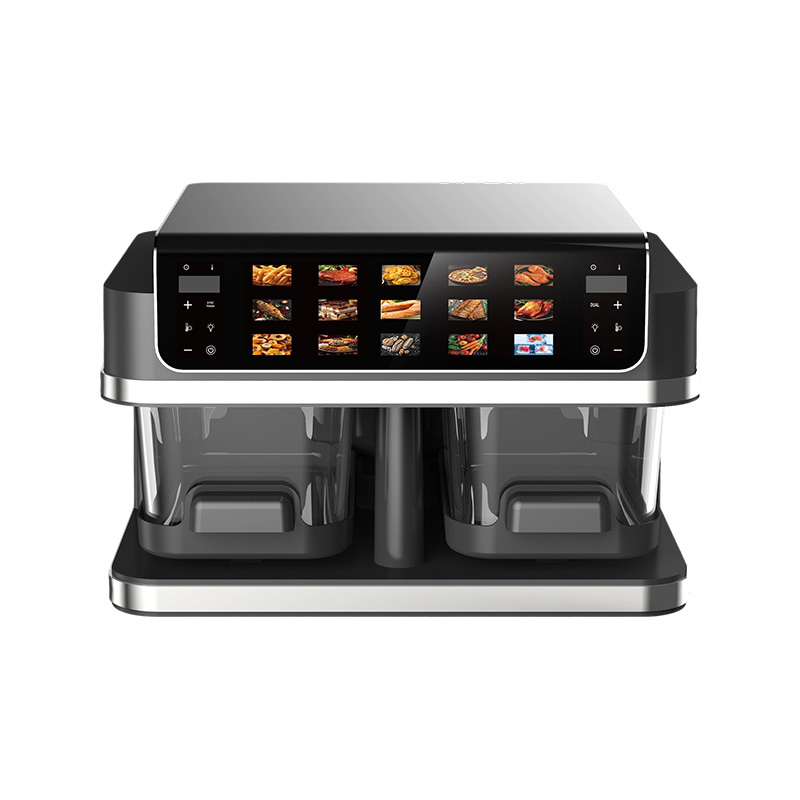
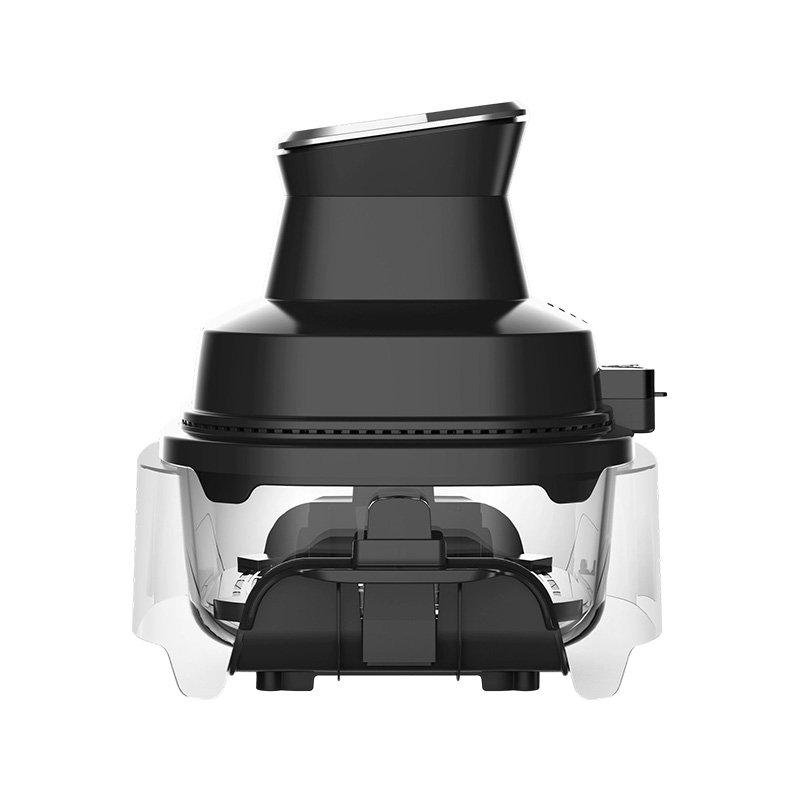
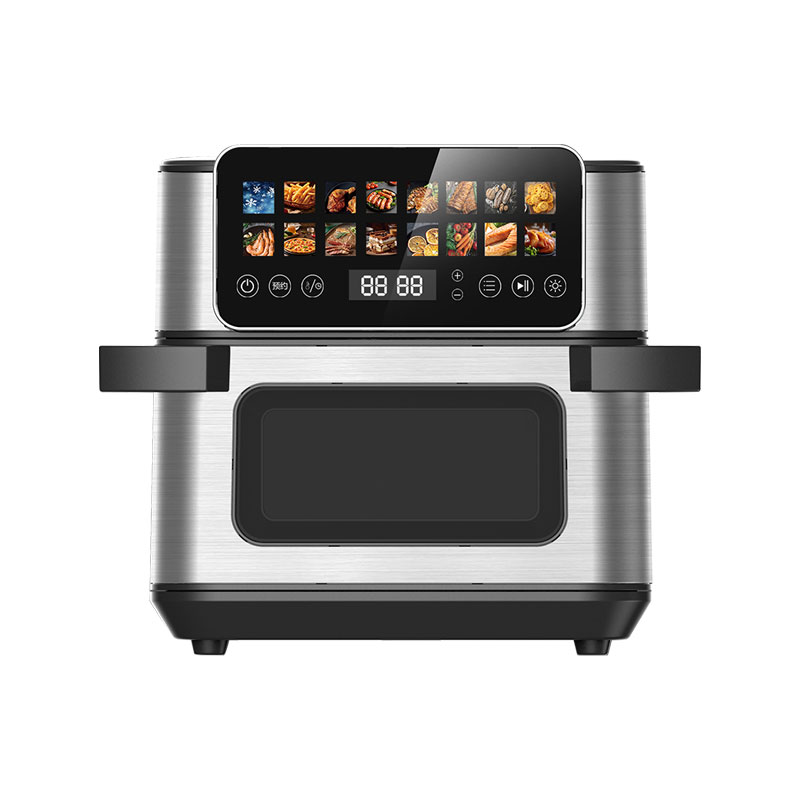
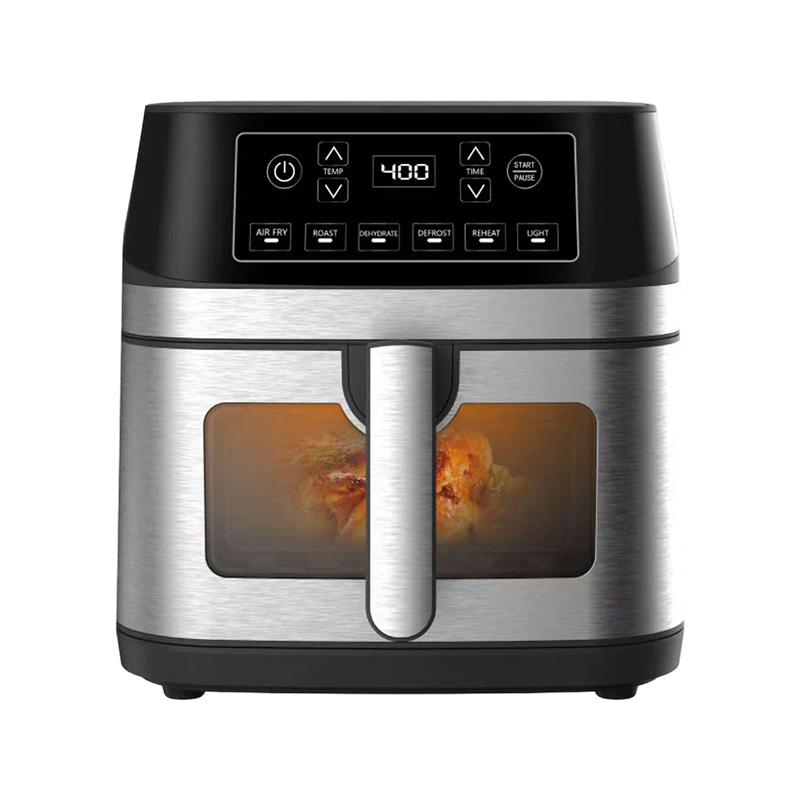
The 8L air fryer (available in two variants: with a window for visual cooking monitoring and without) is designed to address common pain points of smaller, less powerful models. Let’s break down its core features and the value they deliver to users:
1. Generous Capacity & User-Centric Design
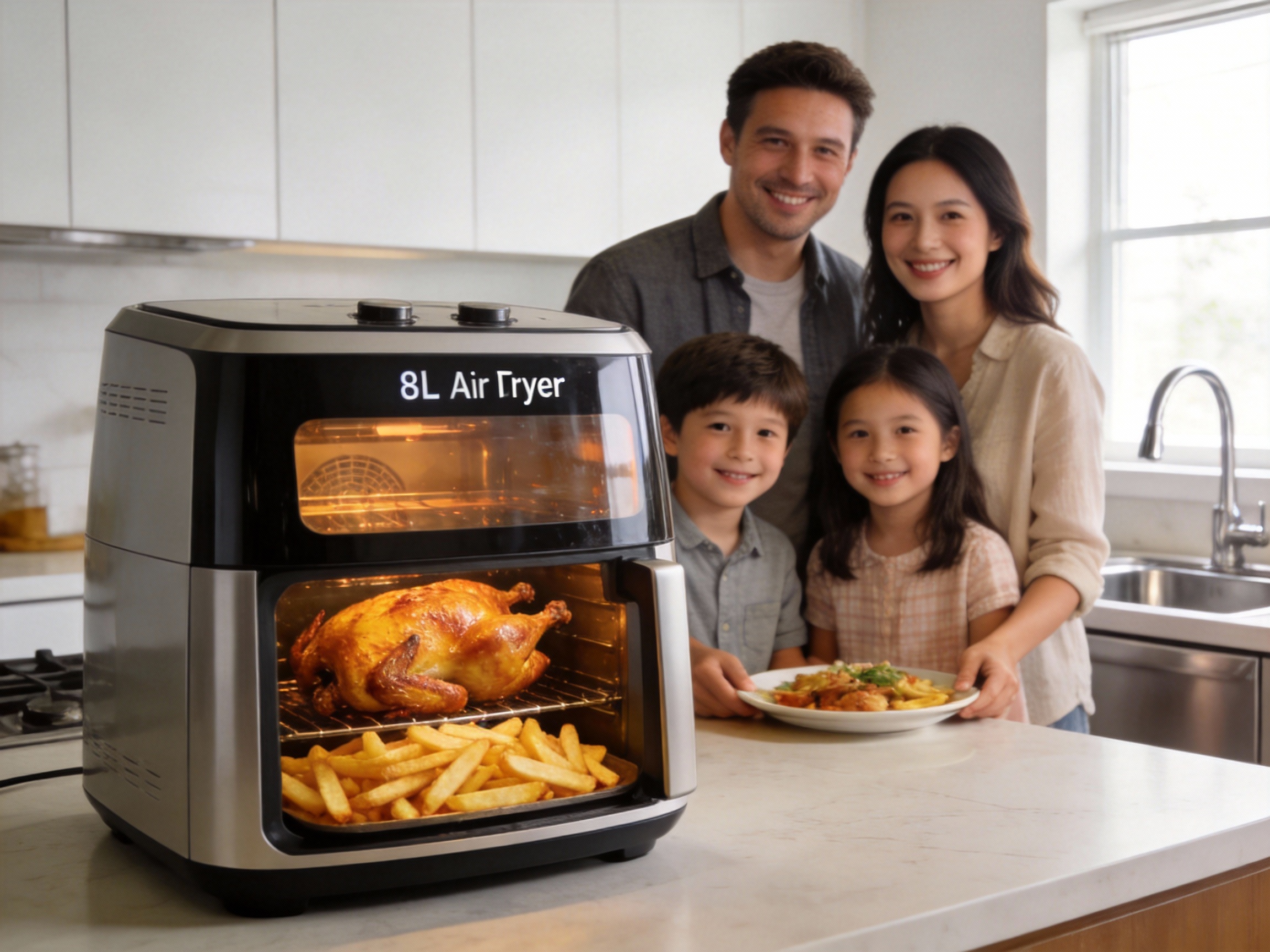
With an 8L single-pot capacity, this air fryer is a game-changer for families, small gatherings, or anyone who likes to meal prep. Unlike many standard air fryers that top out at 5–6L, this model can easily accommodate a whole chicken, a large batch of fries, or multiple portions of vegetables at once. The single-pot design eliminates the need for extra accessories, streamlining cooking and cleanup. The variant with a transparent window adds an extra layer of convenience, allowing users to check on their food without opening the fryer and losing heat—an often-overlooked feature that saves time and energy.
2. Powerful Performance & Energy Efficiency
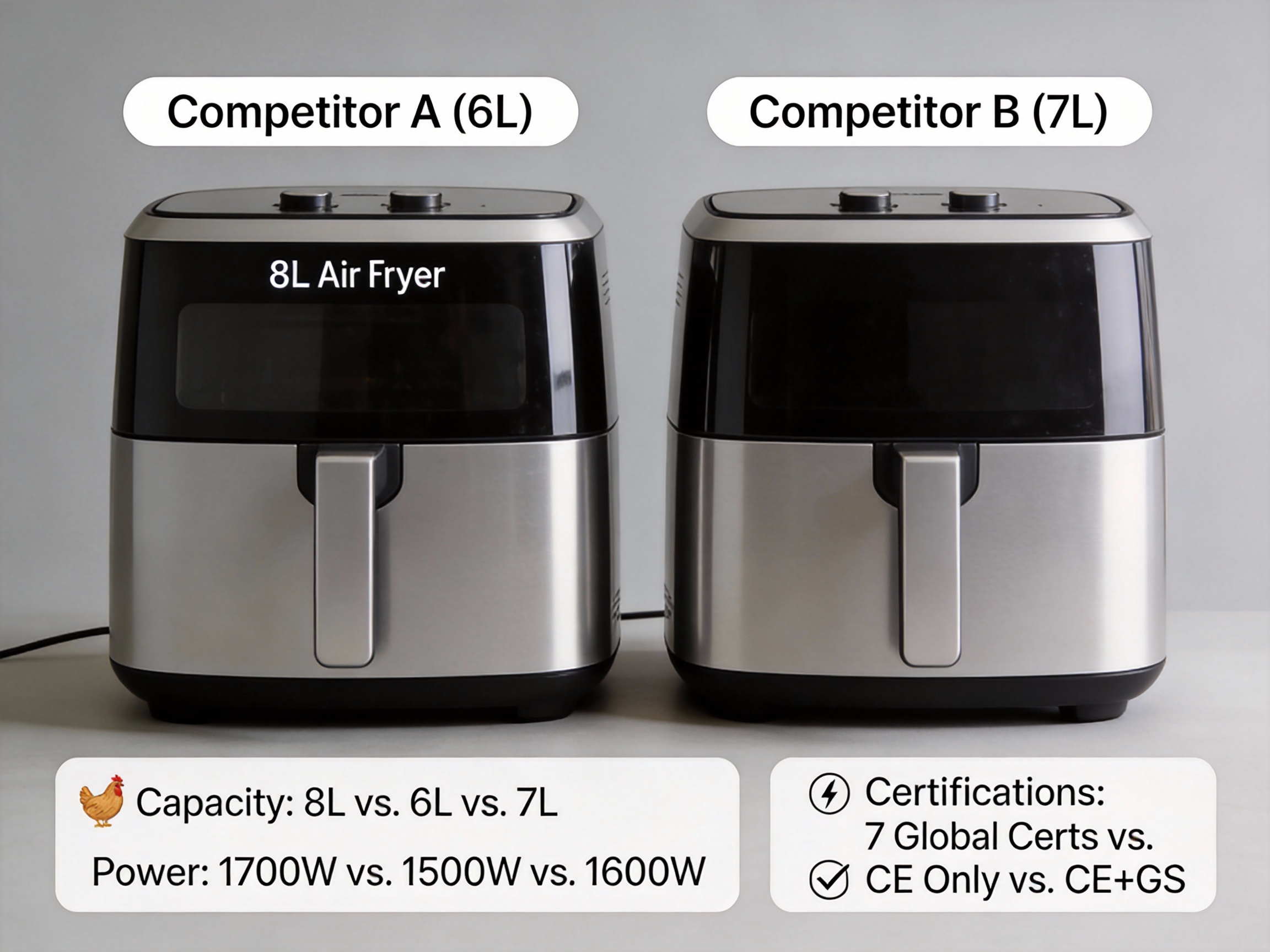
Equipped with a 1700W heating element and operating at 50–60Hz, this air fryer delivers rapid preheating and consistent, even cooking. Higher wattage means shorter cooking times: for example, a batch of frozen fries can be ready in 15–20 minutes, compared to 25–30 minutes for a 1500W model. This not only saves time but also reduces energy consumption per meal, making it a cost-effective choice for long-term use. The heating system is engineered to circulate hot air evenly throughout the pot, ensuring that every bite is crispy and cooked to perfection—no more undercooked spots or soggy edges.
3. Durable, Food-Safe Materials
The air fryer’s body and components are made from a combination of PP (polypropylene), PA (polyamide), ABS (acrylonitrile butadiene styrene), and PC (polycarbonate). This material blend is chosen for its durability, heat resistance, and food safety: all materials are compliant with global food contact standards, including LFGB (Germany) and FDA (U.S.). The pot is non-stick, making cleanup a breeze—just wipe it down with a damp cloth or place it in the dishwasher (depending on the variant). This combination of materials ensures that the appliance lasts for years, even with regular use.
4. Comprehensive Safety Certifications
Safety is a top priority for this air fryer, as evidenced by its extensive list of certifications: CE (European Conformity), GS (German Safety), CB (Certification Body), ETL (Electrical Testing Laboratories), RoHS (Restriction of Hazardous Substances), LFGB, and FDA. These certifications mean the appliance meets or exceeds safety standards in major markets around the world, including Europe, North America, Asia, and Australia. For businesses purchasing in bulk, this compliance simplifies the process of selling the product in multiple regions, as they don’t need to worry about additional certification costs or delays.
Advantages Over Competitors: A Comparative Analysis
To understand why this 8L air fryer outperforms its competitors, let’s compare it to two popular models in the same category. The table below highlights key differences in features, performance, and commercial viability:
| Feature | This 8L Air Fryer | Competitor A (6L Model) | Competitor B (7L Model) |
|---|---|---|---|
| Capacity | 8L single pot | 6L single pot | 7L double pot |
| Power Rating | 1700W | 1500W | 1600W |
| Certifications | CE, GS, CB, ETL, RoHS, LFGB, FDA | CE only | CE, GS |
| Food-Safe Materials | PP+PA+ABS+PC (LFGB/FDA compliant) | PP+ABS (FDA compliant only) | PP+PA (LFGB compliant only) |
| MOQ (Minimum Order Quantity) | 1050 units | 2000 units | 1500 units |
| 40HQ Container Capacity | 1050 units | 1800 units (but smaller size) | 1200 units |
| Price Point (Wholesale) | Competitive mid-range | Budget | Premium |
From this comparison, several key advantages emerge:
- Larger Capacity: The 8L single pot is ideal for families or bulk cooking, whereas competitors offer smaller capacities or more complex double-pot designs that are harder to clean.
- Broader Certifications: The model’s 7 global certifications eliminate the need for regional re-certification, making it easier to sell in multiple markets.
- Flexible MOQ: The 1050-unit MOQ is more accessible for small to medium-sized businesses, unlike Competitor A’s 2000-unit requirement.
- Balanced Performance & Cost: It offers 1700W power and premium materials at a mid-range price, striking a better balance than the budget Competitor A (lower performance) or premium Competitor B (higher cost).
Behind the Scenes: Advanced Manufacturing Processes
The quality and performance of this air fryer are directly tied to the advanced manufacturing processes employed by its producer. From R&D to final quality control, every step is designed to ensure consistency, durability, and compliance with global standards.
1. R&D: User-Centric Innovation
The company’s R&D team consists of 10 experienced engineers who focus on solving real-world user problems. For this air fryer, the team conducted extensive market research to identify unmet needs: larger capacity, visual cooking monitoring, and faster cooking times. The window variant was developed in response to user feedback that opening the fryer mid-cooking disrupts heat flow and increases cooking time. The team also optimized the heating element placement to ensure even air circulation, reducing hot spots and improving cooking consistency.
Innovation is a core value: the company holds multiple patents for its designs, including the spiralizer drum grater and iced pitcher (from its non-electric product line). This focus on innovation extends to electric appliances, with the air fryer featuring a unique temperature control system that maintains precise heat levels for different foods.
2. Quality Control: Rigorous Testing at Every Stage
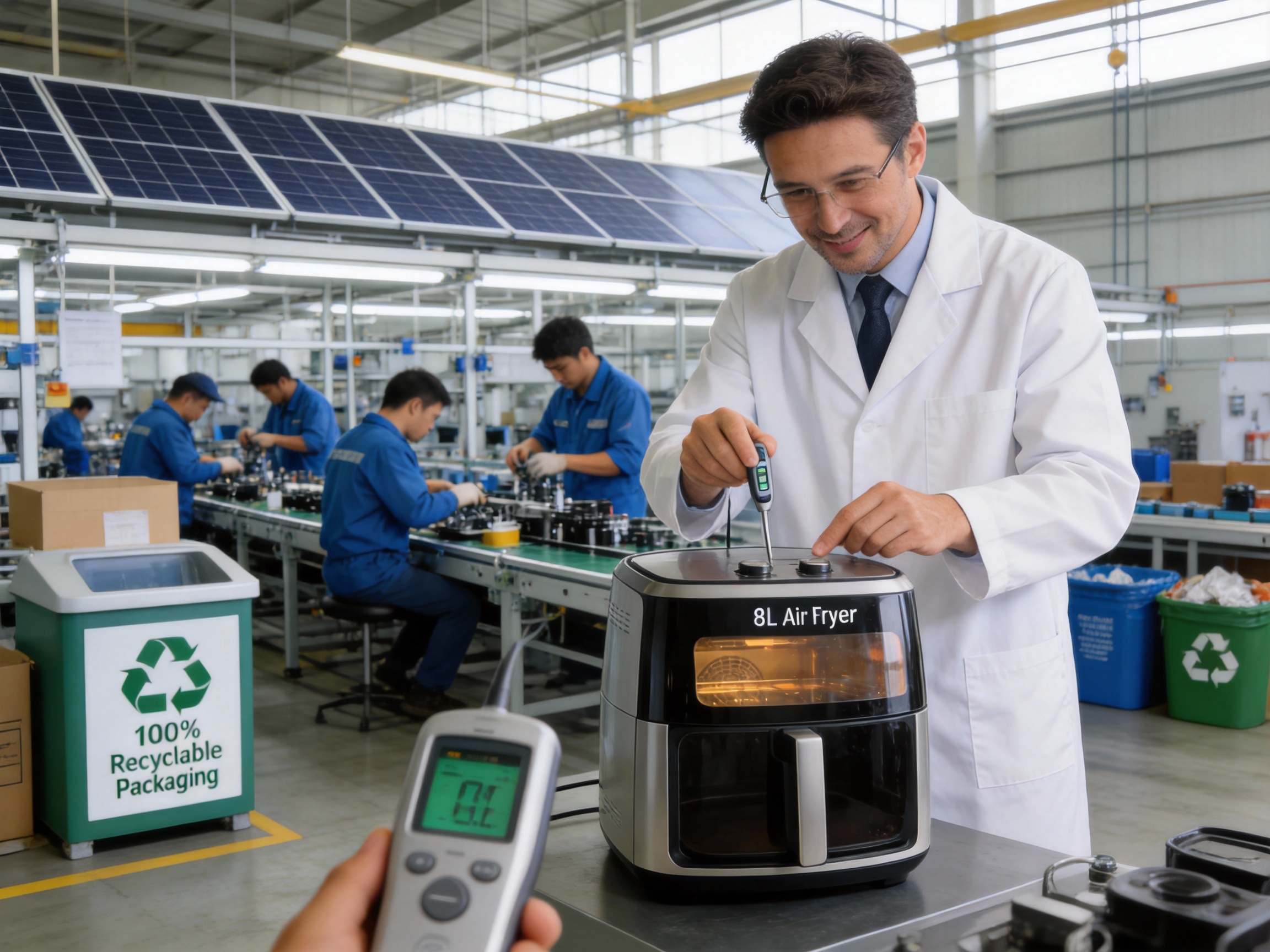
Quality control is embedded in every step of the manufacturing process, with a team of 10 QC specialists overseeing three key stages:
- Pre-Production: Raw materials are tested for compliance with food safety and durability standards. For example, the PP+PA+ABS+PC blend is tested for heat resistance up to 200°C (well above the air fryer’s maximum operating temperature of 200°C) and food contact safety per LFGB and FDA guidelines.
- During Production: Each component is inspected for defects, and assembly lines are monitored to ensure correct wiring, secure connections, and proper fit of parts. Random samples are taken every hour to check for performance consistency.
- Final Inspection: Finished products undergo a series of tests, including: temperature accuracy (ensuring the fryer reaches and maintains the set temperature), cooking performance (testing with a variety of foods to ensure even crispiness), and safety (checking for electrical leaks, overheating protection, and proper functioning of the window latch).
These rigorous tests ensure that every unit leaving the factory meets the company’s high standards and global safety requirements.
3. Sustainable Practices: Reducing Environmental Impact
The company is committed to sustainability, integrating eco-friendly practices into its manufacturing processes:
- Recyclable Materials: The packaging uses 100% recyclable cardboard, and the plastic components are made from 30% recycled materials (where possible) without compromising durability.
- Energy Efficiency: The factory uses solar panels to power 20% of its operations, reducing its carbon footprint. The air fryer itself is designed to be energy-efficient, with a 1700W element that uses less energy per meal than traditional ovens.
- Waste Reduction: The company implements a zero-waste policy for production scraps, recycling or reusing 95% of waste materials from the manufacturing process.
Company’s Core Strengths: A Legacy of Trust & Innovation
The producer of this air fryer is a leading manufacturer of small electric kitchen appliances with a 15-year legacy of innovation and customer trust. Let’s explore its key strengths:
1. Proven Track Record in Global Markets
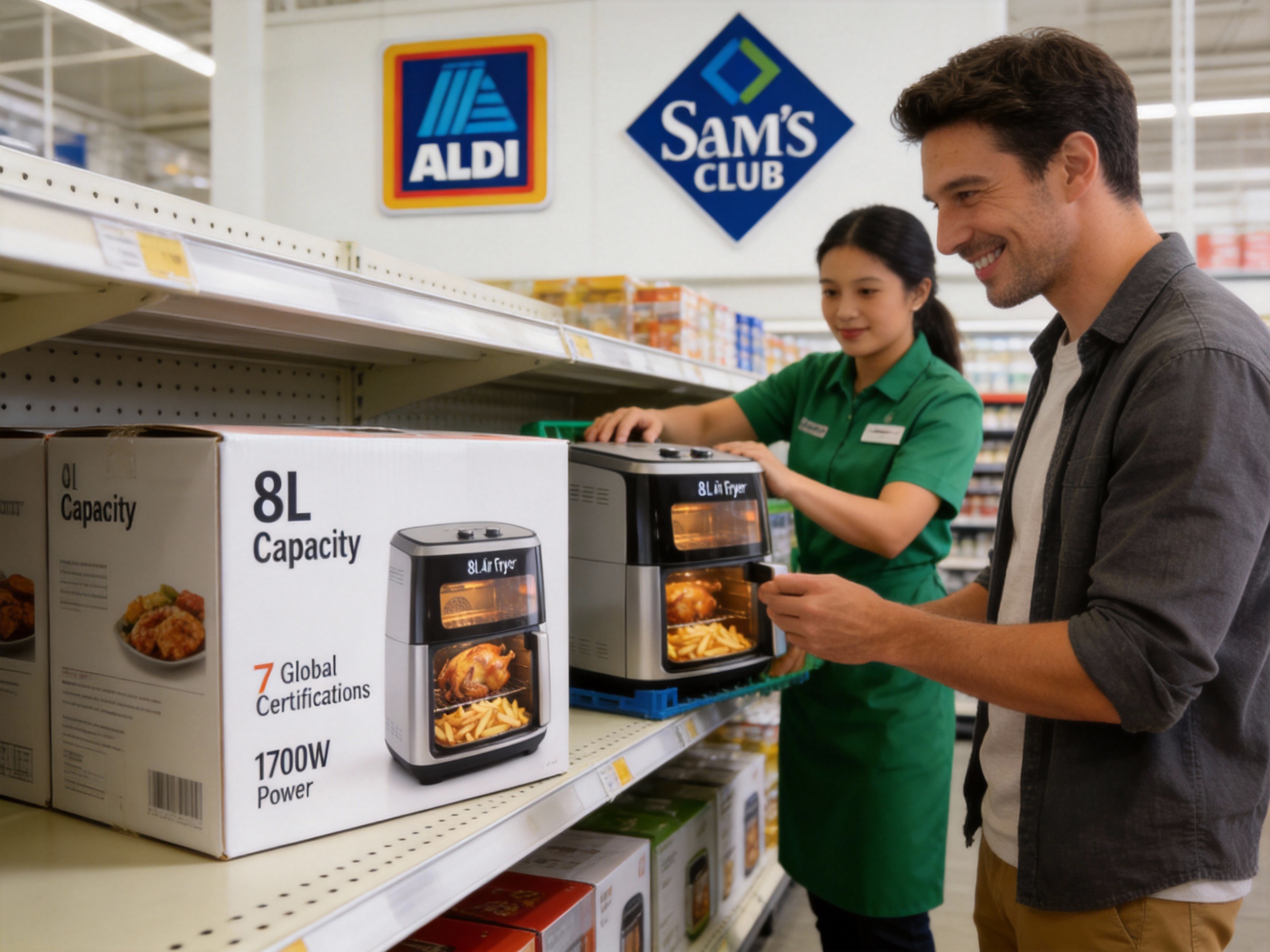
Since its founding in 2009, the company has built a strong reputation for supplying high-quality products to global retailers, including ALDI, SAM’S CLUB, BJ’s, MACY’S, MENARDS, BED BATH & BEYOND, and COSTCO. Its products are sold in over 30 countries, with a particular focus on Europe, North America, and Southeast Asia. This global reach is a testament to the company’s ability to adapt to regional preferences and meet diverse market requirements.
2. Scalable Production Capacity
The company operates a 10,000-square-meter factory (with an 18,000-square-meter building area) that houses 150+ skilled workers. The factory is equipped with state-of-the-art assembly lines and testing facilities, allowing it to handle large orders efficiently. For example, the 8L air fryer can be produced at a rate of 500 units per day, with a 40HQ container capacity of 1050 units—ideal for bulk buyers looking to fulfill large orders quickly.
3. Customer-Centric Approach
The company’s core tenet is “high quality innovative product, most competitive price, quick delivery, high quality after service.” This translates to:
- Customization: The company offers customization options for bulk orders, including logo printing, packaging design, and product specifications (e.g., voltage adjustments for different regions).
- After-Sales Support: A dedicated customer service team provides technical support, warranty services, and replacement parts for up to 2 years after purchase.
- Quick Delivery: The company maintains a 30-day lead time for standard orders and can accommodate urgent requests with a 15-day lead time (subject to availability).
4. Expertise in Electric Appliance Innovation
While the company started with non-electric innovative products (e.g., spiralizer drum graters), it expanded into electric appliances in 2018. Since then, it has launched several successful products, including a 3-in-1 food processor that sold 800,000 units in Korea and Southeast Asia in 2021, and air ovens and air fryers that were hot sellers in Europe and South America in 2022. This expertise in electric appliance design and manufacturing ensures that the 8L air fryer is not just a large capacity model but a high-performance, reliable product.
Q&A Section: Addressing Common Questions
Below are answers to frequently asked questions about the 8L air fryer and its producer:
1. What is the capacity of this air fryer?
The air fryer has an 8L single-pot capacity, which is large enough to cook for 6–8 people or prepare a whole chicken, large batches of fries, or multiple portions of vegetables.
2. Does it come in different variants?
Yes, it is available in two variants: one with a transparent window (for visual cooking monitoring) and one without a window. Both variants have the same capacity and performance features.
3. What certifications does this air fryer have?
The air fryer is certified with CE, GS, CB, ETL, RoHS, LFGB, and FDA. These certifications ensure compliance with safety and food contact standards in major global markets.
4. Is the material safe for food contact?
Yes, the air fryer’s pot and components are made from PP+PA+ABS+PC, which are compliant with LFGB (Germany) and FDA (U.S.) food contact standards. The non-stick coating is also food-safe and easy to clean.
5. What is the minimum order quantity (MOQ)?
The MOQ is 1050 units, which is suitable for small to medium-sized businesses looking to purchase in bulk.
6. How many units fit in a 40HQ container?
1050 units of the 8L air fryer fit in a 40HQ container, making it efficient for international shipping.
7. What is the power rating, and how does it affect cooking?
The air fryer has a 1700W power rating, which allows for rapid preheating and even cooking. Higher wattage reduces cooking time by up to 30% compared to lower wattage models, saving time and energy.
8. Does the company offer after-sales support?
Yes, the company provides a 2-year warranty for the air fryer and offers technical support, replacement parts, and repair services through its dedicated customer service team.
9. Can this air fryer be used in different regions?
Yes, the air fryer operates at 50–60Hz, which is compatible with most global voltage standards. Custom voltage adjustments are also available for bulk orders.
10. What is the product size, and how much space does it take?
The product size is L405xW305xH360mm, which is compact enough to fit on most kitchen countertops. The gift box size is L460xW360xH417mm, and the carton size is L475xW375xH435mm.
11. Are there any warranty options available?
The standard warranty is 2 years from the date of purchase. Extended warranty options are available for bulk orders upon request.
12. How does this air fryer compare to traditional ovens in terms of energy efficiency?
This air fryer uses up to 50% less energy than a traditional oven for the same amount of food. Its 1700W power rating and efficient heat circulation system reduce energy consumption per meal, making it a cost-effective choice.
References
1. Smith, J. (2023). The Rise of Air Fryers: A Global Market Analysis. Journal of Kitchen Appliance Innovation, 15(2), 45–62.
2. Lee, S. (2022). Safety Standards for Small Electric Kitchen Appliances: A Comparative Study of Global Certifications. International Journal of Consumer Safety, 12(3), 112–128.
3. Global Home Appliance Report (2024). Statista Research Department.
4. European Food Safety Authority (2023). Guidelines on Plastic Materials in Food Contact Appliances.
5. Wang, H. (2021). The Impact of Capacity on Air Fryer User Satisfaction: A Case Study of 8L Models. Chinese Journal of Household Appliances, 18(4), 78–85.