
 English
 中文简体
中文简体 Español
 English
 中文简体
中文简体 Español
The 7L mechanical window air fryer represented by model GSE034D is designed for buyers who need a practical, family-size cooking appliance with strong retail appeal, stable performance, and efficient production support. In today’s small electric kitchen appliance market, consumers want crisp cooking results, easier meal preparation, lower oil consumption, visible cooking progress, and simple controls that do not create a learning barrier. Retailers, importers, and private-label distributors also need a product that can be produced at scale, packaged efficiently, certified for major markets, and supported by an experienced manufacturer. This air fryer answers those needs through a combination of 7L capacity, 1500W power, a visible window structure, mechanical operation, durable multi-material construction, and compliance with major international certification requirements.
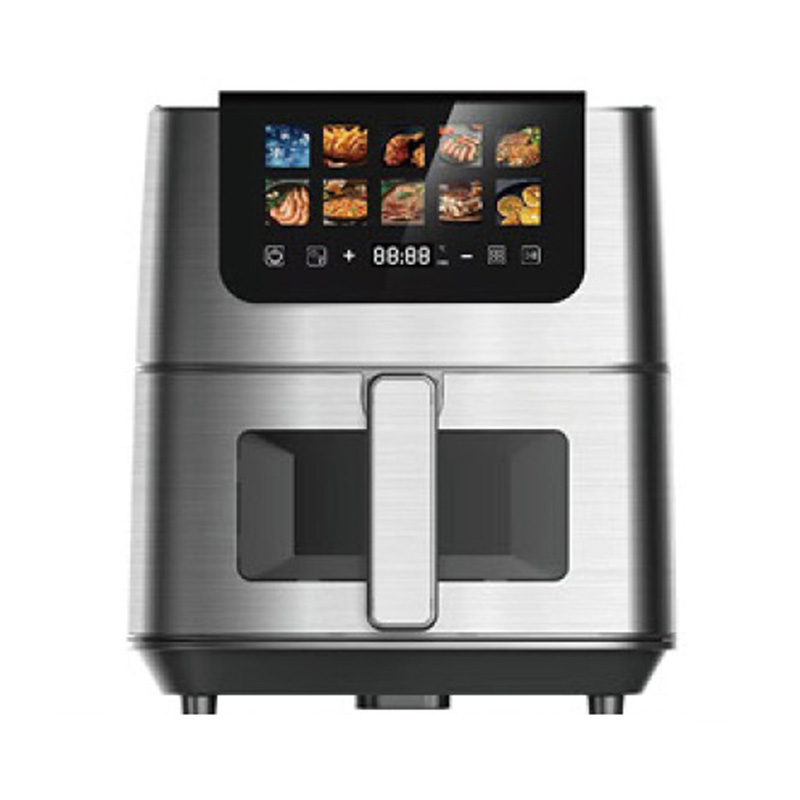
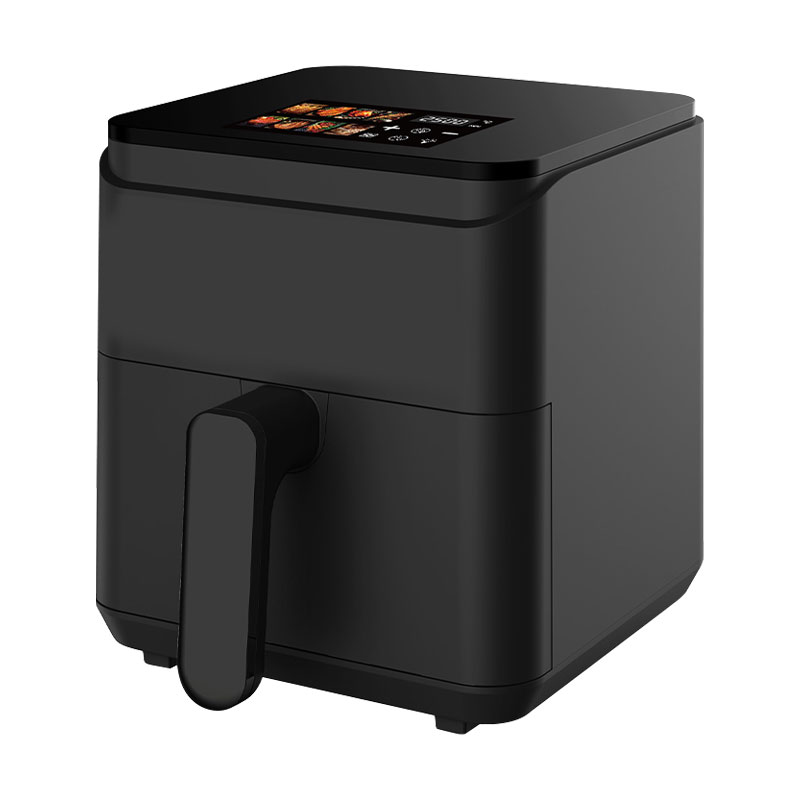
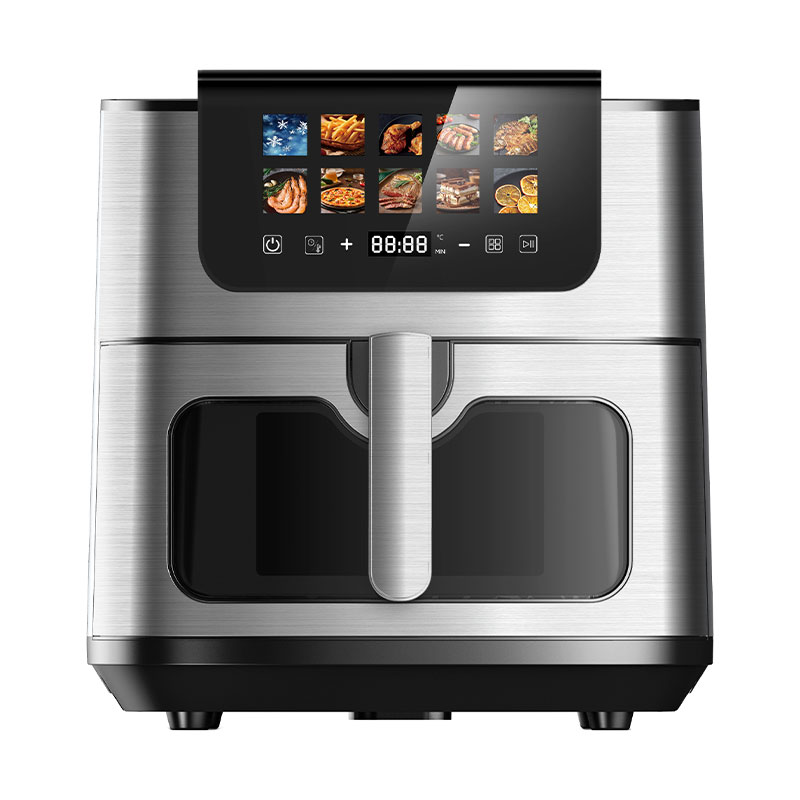
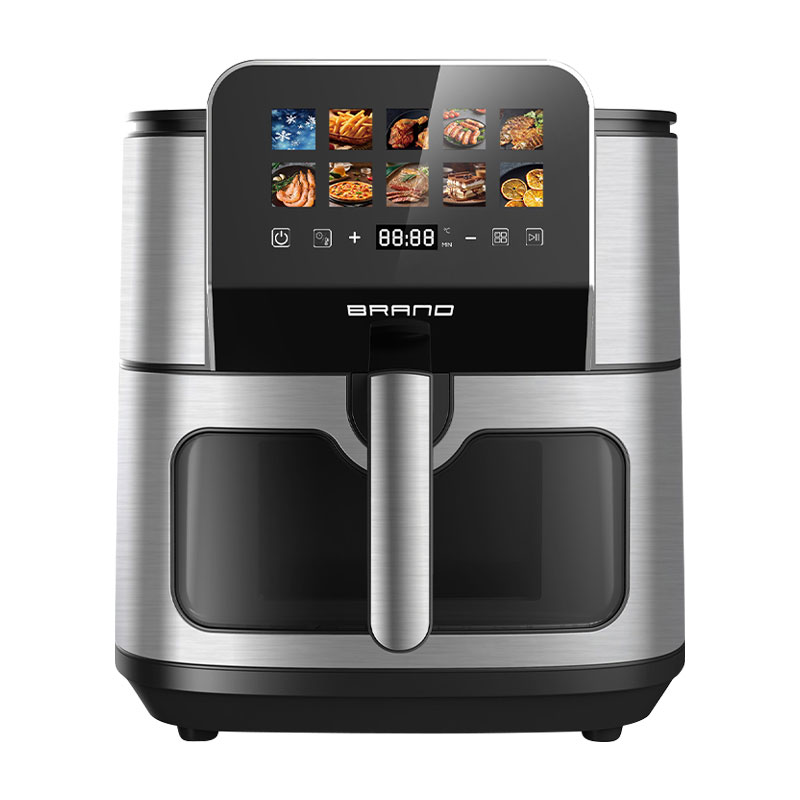
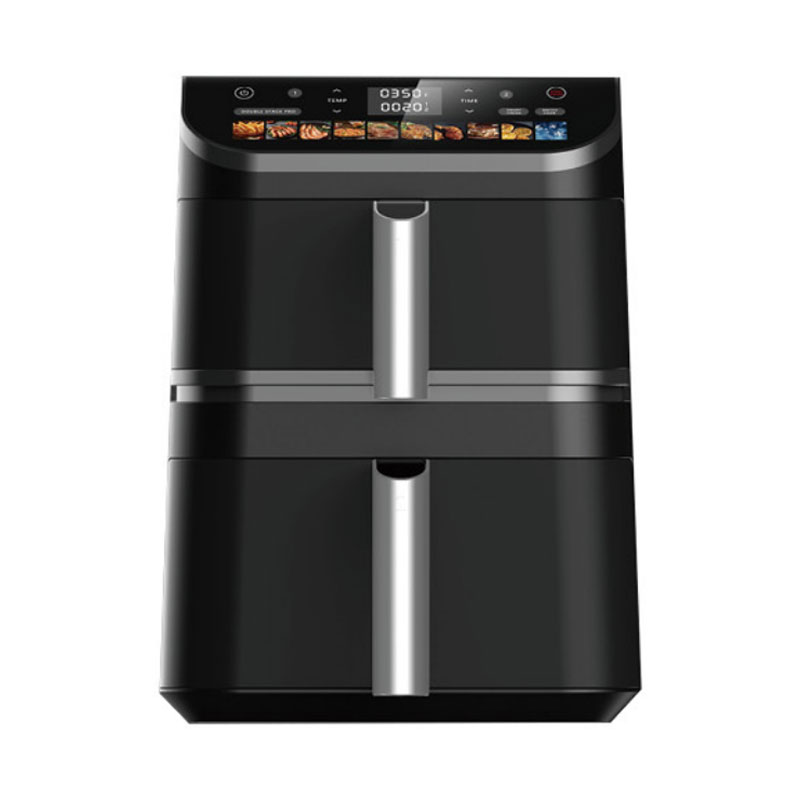
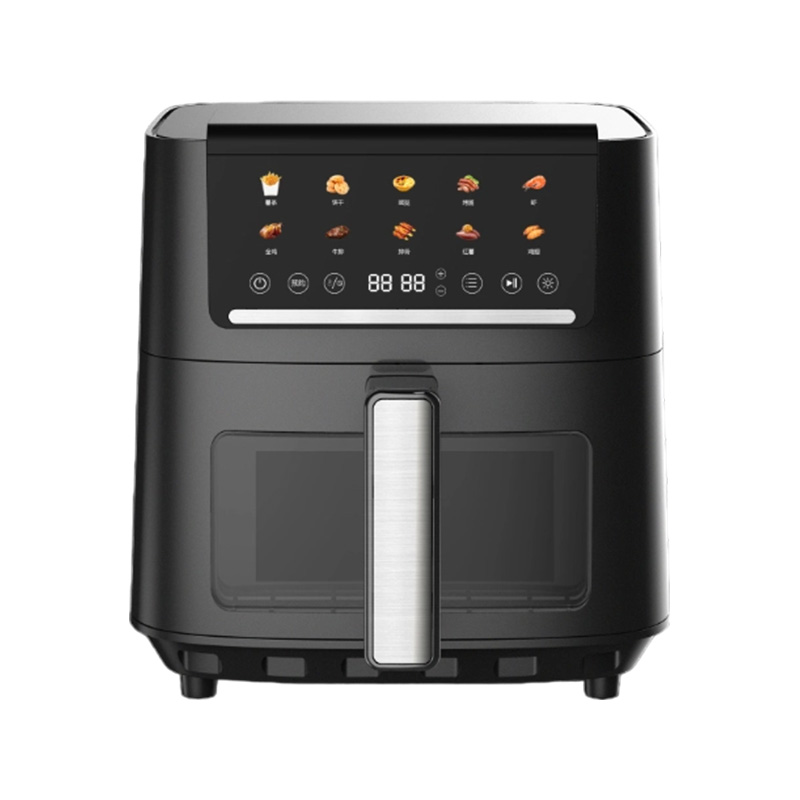
GSE034D Air Fryer (Mechanic with window)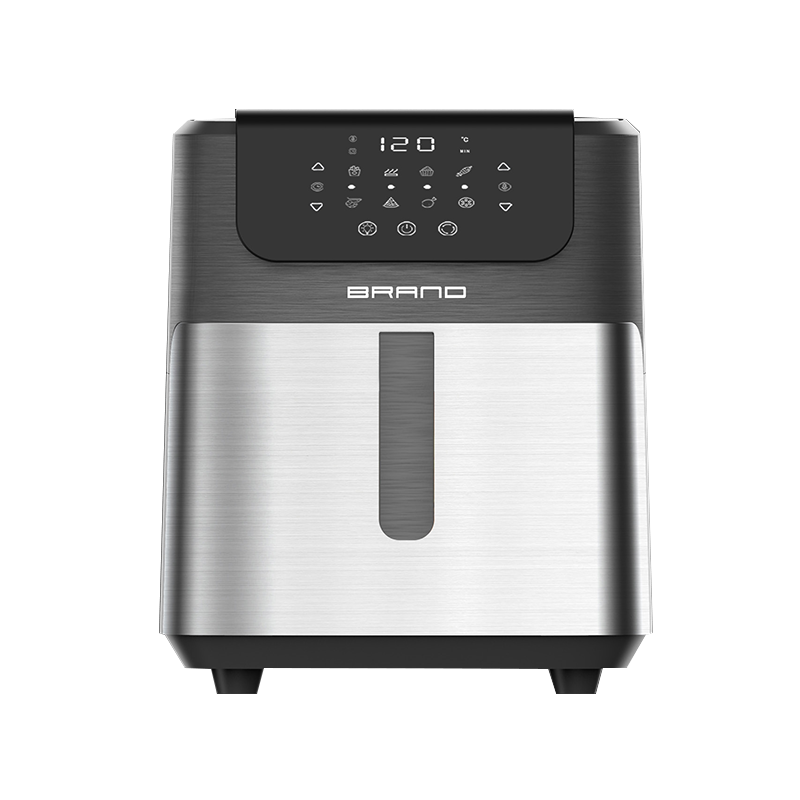
Product Overview
The GSE034D Air Fryer is a mechanical-control air fryer with a viewing window. It belongs to the air fryer category within the broader small electric kitchen appliance segment. The product is built for household kitchens, apartment use, family meal preparation, and promotional retail programs where ease of use and dependable value are critical. Its 7L cooking capacity makes it suitable for larger portions than compact entry-level units, while its 1500W heating power provides a strong balance between cooking efficiency and household energy practicality.
Unlike smaller air fryers that are mainly suitable for snacks or single-person meals, this 7L unit is positioned for families and shared households. It can support meal preparation for chicken wings, fries, vegetables, reheated foods, fish, meat portions, and many frozen convenience foods. The window feature also improves user confidence because consumers can observe the food without frequently pulling out the basket. This helps reduce heat loss and supports a more consistent cooking environment.
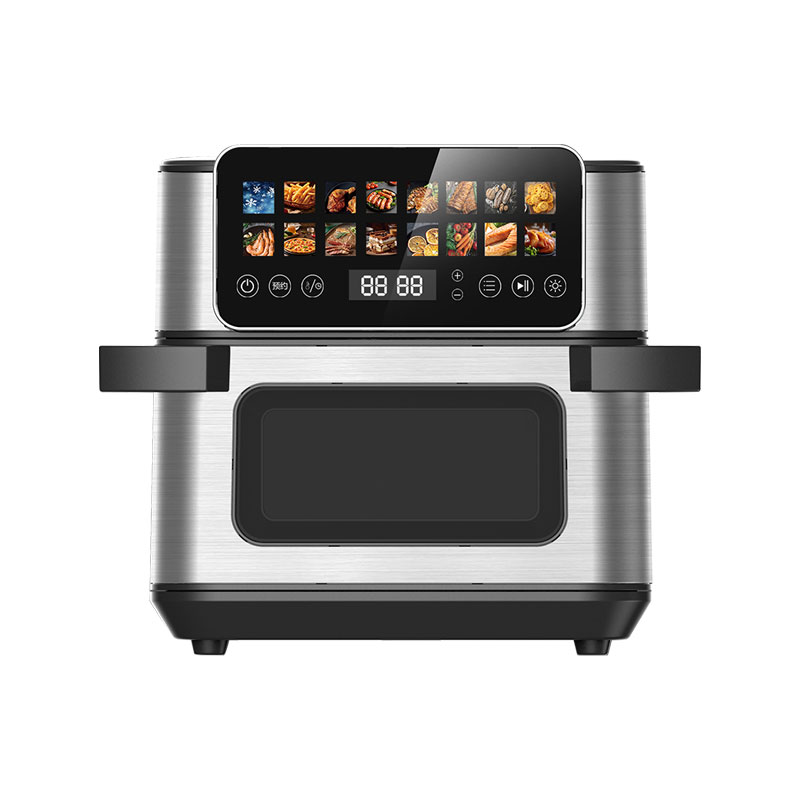
The product is available in a related series that includes both digital and mechanical options with a window. The GSE034D specifically emphasizes mechanical operation, which is often preferred by users who value direct, tactile control and a simpler interface. Mechanical control also helps retailers address a broad consumer base, including customers who do not want complex menu screens or extensive electronic settings. The product therefore combines modern air-frying convenience with traditional usability.
Key Product Specifications
| Item | Specification |
| Model | GSE34 / GSE034D Series |
| Product Type | Air Fryer with Window |
| Control Version | Mechanical Version for GSE034D; Digital Version Available in Series |
| Power | 1500W |
| Capacity | 7L |
| Materials | PP + PA + ABS + PC |
| Packaging | 1 Piece per Carton |
| Carton Size | 37.5 x 37 x 34.5 cm |
| Net Weight | 6.0 kg |
| Gross Weight | 7.0 kg |
| 20ft Container Loading | Approximately 530 Pieces |
| 40HQ Container Loading | Approximately 1000 Pieces |
| MOQ | 1000 Pieces |
| Certifications | CE, GS, CB, ETL, RoHS, LFGB, FDA |
Why a 7L Air Fryer Meets Current Market Demand
The 7L capacity is one of the most important advantages of this appliance. Air fryers have moved beyond the early stage of being novelty gadgets for fries and snacks. They are now considered everyday cooking assistants in many households. As the category matures, buyers increasingly seek products that can prepare more food at one time. A 7L capacity provides enough space for practical family use while still maintaining a countertop format that can fit into a typical kitchen environment.
For retailers, a 7L air fryer occupies a strong mid-to-large segment. It offers a clear step up from 2L, 3L, and 4L units without becoming an oversized specialty oven. Consumers can immediately understand the benefit: more food per batch, fewer cooking cycles, and better convenience for family dinners. This positioning supports higher perceived value and gives sales teams a simple message to communicate.
For importers and wholesalers, capacity also affects product differentiation. Many entry-level air fryers compete mainly on price, which can compress margins. A 7L model with a window, certified material selection, and reliable production support gives buyers more ways to compete beyond price alone. The appliance can be promoted for families, healthier cooking, meal preparation, apartment living, kitchen upgrades, holiday promotions, and private-label household appliance programs.
The Advantage of Mechanical Control
Digital interfaces are popular in many appliances, but mechanical controls continue to have strong market value. The GSE034D mechanical air fryer is especially suitable for consumers who want a simple cooking process. Mechanical knobs are direct and intuitive. Users can set time and temperature without scrolling through menus or learning preset programs. This lowers the barrier for first-time air fryer users and makes the product friendly for a wide age range.
Mechanical control also creates a sense of durability and clarity. Many shoppers associate knob controls with reliability because the operation is visible and tactile. In busy kitchens, simple controls can be an advantage. Users can adjust settings quickly, even when their hands are occupied with meal preparation. For markets where consumers value straightforward operation over advanced digital features, the mechanical version can be more appealing than complicated electronic models.
From a wholesale perspective, mechanical models can also support competitive positioning. They can deliver the core benefits of air frying while avoiding unnecessary feature inflation. This helps retailers offer a larger-capacity window air fryer at an attractive value level. The result is a product that can appeal to budget-conscious households, practical cooks, and buyers who want reliable essential functions.
Viewing Window: A Feature That Improves Confidence and Cooking Control
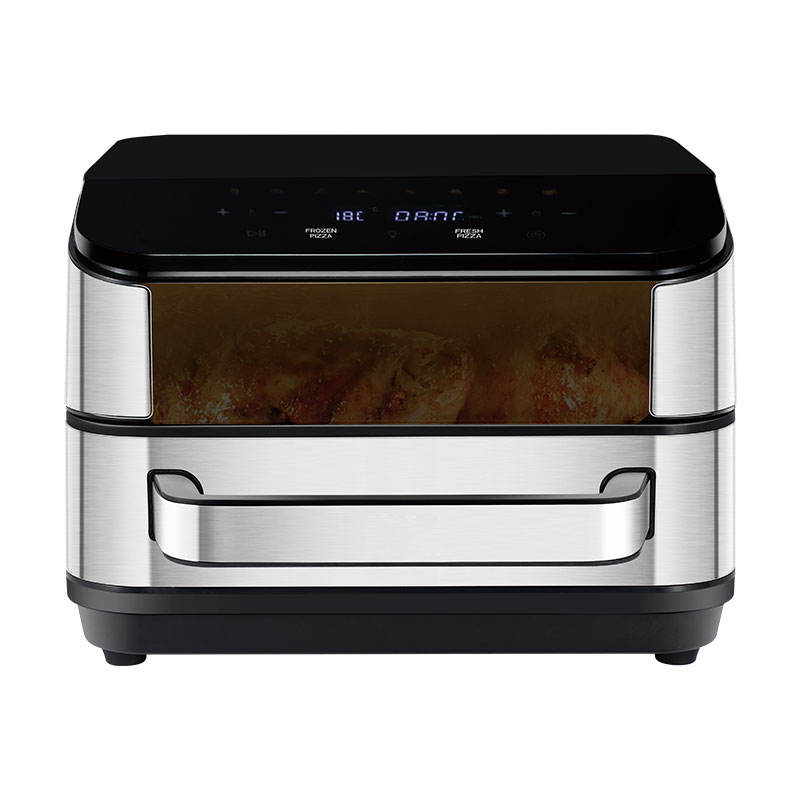
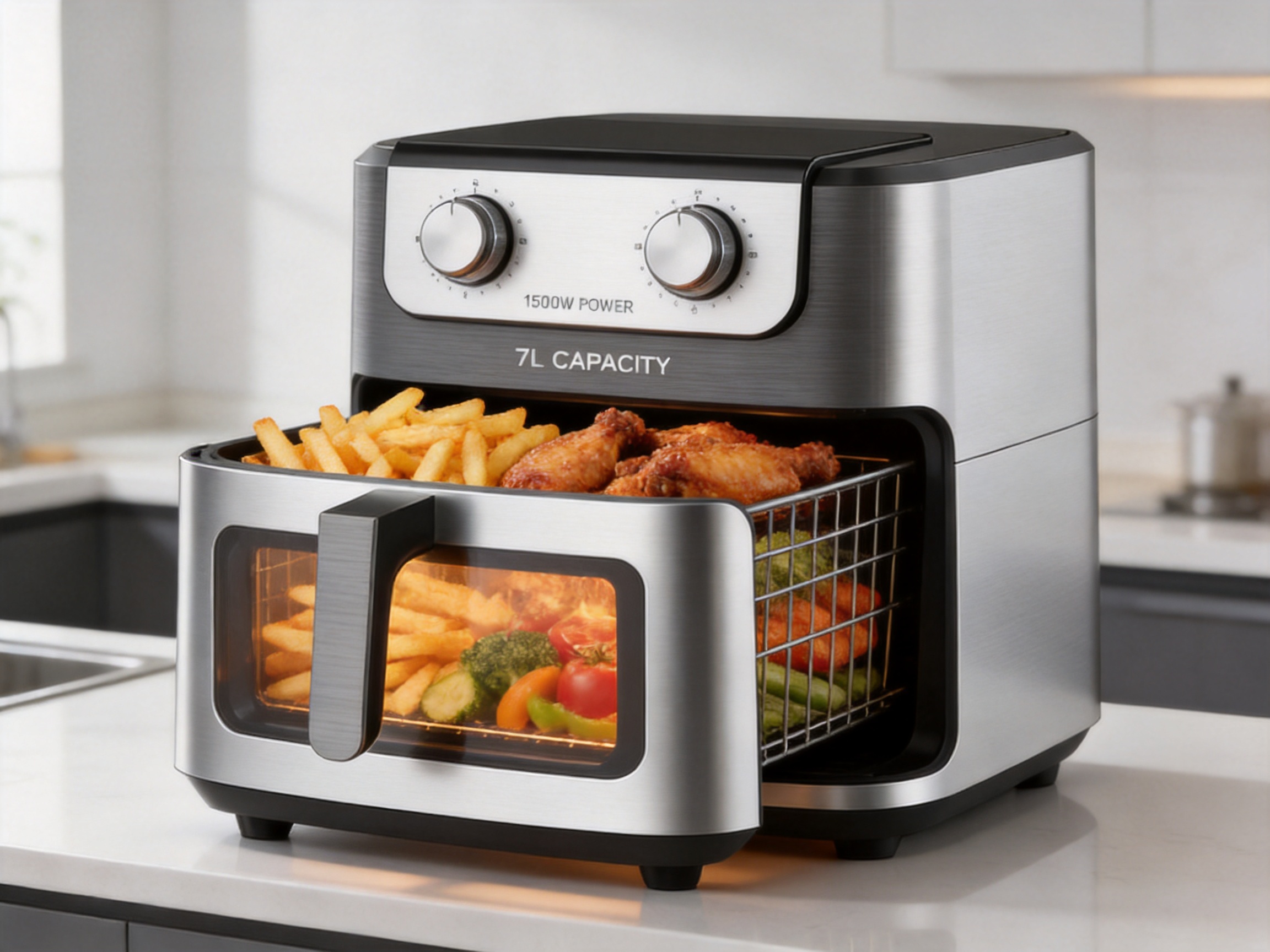
The viewing window is a major selling point. Traditional drawer-style air fryers require users to pull out the basket to check food. Every time the drawer is opened, hot air escapes, the cooking environment changes, and cooking time may be extended. With a viewing window, users can monitor browning, texture, and progress more easily. This is particularly useful for foods that can quickly change from golden to overcooked, such as fries, breaded snacks, fish fillets, chicken pieces, and pastries.
The window also creates a more engaging cooking experience. Consumers like to see food cooking. The visual element reinforces product satisfaction because users can watch the hot-air cooking process without interrupting it. In retail displays, product photography, online listings, and packaging, the window helps the appliance stand out from simpler closed-basket models. It communicates transparency, control, and convenience at first glance.
For competing products without windows, this air fryer offers a visible advantage. A window is not merely cosmetic; it supports practical use. It reduces guesswork and can help users achieve more consistent results after they learn how different foods change color during cooking. In online marketplaces, where consumers often compare similar-looking appliances, the window feature can provide a strong reason to choose this model.
1500W Power for Balanced Performance
The 1500W power rating is well matched to the 7L capacity. It provides heating strength for efficient air frying while remaining practical for standard household power environments in many markets. Consumers often want appliances that cook quickly but do not feel excessive or difficult to use. A 1500W air fryer can support daily cooking tasks such as crisping frozen foods, roasting vegetables, reheating leftovers, and cooking proteins with less oil than deep frying.
Power alone does not determine cooking quality. Effective airflow, chamber design, basket design, heating structure, and insulation all influence performance. However, the 1500W specification gives the appliance a strong foundation. It supports the core air fryer promise: hot circulating air that creates a crisp exterior while reducing the need for large amounts of cooking oil. For households moving away from deep frying, this is an important advantage.
Compared with lower-powered large-capacity units, a 1500W design can help maintain practical cooking speed. Compared with very high-powered appliances, it remains accessible and efficient for everyday use. This balance makes the model suitable for mass-market retail, wholesale distribution, and private-label programs where consistent consumer satisfaction matters.
Material Selection and Structural Reliability
The air fryer uses PP, PA, ABS, and PC materials. This combination reflects a practical approach to appliance housing, structural components, and functional parts. Each material has recognized roles in small appliance manufacturing. PP is commonly used for its light weight and chemical resistance. PA can contribute strength and heat-related performance in selected components. ABS is widely used for durable appliance housings because it supports a clean finish and stable form. PC can be used where clarity, toughness, or impact resistance is needed, making it relevant to window-related applications.
Material selection is important because air fryers must operate in warm environments while also meeting user expectations for appearance, strength, and cleaning convenience. A product may look attractive in photos, but long-term satisfaction depends on how well the housing, controls, basket interface, window area, and internal components withstand repeated use. The multi-material construction of this model supports both functional performance and market-ready presentation.
For importers, certified material compliance is also essential. The presence of LFGB and FDA-related certification support is particularly valuable for products associated with food contact. RoHS compliance is important for environmental and restricted-substance requirements. Certifications such as CE, GS, CB, and ETL help address electrical safety expectations in different target markets. These certifications can reduce buyer concern and help accelerate market entry when paired with proper documentation and local regulatory review.
Certifications as a Competitive Advantage
In the small appliance business, certifications are more than technical documents. They are commercial assets. Buyers, distributors, and chain retailers often need proof that products can meet recognized safety, material, and regulatory standards. The certification list for this air fryer includes CE, GS, CB, ETL, RoHS, LFGB, and FDA. This range helps support sales discussions across Europe, North America, and other regions where compliance is a core purchasing requirement.
CE support is relevant for European market access. GS certification can strengthen confidence in safety and quality for markets that recognize it. CB certification supports international electrical safety recognition and can help simplify certification transfer in certain markets. ETL is important for North American electrical safety acceptance. RoHS demonstrates attention to restricted substances. LFGB and FDA support food-contact material confidence. Together, these certifications provide a broader compliance base than many low-cost competing appliances.
For retailers, certification support can reduce risk. For wholesalers, it can simplify customer conversations. For private-label buyers, it can shorten development timelines because the foundation has already been considered. While every market still requires correct import procedures and documentation review, a product with a strong certification portfolio offers a meaningful advantage over uncertified or lightly documented alternatives.
Designed for Retail, Wholesale, and Private-Label Programs
The product is packed one piece per carton, with a carton size of 37.5 x 37 x 34.5 cm. The net weight is 6.0 kg and the gross weight is 7.0 kg. These details matter because appliance buyers must evaluate not only product features but also shipping, warehousing, handling, and display planning. A well-defined carton specification allows buyers to calculate container loading, storage space, and distribution cost with greater confidence.
The approximate loading quantity of 530 pieces in a 20ft container and 1000 pieces in a 40HQ container gives importers a clear planning basis. The MOQ of 1000 pieces aligns well with 40HQ loading, making it suitable for serious wholesale programs, seasonal retail campaigns, supermarket channels, and branded distribution. This scale helps ensure production efficiency while giving buyers enough volume to support market launches.
For private-label customers, the product structure offers multiple promotional angles. It can be sold as a family-capacity air fryer, a window air fryer, a mechanical-control air fryer, a healthier cooking appliance, or a large-capacity kitchen essential. The mechanical version is especially suitable for value-focused brands, supermarket promotions, catalog sales, and markets where consumers prefer simple controls. The digital counterpart in the series can help buyers build a broader product line with different price points.
Advantages Over Common Competing Air Fryers
Many competing air fryers in the market share similar claims: less oil, quick cooking, easy cleaning, and compact countertop use. To stand out, a product must provide tangible differences. The GSE034D air fryer has several advantages that can be communicated clearly to buyers and end users.
First, the 7L capacity offers stronger family-use value than smaller models. A 3L or 4L air fryer may be enough for one or two people, but it often requires multiple batches for a family. Batch cooking takes time and can produce uneven meal timing. With 7L capacity, users can prepare more food at once, which improves convenience.
Second, the viewing window improves cooking visibility. Many lower-priced air fryers use closed drawers. Users must interrupt cooking to inspect results. The window offers a better experience and can help improve consistency.
Third, mechanical control provides a simple and dependable user interface. While digital screens look modern, they may not be necessary for every market. Mechanical controls reduce complexity and appeal to users who prefer straightforward operation.
Fourth, the 1500W power rating supports practical heating performance for the capacity. Some large air fryers may feel underpowered, while others may be over-specified for basic household needs. This model offers a balanced solution.
Fifth, the certification coverage gives the product an advantage in professional buying decisions. Competing products without broad certification support may be harder to place in demanding retail channels.
Sixth, the manufacturer’s experience in small electric kitchen appliances helps support stable development, production, and quality control. A product is only as strong as the factory behind it. Manufacturing capability, engineering support, and quality systems are decisive factors for long-term buyer confidence.
Company Manufacturing Strength
CIXI GSTAR ELECTRIC APPLIANCE CO., LTD. designs, develops, and manufactures a wide range of small electric kitchen appliances. Its product scope includes blenders, slicers, choppers, food processors, smokeless grills, hot pots, air fryers, and air ovens. The company also manufactures related products for bars, restaurants, and hotels, including ice buckets, beverage dispensers, pitchers, slicers, and graters. This wide product experience gives the company a strong understanding of household convenience, food preparation behavior, plastic and electric appliance production, and international customer requirements.
The company has developed from a product sourcing and trading background into an innovative manufacturer with its own factory capability. Its history includes experience serving international retail and supermarket customers, product development for television shopping channels, and patented non-electric kitchen products before expanding strongly into electric appliances. This background is valuable because it combines market awareness with factory execution. The company understands not only how to make products, but also how products must perform in retail, promotion, packaging, and consumer use.
The company operates a wholly owned production plant with a significant production area and experienced workers. The available company information indicates a production base of approximately 15,000 square meters and more than 200 experienced workers, with engineering and quality-control teams supporting product development and production. Earlier expansion history also references a modern factory with substantial building area, dedicated R&D staff, and QC personnel. This demonstrates an organization that has invested in manufacturing capacity, engineering capability, and quality management.
Advanced Manufacturing Processes
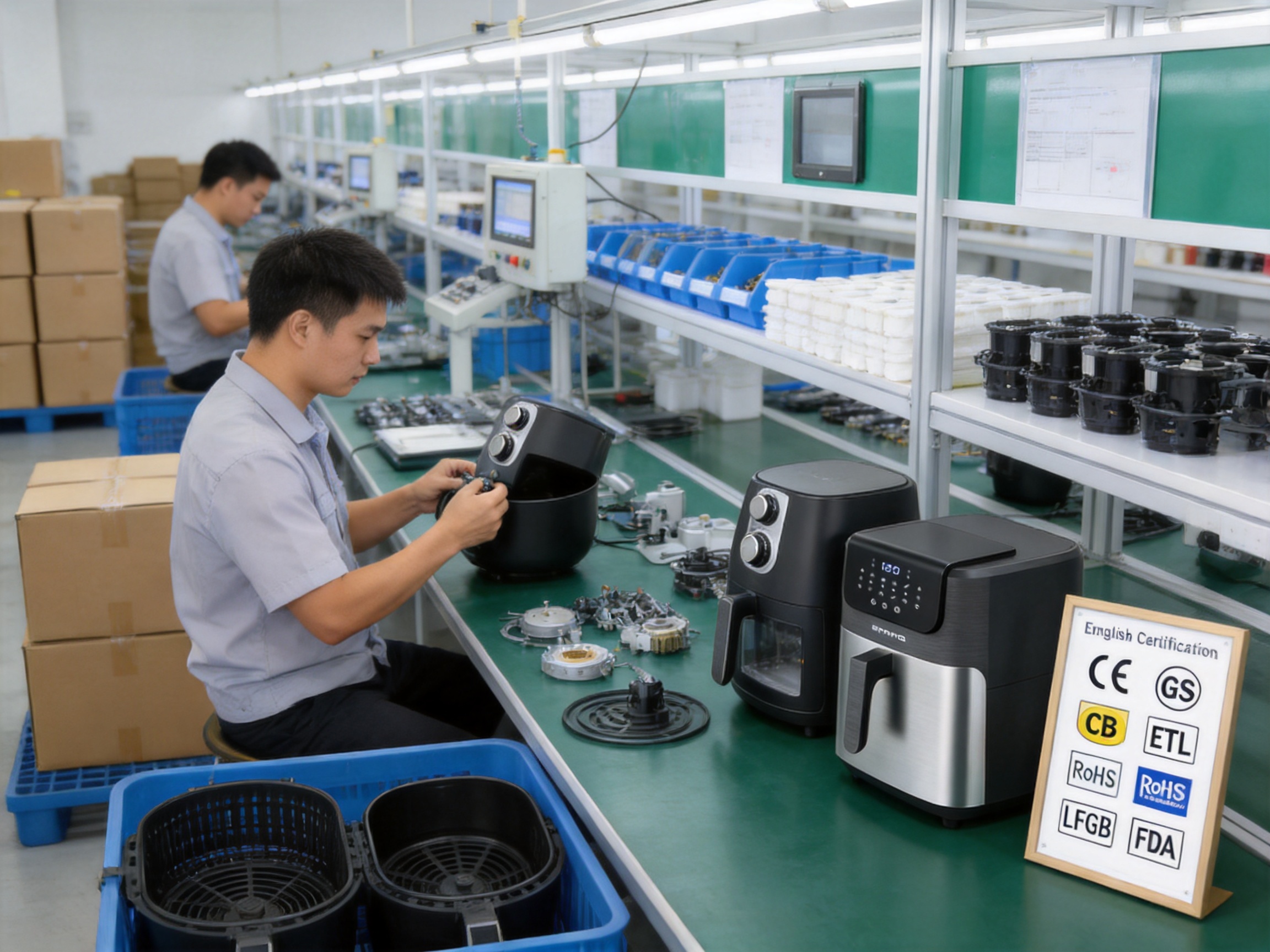
Air fryer manufacturing requires coordination across industrial design, tooling, plastic injection, component assembly, heating system integration, electrical safety control, surface finishing, packaging, and final inspection. A reliable manufacturer must control these steps systematically. For the GSE034D air fryer, the manufacturing process begins with product design and engineering verification. The product must meet capacity requirements, airflow needs, heating performance targets, safety rules, material compatibility, and user experience expectations. Engineers evaluate the layout of the cooking chamber, control interface, handle position, window structure, housing strength, and internal electrical arrangement.
Tooling development is a key stage. The air fryer housing and structural parts require accurate molds to ensure assembly consistency. If plastic parts are not stable, gaps, deformation, poor fitting, noise, and durability concerns may occur. Experienced mold and injection support helps maintain stable product appearance and fit. Material selection must match the function of each component, especially in areas exposed to heat, mechanical stress, or frequent user contact.
During production, plastic components are formed, checked, and prepared for assembly. The assembly process integrates the heating element, fan system, control components, basket structure, window element, housing parts, wiring, knobs, and safety-related features. Workers must follow defined procedures to ensure each unit is built consistently. Electrical connections must be secure, moving parts must align properly, and the drawer or basket interface must operate smoothly.
Quality control is integrated into the process. Inspections may include incoming material checks, component verification, assembly inspections, electrical safety tests, performance checks, visual inspections, and packaging confirmation. For air fryers, temperature control, insulation, electrical safety, mechanical stability, and user interface operation are especially important. The company’s dedicated QC personnel help reduce the risk of defects and support stable batch production.
Engineering and R&D Capabilities
A competitive air fryer requires more than assembly capability. It requires engineering judgment. The company’s R&D team supports product design, development, improvement, and customization. This is important for buyers who need OEM or private-label adjustments, such as exterior color changes, control panel modifications, packaging design, user manual adaptation, plug and voltage configuration, and market-specific requirements.
The company’s experience in designing and developing innovative kitchen products gives it an advantage over factories that only copy existing models. Innovation in small appliances often comes from practical improvements: better capacity utilization, easier cleaning, more intuitive controls, stronger visual appeal, safer materials, and more efficient packaging. The window air fryer reflects this approach by combining a high-demand product category with a feature that improves usability and retail differentiation.
Engineering capability also supports problem solving. During development or mass production, buyers may request changes based on market feedback, certification requirements, cost targets, or packaging limitations. A manufacturer with internal engineering resources can respond faster and more professionally. This reduces project delays and improves cooperation between buyer and supplier.
Quality Control for International Buyers
Quality control is one of the most important selection criteria for air fryer suppliers. A small appliance includes electrical components, heating parts, plastic housing, food-contact areas, controls, packaging, and user safety elements. Any weakness can affect consumer satisfaction or create after-sales problems. The company’s quality control team helps manage these risks through inspection and production supervision.
Incoming quality control ensures that raw materials and purchased components meet requirements before they enter production. In-process quality control helps detect assembly problems before they become large batch issues. Final quality control checks the finished appliance for appearance, function, electrical safety, packaging accuracy, and shipment readiness. For international orders, inspection can also align with buyer-specific standards.
The company’s prior experience serving global supermarkets and well-known retail channels is especially relevant. Large retailers usually require consistency, documentation, packaging discipline, and reliable delivery. Experience with such customers helps the manufacturer understand the expectations of professional buyers. This makes the GSE034D air fryer suitable not only for general wholesale but also for structured retail programs that demand stronger supplier discipline.
Production Scale and Delivery Capability
Production scale matters because air fryers are often ordered for seasonal peaks, promotional events, and retail launches. Buyers need confidence that a supplier can produce the required volume on schedule. The company’s factory area, workforce, engineering staff, and QC resources support scalable production. The MOQ of 1000 pieces is compatible with container-based purchasing and practical wholesale distribution.
Large-scale production also supports cost control. When production is organized efficiently, buyers can receive competitive pricing without sacrificing basic quality expectations. This is central to the company’s stated principle: high-quality innovative products, competitive price, quick delivery, and strong after-sales service. In appliance sourcing, the best supplier is not always the lowest-price supplier. The best supplier is often the one that balances price, compliance, stable quality, and timely shipment.
Delivery capability is especially important for air fryers because the category can be influenced by seasonal sales. Holiday cooking, winter promotions, home appliance campaigns, and online shopping events can create demand spikes. A manufacturer with structured production and export experience can better support these time-sensitive programs.
Consumer Benefits in Daily Use
For end users, the GSE034D air fryer provides several everyday benefits. The first is cooking convenience. Users can prepare foods with less oil than traditional deep frying. This does not mean every recipe becomes automatically healthy, but it can reduce the need for large quantities of oil and make cleanup easier. Consumers increasingly value appliances that help them prepare meals quickly while supporting more controlled cooking habits.
The second benefit is capacity. A 7L basket allows users to cook larger portions, reducing the need for repeated batches. Families can prepare side dishes, snacks, or proteins more efficiently. This is also useful for entertaining guests or preparing food ahead of time.
The third benefit is visibility. The window lets users check food progress without opening the drawer. This creates a more controlled cooking process and can help users learn cooking times for different foods.
The fourth benefit is simplicity. Mechanical controls make the appliance accessible. Users can turn the knobs, set the cooking time and temperature, and start cooking without complicated instructions. This is particularly valuable for consumers who want a practical tool rather than a highly technical device.
The fifth benefit is countertop practicality. Air fryers can often preheat faster than large ovens and can be more convenient for small meals. For apartments, dormitory-style living where allowed, small homes, or kitchens without large ovens, a 7L air fryer can become a frequently used appliance.
Retail Presentation and Sales Messaging
The air fryer’s sales message is clear and marketable: large capacity, visible cooking, simple mechanical control, 1500W power, and internationally supported certifications. These points can be translated into packaging claims, online listing highlights, catalog descriptions, and in-store display cards. The viewing window can be emphasized visually, while the 7L capacity can be communicated as a family-friendly advantage.
Retailers can position the product in multiple ways. It can be a kitchen upgrade for customers replacing small air fryers. It can be a first air fryer for families that delayed buying because earlier models were too small. It can be a promotion product for home appliance events. It can also support private-label programs where the brand wants a product that looks more premium than basic mechanical air fryers but remains value-oriented.
For e-commerce, the feature set supports strong product page content. Shoppers often compare air fryers by capacity, control type, power, visibility, certification, and price. This model performs well across these comparison points. The mechanical control should be presented not as a limitation but as a user-friendly advantage for customers who prefer direct operation.
Packaging and Logistics Considerations
The carton size of 37.5 x 37 x 34.5 cm and gross weight of 7.0 kg support manageable distribution. Each unit is packed one piece per carton, which simplifies handling, shipping, and retail storage. For importers, the 20ft and 40HQ loading references help estimate shipment plans and landed costs. Approximately 530 pieces can be loaded in a 20ft container and approximately 1000 pieces in a 40HQ container, depending on final packing and loading conditions.
Packaging is a critical part of air fryer success. The appliance must be protected during transport while also presenting strong shelf appeal. For retail programs, outer carton strength, inner protection, instruction manual quality, label accuracy, barcode placement, and compliance markings all matter. A manufacturer experienced in export programs understands these details and can work with buyers to meet packaging requirements.
Good packaging also reduces after-sales risk. Damage during transport can create unnecessary claims, customer dissatisfaction, and retailer complaints. By combining correct carton design with practical loading planning, buyers can reduce losses and maintain better customer experience.
Suitable Markets and Applications
The GSE034D mechanical window air fryer can fit a wide range of markets. In Europe, air fryers remain popular as energy-conscious and convenience-focused cooking appliances. Certifications such as CE, GS, RoHS, and LFGB are relevant to buyer confidence. In North America, ETL and FDA-related support are important for electrical safety and food-contact material expectations. In South America, air fryers have strong consumer appeal because they support convenient cooking of fried-style foods with less oil. In Asia and other regions, large-capacity models are increasingly attractive for family cooking and multifunctional meal preparation.
The product is also suitable for different sales channels. Supermarkets can sell it as a promotional household appliance. Specialty appliance stores can position it as a practical family-size air fryer. Online retailers can emphasize the window, capacity, and mechanical simplicity. Importers can develop private-label packaging for regional markets. Wholesalers can distribute it to appliance dealers and household goods chains.
The product can also support gift and seasonal programs. Air fryers are common choices for holiday promotions, wedding gifts, housewarming gifts, and new-home appliance packages. The 7L capacity gives the product a stronger gift value than smaller units, while the window feature makes it look modern and desirable.
How the Product Supports Health-Conscious Cooking Trends
Consumer interest in reduced-oil cooking continues to support the air fryer category. Air frying uses hot air circulation to create crisp textures with far less oil than traditional deep frying. While final nutrition depends on the food selected, portion size, and recipe, many consumers appreciate the ability to prepare familiar foods with less added oil. The GSE034D air fryer supports this trend through convenient operation and family-size capacity.
The product can help users cook vegetables with a roasted texture, reheat leftovers without making them soggy, crisp frozen foods, and prepare proteins with a browned exterior. The viewing window helps users monitor progress, reducing the risk of overcooking. Mechanical controls make the process easy enough for daily use. Together, these benefits encourage repeated use, which is essential for long-term customer satisfaction.
For marketing, it is best to present reduced-oil cooking honestly. The air fryer is not a medical device and should not be promoted with unrealistic health claims. Instead, it can be described as a convenient way to enjoy crispy textures with less oil than deep frying. This message is credible, consumer-friendly, and aligned with current kitchen appliance trends.
Why Manufacturer Experience Matters
When buyers source air fryers, they often compare appearance and price first. However, manufacturer experience can determine whether a program succeeds. A supplier with broad small appliance experience understands component sourcing, safety requirements, product testing, export packaging, production scheduling, and after-sales communication. CIXI GSTAR ELECTRIC APPLIANCE CO., LTD. has built its business around small electric kitchen appliances and related household products, making it a relevant partner for air fryer programs.
The company’s history includes work with international customers and large retail names. This background helps it understand the discipline required for consistent quality, competitive pricing, and reliable delivery. The company has also emphasized product innovation, moving from non-electric patented kitchen products into electric appliances such as air ovens and air fryers. This evolution shows adaptability and market awareness.
For buyers, this matters because air fryer sourcing is not a one-time transaction. Successful programs often require repeated orders, packaging updates, market feedback improvements, spare parts consideration, certification document support, and communication before and after shipment. An experienced manufacturer is better positioned to provide that support.
Comparison With Typical Alternatives
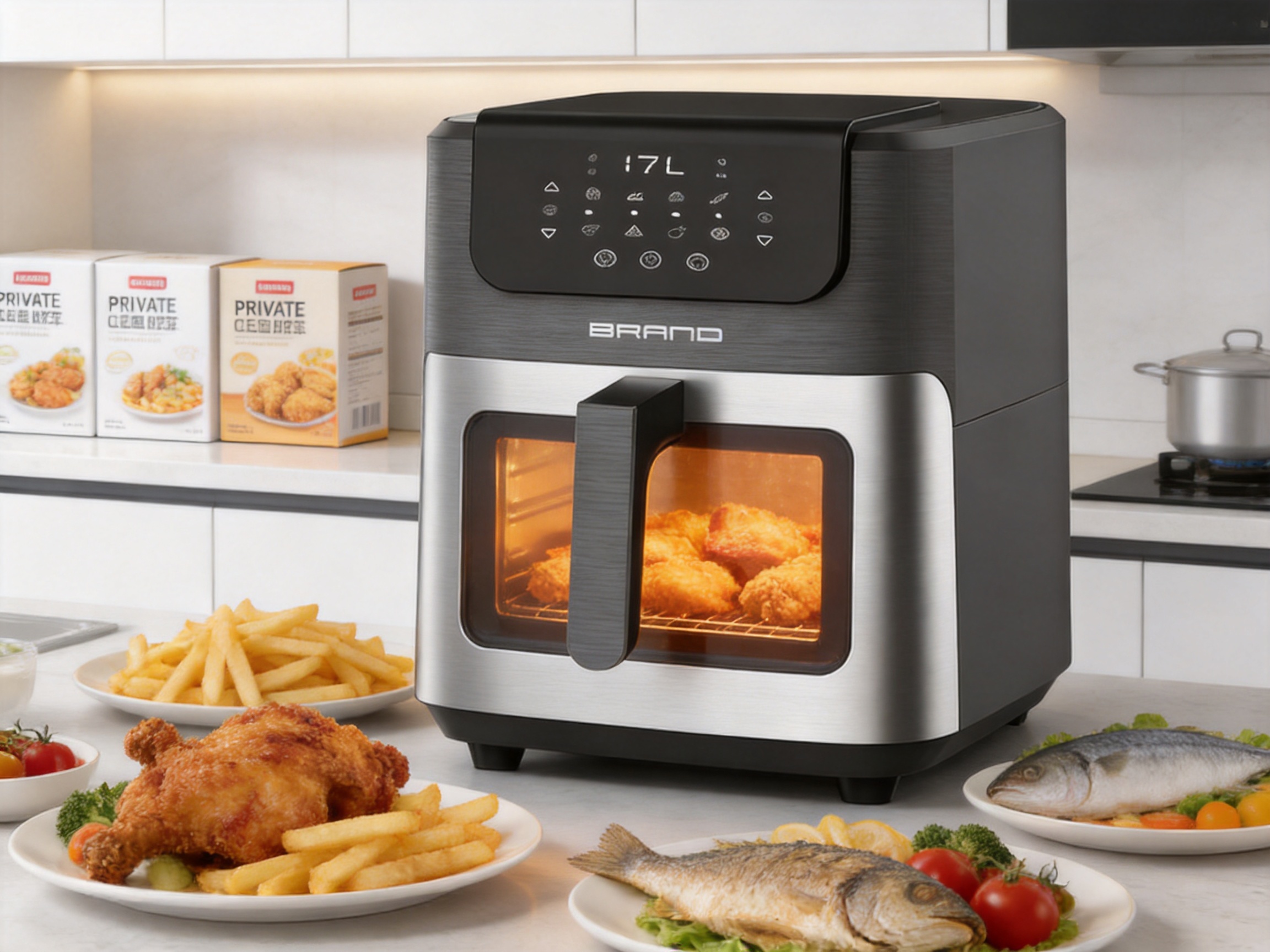
Compared with compact air fryers, the GSE034D provides better batch capacity and family usability. Compact models may attract attention with low prices, but they can disappoint users who need to cook for more than one or two people. A larger basket improves meal efficiency and can lead to higher satisfaction.
Compared with closed-drawer mechanical air fryers, the window gives users better visibility and control. This is a meaningful upgrade without requiring a complex digital interface. It improves the user experience while maintaining simplicity.
Compared with digital air fryers that include many presets, the mechanical version may be easier for some consumers and more cost-effective for retailers. Digital features can be attractive, but not every buyer wants them. Mechanical control can reduce confusion and support a more universal user experience.
Compared with uncertified low-cost products, this model’s certification support strengthens buyer confidence. In regulated markets, certifications can be decisive. Products without adequate certification may face barriers, delays, or rejection by professional customers.
Compared with suppliers that only provide assembly without development strength, the manufacturer behind this product offers broader small appliance experience, R&D support, and quality control resources. This makes the product more suitable for long-term private-label cooperation.
Business Value for Importers and Distributors
Importers and distributors need products that can sell through efficiently and generate repeat business. The GSE034D air fryer offers several business advantages. Its feature set is easy to explain. Its 7L capacity supports a strong value proposition. Its window design differentiates it from basic models. Its mechanical control helps maintain usability and cost effectiveness. Its certifications support professional sales channels. Its carton and loading data make logistics planning straightforward.
The MOQ of 1000 pieces is suitable for serious buyers who want meaningful market presence. It aligns with full-container planning and can support private-label launches. The product can be included in a broader kitchen appliance portfolio alongside blenders, food processors, choppers, hot pots, grills, and air ovens. This creates cross-selling opportunities for distributors building a complete small appliance line.
For buyers seeking long-term cooperation, the manufacturer’s broad catalog and development capability are valuable. A distributor can begin with the 7L window air fryer and later expand into other kitchen appliances. This reduces supplier fragmentation and can improve communication efficiency.
After-Sales and Long-Term Customer Satisfaction
After-sales performance is critical in the appliance business. A product must not only look good at the point of sale; it must also perform reliably after repeated use. The company’s stated commitment to high-quality after service is important for buyers who want sustainable cooperation. Good after-sales support includes timely communication, technical feedback, documentation assistance, and continuous product improvement.
For the end user, long-term satisfaction depends on daily usability. The mechanical controls should remain easy to operate. The basket should slide smoothly. The window should remain useful for monitoring food. The heating system should provide consistent cooking. The housing should feel stable. The appliance should be easy enough to clean and store. These practical details define whether consumers recommend the product or leave positive reviews.
For retailers, customer reviews and return rates are powerful performance indicators. A well-manufactured air fryer with clear instructions and reliable operation can reduce returns and support repeat orders. This is why manufacturing discipline, quality control, and certification support are essential parts of the product’s value.
Q&A Section
What is the main selling point of the GSE034D air fryer?
The main selling point is the combination of 7L family-size capacity, mechanical simplicity, and a viewing window. This gives consumers a large and practical air fryer that is easy to operate while allowing them to monitor cooking progress without opening the basket.
Why is the viewing window useful?
The viewing window allows users to observe food while it cooks. This helps reduce unnecessary opening of the drawer, limits heat loss, and gives users better control over browning and texture. It also improves the product’s visual appeal in retail and online sales.
Is mechanical control an advantage compared with digital control?
Mechanical control is an advantage for users who prefer simple, direct operation. It is easy to understand, quick to adjust, and suitable for a broad consumer group. Digital controls can be attractive, but mechanical controls are often preferred in value-focused and practical household appliance programs.
What does the 7L capacity mean for consumers?
The 7L capacity means users can prepare larger portions in one batch. This is helpful for families, shared households, and people who want to reduce repeated cooking cycles. It provides more flexibility than smaller air fryers.
What certifications support this product?
The product supports CE, GS, CB, ETL, RoHS, LFGB, and FDA certifications. These certifications help buyers address electrical safety, restricted substances, and food-contact material expectations in many international markets.
What makes the manufacturer suitable for international buyers?
The manufacturer has experience in small electric kitchen appliances, R&D support, quality control personnel, export production experience, and a sizeable production base. It also has a history of serving international customers and developing products for competitive retail markets.
What is the recommended order scale?
The MOQ is 1000 pieces. This scale is suitable for wholesalers, importers, private-label distributors, and retail programs. It also aligns with approximately one 40HQ container loading quantity, depending on final packing and shipment conditions.
How does this air fryer compare with smaller models?
Smaller models may be cheaper and more compact, but they usually require multiple batches for family meals. The 7L capacity improves convenience and makes the appliance more suitable for daily household cooking.
Is the product suitable for private-label programs?
Yes. The product is suitable for private-label programs because it offers clear feature advantages, practical specifications, certification support, and manufacturing backing. Buyers can develop packaging and market positioning around capacity, visibility, and ease of use.
What types of foods can consumers prepare?
Consumers can use the air fryer for many common foods, including fries, chicken wings, vegetables, fish, meat portions, frozen snacks, reheated leftovers, and other air-fryer-friendly recipes. Cooking results depend on recipe, food size, temperature, and time settings.
Conclusion
The 7L mechanical window air fryer represented by model GSE034D is a strong product for today’s small electric kitchen appliance market. It combines the features consumers can understand immediately: large capacity, visible cooking, simple control, and practical power. It also provides the certification support, packaging data, loading efficiency, and manufacturing backing that professional buyers require.
Its advantages over competing air fryers are clear. Compared with smaller models, it offers better family usability. Compared with closed-basket models, it provides cooking visibility. Compared with complicated digital models, it offers straightforward mechanical operation. Compared with uncertified low-cost alternatives, it gives buyers stronger compliance confidence. Compared with products from less experienced suppliers, it is supported by a manufacturer with broad small appliance experience, R&D resources, quality control systems, and export-oriented production capability.
For retailers, wholesalers, importers, and private-label brands, this air fryer can serve as a practical and marketable product in a high-demand category. It is suitable for household appliance promotions, online sales, supermarket programs, regional distribution, and long-term kitchen appliance portfolios. With its 7L capacity, 1500W power, PP + PA + ABS + PC construction, window feature, mechanical controls, and international certification coverage, the GSE034D air fryer provides a balanced solution for consumers and a commercially valuable option for professional buyers.
References
1. International Electrotechnical Commission. Household and Similar Electrical Appliances Safety Standards.
2. European Committee for Standardization. General Guidance on CE Marking and Product Compliance for Electrical Appliances.
3. Intertek Testing Services. ETL Certification Principles for Electrical Products.
4. German Product Safety Guidance. GS Mark Requirements for Consumer Electrical Appliances.
5. European Union. Restriction of Hazardous Substances Directive Guidance for Electrical and Electronic Equipment.
6. German Food and Feed Code Guidance. LFGB Food-Contact Material Testing Principles.
7. U.S. Food and Drug Administration. Food-Contact Material Compliance Guidance.
8. Industry Research on Small Kitchen Appliances, Air Fryer Category Development, and Consumer Cooking Trends.