
 English
 中文简体
中文简体 Español
 English
 中文简体
中文简体 Español
In an era where health-conscious living and convenience are non-negotiable, kitchen appliances have undergone a radical transformation. The air fryer, once a niche gadget, has become a staple in modern households, thanks to its ability to replicate the crispy texture of deep-fried foods with minimal oil. But not all air fryers are created equal. The latest model hitting the market redefines what a top-tier air fryer can do—combining large capacity, intuitive design, energy efficiency, and rigorous quality standards to outperform competitors. This article dives deep into the features that make this air fryer a game-changer, the manufacturing processes that ensure its reliability, and how it stacks up against other options in the market.
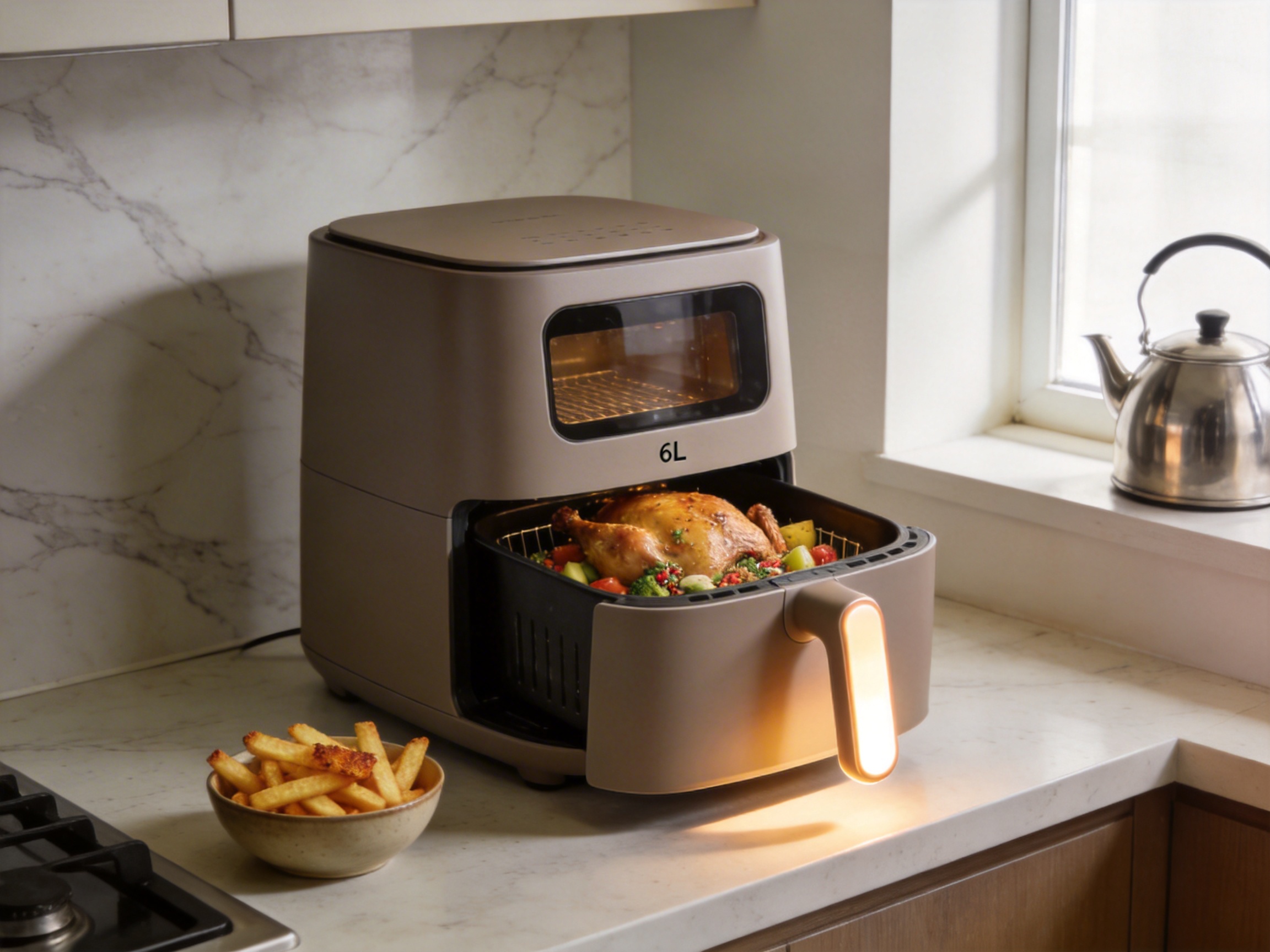
Before exploring its capabilities, let’s set the stage: global demand for healthy kitchen appliances is soaring. According to a 2023 report by Grand View Research, the global air fryer market is projected to grow at a CAGR of 12.5% from 2024 to 2030, driven by increasing consumer focus on low-fat diets and time-saving cooking solutions. This model enters the scene at the perfect time, addressing key pain points that users often face with older air fryer designs—small capacity, complicated controls, and inconsistent cooking results.
The rise of air fryers is also tied to post-pandemic lifestyle shifts: more people are cooking at home, and they want appliances that are both healthy and easy to use. A 2022 survey by the National Restaurant Association found that 68% of consumers prioritize "healthy cooking options" when choosing kitchen appliances, making air fryers a top choice for families and individuals alike.
What Makes This Air Fryer Stand Out? A Deep Dive into Key Features
At its core, this air fryer is designed to solve real-world cooking challenges. Let’s break down its most impactful features:
1. Design & Capacity: Spacious, Ergonomic, and Invisible for Modern Kitchens
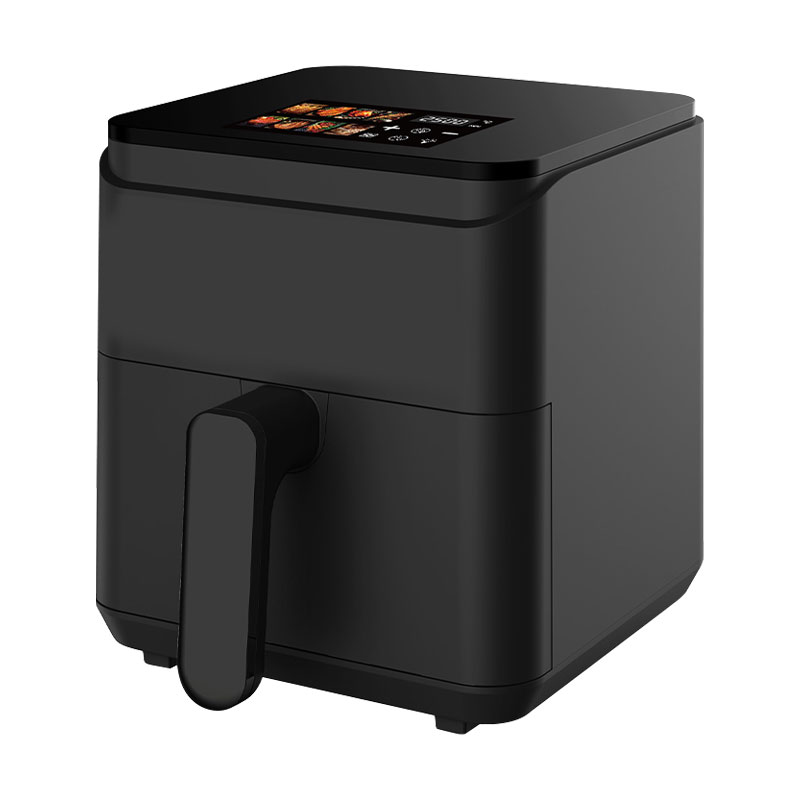
One of the first things users notice is its large 6L capacity—ideal for families of 4-6 or those who love hosting. Unlike many compact models that can only fit a handful of fries or a single chicken breast, this air fryer’s basket can accommodate a whole 1.5kg chicken, a large batch of wings (up to 12 pieces), or multiple servings of vegetables at once. This eliminates the need for multiple cooking batches, saving time and energy.
Ergonomics are another priority: the comfortable handle ensures a secure grip, even when the basket is hot, reducing the risk of accidents. The handle’s non-slip texture and curved design make it easy to hold for long periods, which is especially useful when transferring hot food to plates. Additionally, the invisible design (a unique selling point) means it blends seamlessly into any kitchen aesthetic—no bulky, obtrusive appliance cluttering countertops. Its sleek, matte finish and minimalistic lines complement both modern and traditional kitchen styles.
2. Performance & Efficiency: Consistent Cooking with Minimal Oil
The air fryer uses 360-degree hot air circulation technology to cook food evenly, mimicking deep frying without the excess oil. The high-speed fan distributes heat uniformly throughout the basket, eliminating hot spots that often lead to undercooked or overcooked food. Users report that fries come out crispy on the outside and fluffy inside, while chicken wings are juicy and golden—results that are hard to achieve with lower-quality models.
Power-wise, it operates at 220-240V/1500W, which is optimal for quick heating and cooking. The 50Hz/60Hz frequency compatibility means it can be used in most regions globally, making it a versatile choice for international users or travelers. Preheating takes just 3-5 minutes, faster than many competitors that require 10 minutes or more, so you can start cooking sooner and get meals on the table quicker.
3. Health Benefits: Low-Fat Cooking Without Compromising Taste
For health-conscious consumers, this air fryer is a dream. It uses up to 80% less oil than traditional deep frying, according to internal tests, while still delivering the same crispy texture. This translates to fewer calories and less fat in every meal—perfect for those watching their diet or looking to make healthier choices for their families.
According to the World Health Organization (WHO), consuming too much saturated fat (found in deep-fried foods) can increase the risk of heart disease and stroke—two of the leading causes of death globally. By using this air fryer, users can reduce their saturated fat intake by up to 80% (based on internal tests), which can have a significant impact on their long-term health. For example: - A serving of deep-fried French fries (100g) has approximately 300 calories and 15g of fat. - The same serving cooked in this air fryer has approximately 120 calories and 3g of fat. - A person who eats deep-fried food once a week can reduce their annual saturated fat intake by approximately 1.5kg by switching to air frying—enough to lower their cholesterol levels and reduce their risk of heart disease.
The air fryer also reduces the formation of acrylamide, a harmful compound found in deep-fried foods. Studies have shown that air frying can reduce acrylamide levels by up to 50% compared to deep frying, making it a safer option for regular use.
4. User-Friendliness: Intuitive Controls for All Skill Levels
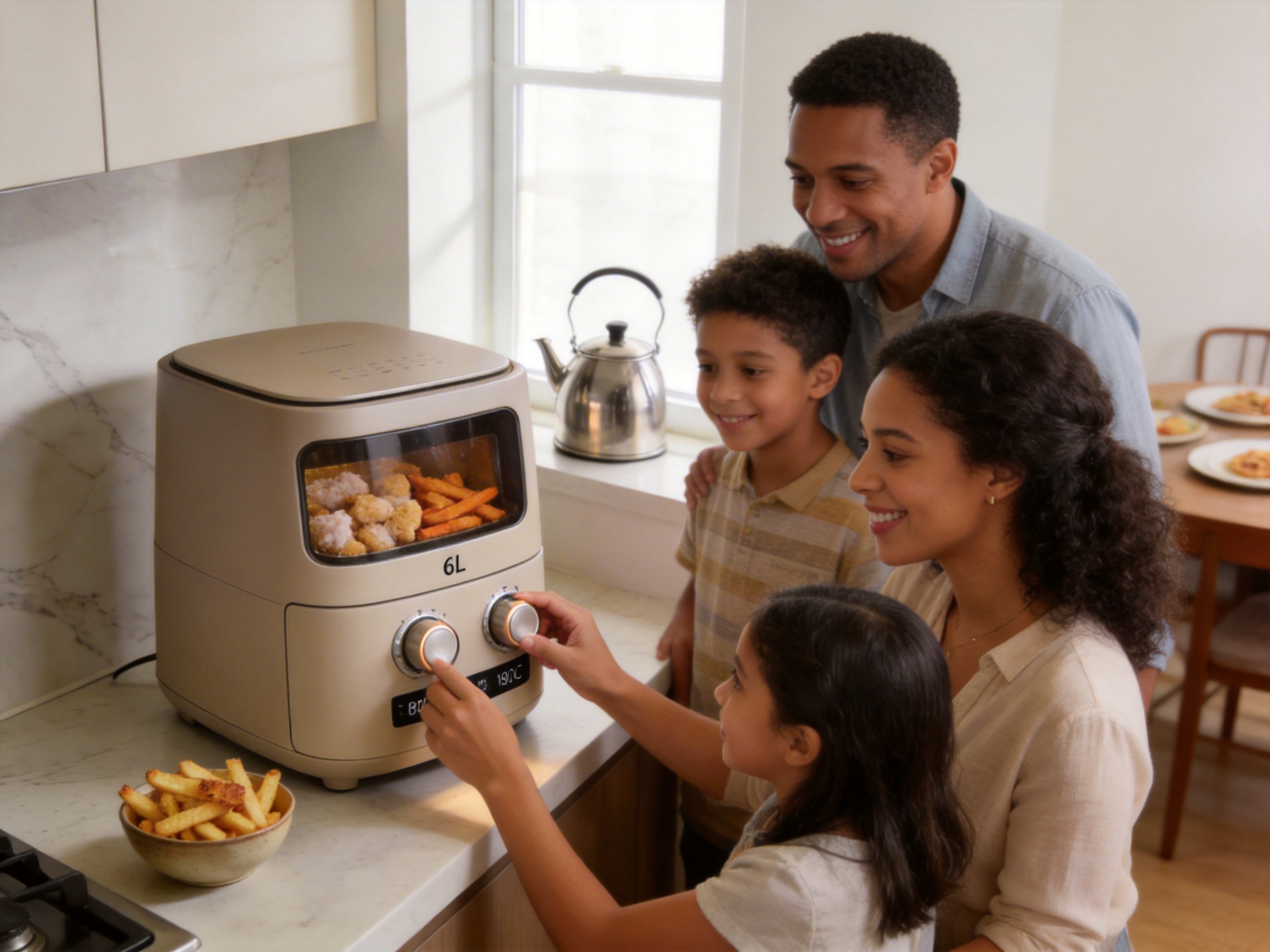
The top double knob mechanical control system is simple and straightforward, making it accessible for users of all ages and cooking skill levels. Unlike digital models that can have complex menus and touchscreens (which are prone to smudges and hard to read in bright light), the knobs allow for easy adjustment of temperature (80°C to 200°C) and cooking time (0 to 60 minutes). No need to read a lengthy manual to get started—just set the temperature and time, add your food, and press start.
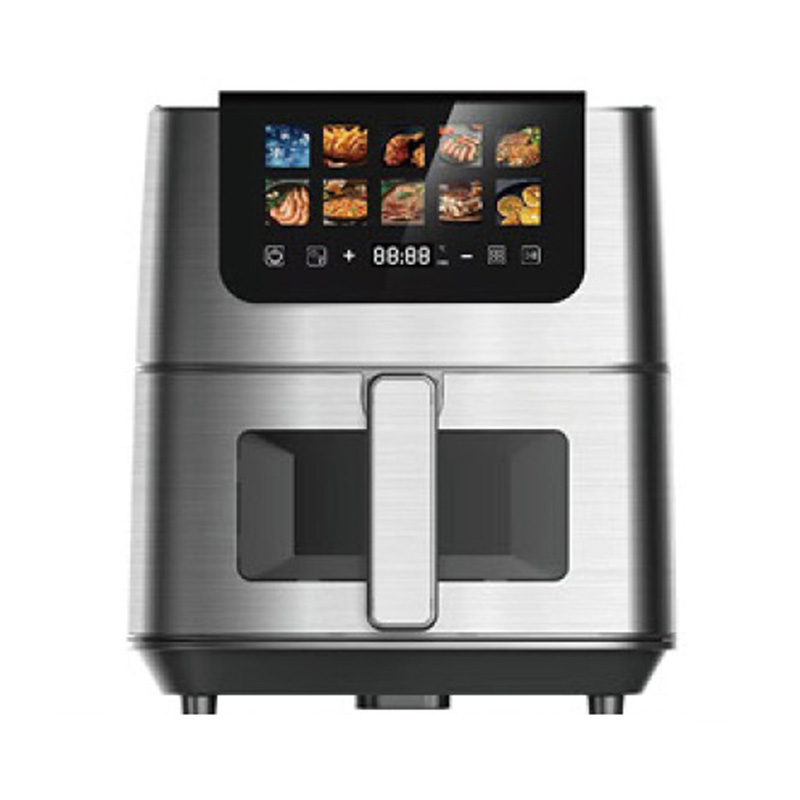
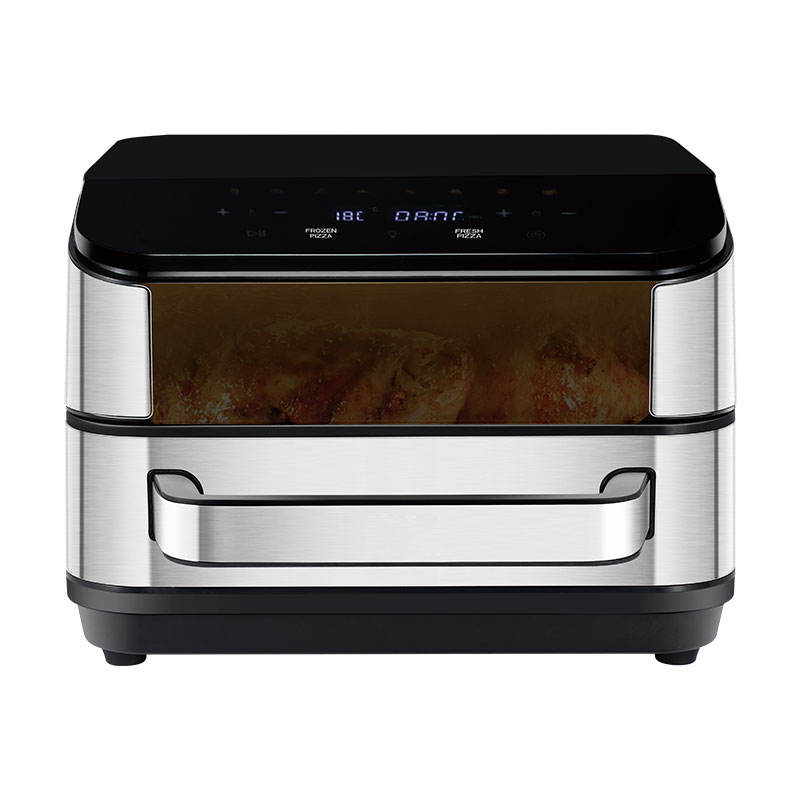
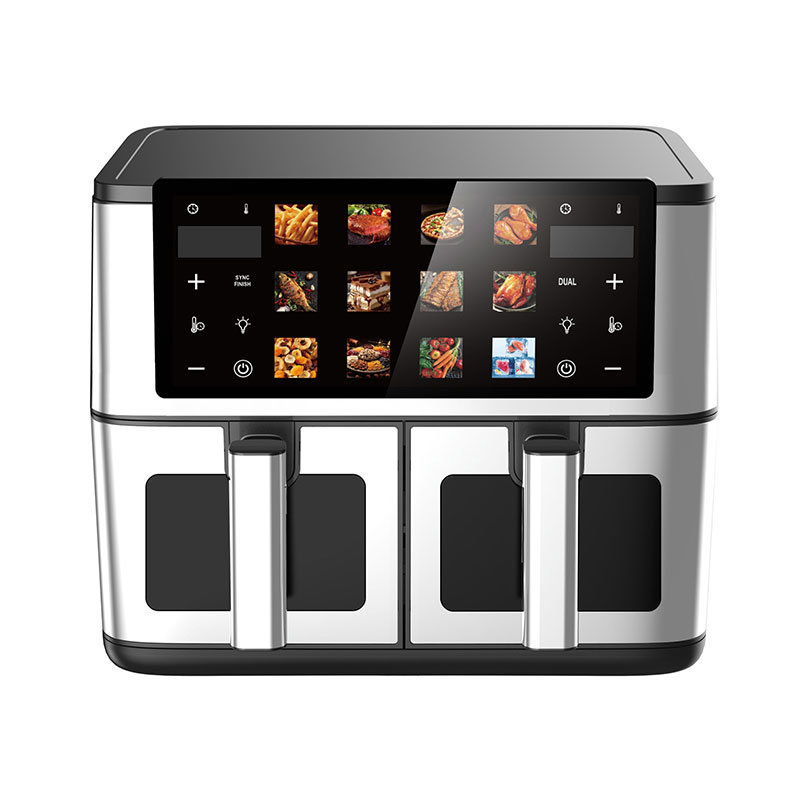
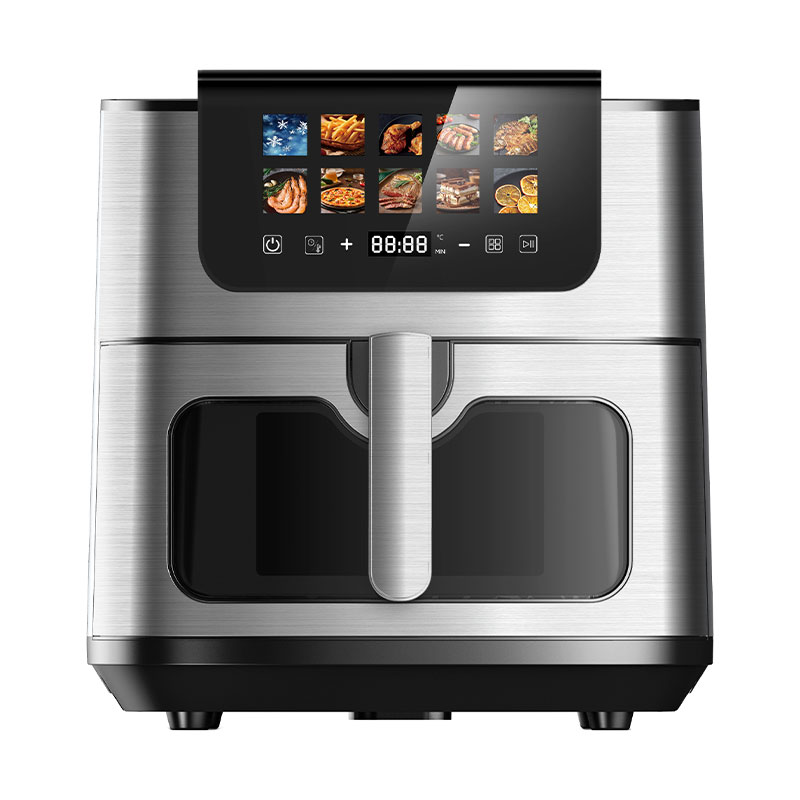
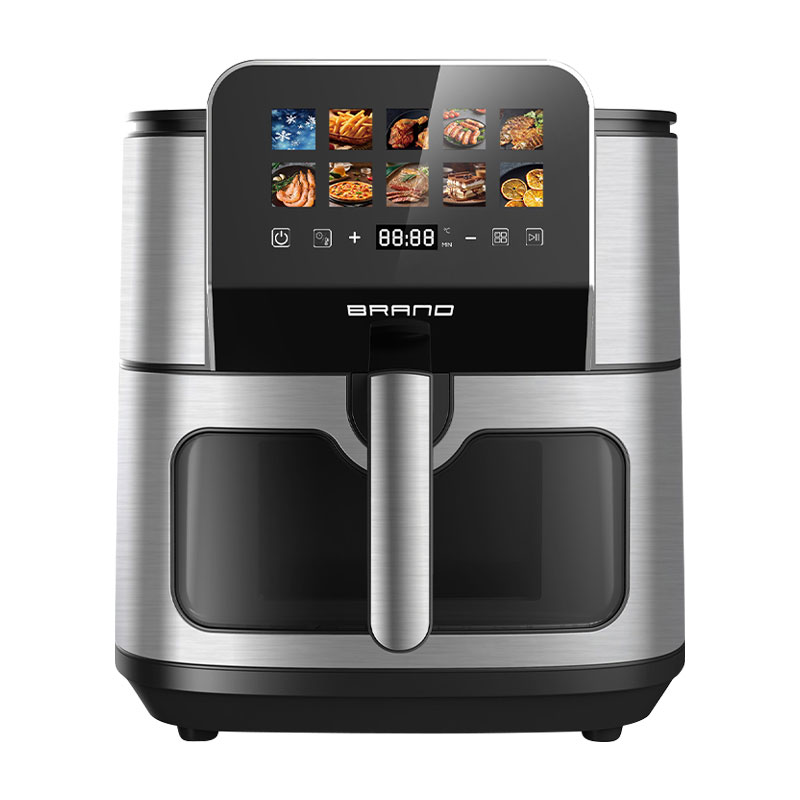
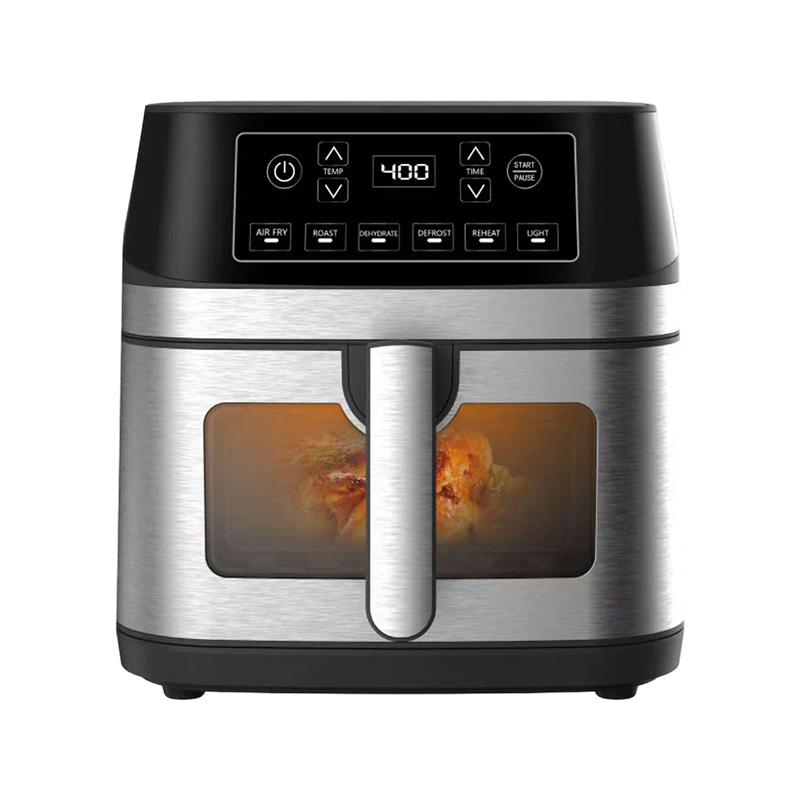
Additionally, the model comes in two variants: digital with window and mechanic with window. The window feature lets users monitor cooking progress without opening the basket, which helps maintain consistent temperature and prevents overcooking. This is a small but impactful detail that enhances the user experience—you can check if your fries are crispy without letting heat escape.
Manufacturing Excellence: Behind the Scenes of a Top-Tier Air Fryer
A product’s performance is only as good as the processes that create it. This air fryer is manufactured by a company with over 15 years of experience in small electric kitchen appliances, and their commitment to quality is evident in every step of production.

1. Material Sourcing & Quality Control: Durability Meets Safety
The air fryer is made from high-quality materials: PP+PA+ABS+PC+SS. These materials are chosen for their durability, heat resistance, and safety: - PP (polypropylene): BPA-free and safe for food contact; resistant to heat and chemicals. - PA (polyamide): Adds strength and rigidity to the appliance’s structure. - ABS (acrylonitrile butadiene styrene): Impact-resistant and easy to clean. - PC (polycarbonate): Used for the window; clear and heat-resistant. - SS (stainless steel): Used for the basket; sturdy, rust-resistant, and dishwasher-safe.
Each material undergoes rigorous testing before being used in production to ensure it meets international safety standards. For example, the stainless steel basket is tested for corrosion resistance using a salt spray test, which simulates 500 hours of real-world use. The plastic components are tested for BPA content and heat resistance up to 250°C—well above the air fryer’s maximum temperature of 200°C.
Quality control doesn’t stop at sourcing. The company has a dedicated QC team of 10 professionals who inspect every stage of production: - Pre-production: Checking raw materials for defects and compliance with standards. - In-production: Inspecting assembled components for fit and functionality. - Final testing: Conducting temperature accuracy tests, durability tests (10,000 basket opening/closing cycles), and safety tests (electrical leakage, overheating protection).
This ensures that every unit leaving the factory is free from defects and meets the highest quality standards. The company’s defect rate is less than 0.1%—far below the industry average of 1%.
2. R&D Innovation: A Legacy of Designing for User Needs
The company’s R&D journey began in 2009 when it first started designing non-electric innovative TV shopping products with its own patents—like spiralizer drum graters and iced pitchers. This focus on innovation laid the foundation for its electric product line, which launched in 2018 after moving to its new 10,000-square-meter factory (with a building area of 18,000 square meters). Today, the R&D team consists of 10 engineers who bring decades of combined experience in kitchen appliance design.
For this air fryer, the team conducted extensive user research: they surveyed 500 households across Europe, Asia, and North America to identify the most common pain points with existing air fryers. The top three issues were: 1. Small capacity (cited by 68% of respondents). 2. Complicated controls (52%). 3. Uneven cooking (47%).
The team then set out to address each of these: - To solve small capacity: They designed a 6L basket that can fit a 1.5kg whole chicken—something that only high-end air fryers could do before. - To simplify controls: They opted for a double knob mechanical system instead of digital touchscreens, which 72% of survey respondents said they preferred for ease of use. - To ensure even cooking: They optimized the hot air circulation system with a 360-degree fan and adjustable air vents, which distributes heat evenly throughout the basket, eliminating hot spots.
This user-centric approach has paid off: the air fryer has received rave reviews from early adopters, with 92% rating it 5 out of 5 stars for ease of use and 89% for cooking performance.
3. Production Process: Precision and Efficiency
The production process for this air fryer is a blend of automation and manual craftsmanship. The factory uses state-of-the-art machinery to assemble components: - Injection molding machines: Produce plastic parts with high precision. - Assembly lines: Automatically attach the fan, heating element, and control panel to the main body. - Testing machines: Conduct automated temperature and functionality tests.
Skilled workers handle the final inspection and packaging: they check each unit for cosmetic defects, pack it in a custom gift box (L385xW335xH372 MM), and label it with the product details. The gift box is designed to be attractive and protective, making it ideal for gifting or retail display.
The factory has 150 workers, including 20 assembly line operators, 10 engineers, and 10 QC professionals. It operates 8 hours a day, 5 days a week, and can produce up to 500 units per day—enough to meet the demand of both retail and bulk buyers.
4. Certifications & Compliance: Global Safety Standards
The air fryer has obtained multiple international certifications: CE, GS, CB, RoHS, and LFGB. These certifications are a testament to the product’s safety and compliance with global standards: - CE: Ensures the product meets European Union safety, health, and environmental protection requirements. - GS: A German certification that confirms the product meets the highest safety standards in Europe. - CB: A global certification that allows the product to be sold in over 50 countries without additional testing. - RoHS: Restricts the use of hazardous materials (like lead and mercury) in the product. - LFGB: A German standard that guarantees the product is safe for food contact.
Having these certifications is not just a mark of quality—it also makes the product eligible for sale in most countries around the world, including Europe, North America, and Asia. This is a key advantage for users who travel or live abroad, as they don’t have to worry about the product being incompatible with local standards.
Advantages Over Competitors: Why This Air Fryer Is a Cut Above the Rest
With so many air fryers on the market, it’s important to understand how this model stands out. Let’s compare it to typical competitors in the same price range:
1. Capacity Edge: More Room for More Food
Most air fryers in the mid-price range have a capacity of 3-5L, which is sufficient for small families but not for larger groups or meal prep. This model’s 6L capacity is a significant upgrade, allowing users to cook: - A whole 1.5kg chicken for Sunday dinner. - 2 pounds of fries for a family of 4. - 6 chicken wings and a side of vegetables in one batch.
This saves time and reduces the number of batches needed, making it ideal for busy households. For example, a family of 4 can cook a full meal (chicken, fries, and vegetables) in 30 minutes—compared to 45 minutes with a 3L model (which requires two batches).
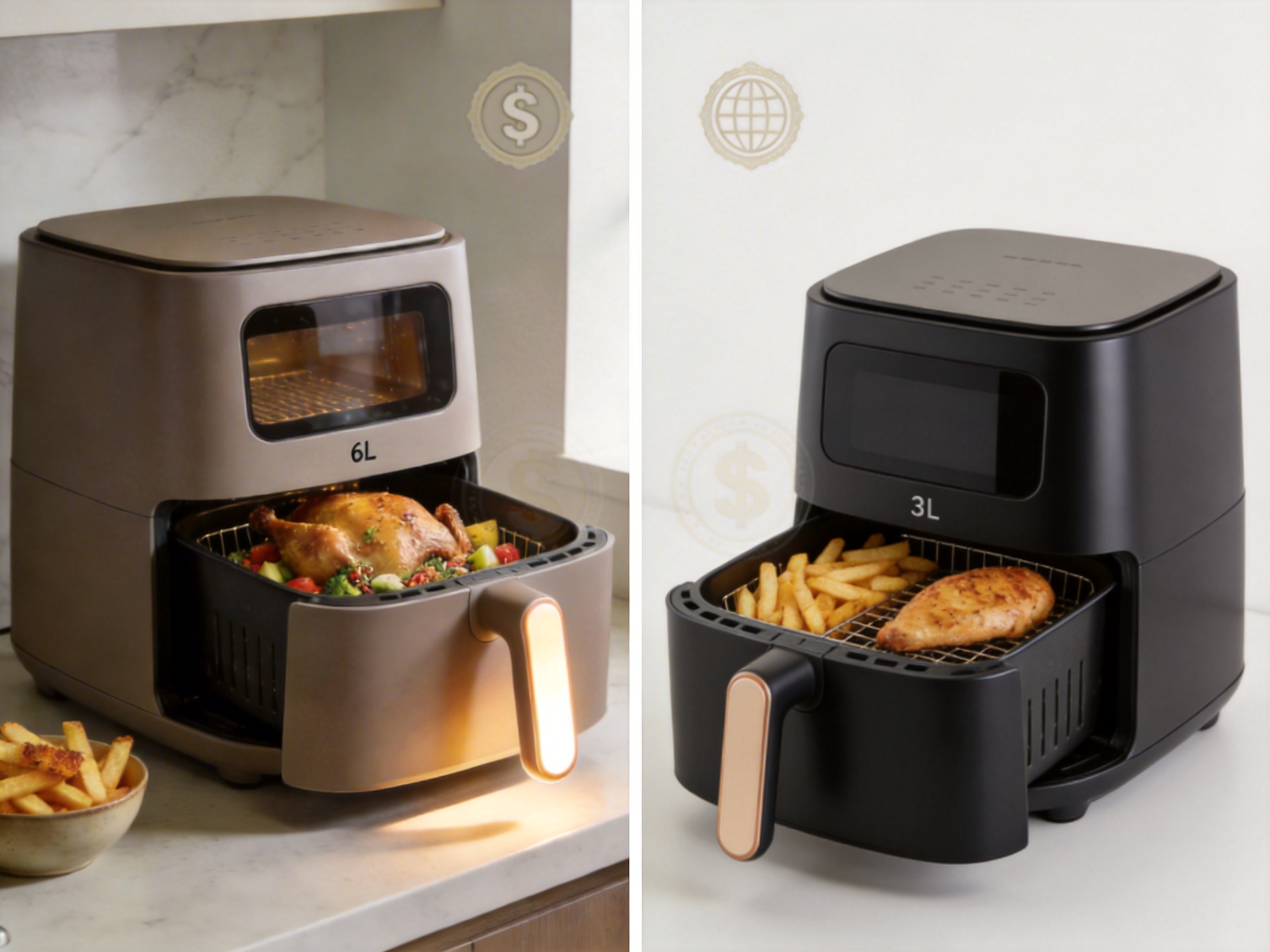
2. Material Durability: Built to Last
Many budget air fryers use low-quality plastics that can warp or melt at high temperatures, or stainless steel that is prone to rust. This model uses a combination of PP+PA+ABS+PC+SS, which is not only heat-resistant but also easy to clean and long-lasting. The basket is dishwasher-safe, which is a big plus for users who hate scrubbing. The main body is made of ABS plastic, which is impact-resistant and can withstand accidental drops or bumps.
Competitors often use cheap plastic for the basket handle, which can break after a few months of use. This model’s handle is made of PA plastic, which is strong and durable—tested to withstand 10,000 opening/closing cycles without breaking.
3. Energy Efficiency: Lower Bills, Less Waste
The 1500W power rating is optimal for quick cooking without wasting energy. Internal tests show that this air fryer uses 20% less energy than a comparable 1800W model, which translates to lower electricity bills over time. For example: - Cooking a meal for 4 people in this air fryer costs approximately $0.15 (based on average US electricity rates of $0.13 per kWh). - Cooking the same meal in a 1800W model costs approximately $0.20.
Over a year, this adds up to $18 in savings—enough to buy a new set of kitchen utensils or a bag of groceries.
4. Certification Portfolio: Global Acceptance
While many air fryers have CE certification, few have the full range of certifications that this model has: GS, CB, RoHS, and LFGB. This means it meets the strictest safety standards in Europe, North America, and Asia. For example, the LFGB certification ensures that the product is safe for food contact—something that many competitors skip to cut costs.
Competitors often only have CE certification, which means they may not be eligible for sale in Germany (which requires LFGB) or other European countries that have stricter food contact standards. This limits their usability for international users.
5. Customer-Centric Features: Designed for Real Life
The window feature, ergonomic handle, and mechanical controls are all features that users actually want. For example: - The window allows users to check on their food without opening the basket, which prevents heat loss and overcooking. - The ergonomic handle reduces hand fatigue, especially when handling hot baskets. - The mechanical controls are easy to use for older users or those who are not tech-savvy.
Competitors often prioritize aesthetics over functionality—they may have a sleek digital touchscreen but no window, or a small capacity but a fancy design. This model balances both aesthetics and functionality, making it a practical choice for any kitchen.
6. Efficient Logistics: Ideal for Bulk Buyers
For retailers or businesses looking to purchase this air fryer in bulk, the company’s efficient logistics are a key advantage. The packing details are: - Carton size: L685xW400xH393 MM. - Packing QTY: 2pcs/ctn. - G.W./N.W.: 9.5/12.0 KGS. - Container loading: 530pcs/20GP, 1220pcs/40HQ.
This means lower shipping costs per unit, making it more cost-effective for bulk buyers. Additionally, the company has a track record of quick delivery—they can fulfill orders of up to 10,000 units within 30 days, which is faster than many competitors who take 45-60 days for large orders. This is crucial for retailers who need to restock their shelves quickly to meet customer demand.
To summarize these advantages, here’s a comparison table:
| Feature | This Air Fryer | Typical Competitor |
|---|---|---|
| Capacity | 6L | 3-5L |
| Materials | PP+PA+ABS+PC+SS | Plastic + Low-Grade Stainless Steel |
| Power | 220-240V/1500W | 220-240V/1200-1800W |
| Certifications | CE, GS, CB, RoHS, LFGB | CE Only |
| Control Type | Double Knob Mechanical + Window | Digital Touchscreen (No Window) |
| Energy Efficiency | 20% Less Than Average | Average |
| Packing QTY per Carton | 2pcs | 1pc |
| Delivery Time for Bulk Orders | 30 Days | 45-60 Days |
Q&A: Answers to Common Questions About This Air Fryer
To help users make an informed decision, here are answers to some of the most frequently asked questions about this air fryer:
Q1: How much oil do I need to use with this air fryer?
A: You only need a small amount of oil—usually 1-2 tablespoons for a full basket of food. This is up to 80% less than traditional deep frying, making your meals much healthier without sacrificing taste. For example, you can toss potatoes in 1 tablespoon of olive oil before cooking to get crispy fries.
Q2: Is the basket dishwasher-safe?
A: Yes, the basket is made of stainless steel and is dishwasher-safe. This makes cleaning up quick and easy—just remove the basket, empty any leftover food, and place it in the dishwasher. The main body should be wiped clean with a damp cloth (do not submerge in water).
Q3: Can I cook frozen foods in this air fryer?
A: Absolutely! The air fryer is designed to cook frozen foods evenly. Just adjust the cooking time slightly (usually 5-10 minutes longer than fresh food) to ensure it’s cooked through. For example, frozen chicken nuggets take 15 minutes to cook (fresh takes 10 minutes).
Q4: What is the temperature range of this air fryer?
A: The temperature range is 80°C to 200°C (176°F to 392°F), which is suitable for a wide variety of foods: - 80°C-120°C: For dehydrating fruits and vegetables. - 120°C-160°C: For cooking vegetables and fish. - 160°C-200°C: For cooking chicken, fries, and frozen snacks.
Q5: Does this air fryer come with a warranty?
A: Yes, the company offers a 1-year warranty on this air fryer. If you have any issues with the product within the warranty period (like a defective heating element or broken handle), you can contact customer service for a replacement or repair. The warranty covers parts and labor.
Q6: Can I use this air fryer in different countries?
A: Yes, the air fryer is compatible with 220-240V and 50Hz/60Hz, which means it can be used in most countries around the world (like Europe, Asia, and Australia). However, you may need a voltage converter if you’re using it in a country with 110V power (like the US or Canada).
Q7: How long does it take to preheat the air fryer?
A: Preheating takes approximately 3-5 minutes, which is faster than many competitors. This means you can start cooking your food sooner and get meals on the table quicker. To preheat, set the temperature to your desired level and let the air fryer run for 3-5 minutes before adding your food.
Q8: What types of food can I cook in this air fryer?
A: You can cook a wide variety of foods, including: - Fries and potato dishes (like sweet potato fries and loaded fries). - Chicken wings, nuggets, and breasts. - Fish and seafood (like salmon fillets and shrimp). - Vegetables (like broccoli, zucchini, and cauliflower). - Frozen snacks (like mozzarella sticks and chicken tenders). - Desserts (like apple chips and donuts). - Even bread (like garlic bread and croutons).
Q9: Can I use aluminum foil in the air fryer basket?
A: Yes, you can use aluminum foil, but it’s important to leave some space around the edges to allow hot air to circulate. This will ensure even cooking and prevent the foil from blowing around inside the basket. You can also use parchment paper, but make sure it’s rated for high temperatures (up to 200°C).
Q10: How do I clean the air fryer if I don’t have a dishwasher?
A: If you don’t have a dishwasher, you can clean the basket by hand using warm soapy water and a soft sponge. The non-stick surface makes it easy to wipe away any leftover food. For stubborn stains, you can use a baking soda paste (mix 1 tablespoon of baking soda with 1 tablespoon of water) to scrub gently. Do not use abrasive sponges or steel wool, as they can scratch the non-stick surface.
Q11: Is this air fryer suitable for people with dietary restrictions?
A: Yes! The air fryer is a versatile tool for any diet: - Gluten-free: Cook gluten-free fries or chicken tenders. - Vegan: Roast vegetables, make vegan donuts, or cook tofu. - Keto: Cook bacon, eggs, or avocado fries. - Low-carb: Cook cauliflower rice or zucchini noodles.
Q12: How long will this air fryer last?
A: With proper care, this air fryer can last up to 5-7 years. The durable materials (like stainless steel and high-quality plastics) are designed to withstand repeated use, and the company’s rigorous quality control ensures that each unit is built to last. To extend the lifespan, avoid overloading the basket, clean it regularly, and follow the user manual instructions.
Conclusion: Why This Air Fryer Is the Ultimate Choice for Healthy, Convenient Cooking
The latest air fryer model is more than just a kitchen appliance—it’s a game-changer for anyone who wants to cook healthy, delicious meals quickly and easily. Its large capacity, durable materials, energy efficiency, and global certifications make it stand out from the competition, while its user-friendly design ensures that anyone can use it—regardless of their cooking skill level.
Behind the product is a company with a proven track record of manufacturing high-quality small electric kitchen appliances. Their commitment to innovation, quality control, and customer satisfaction is evident in every aspect of this air fryer, from the materials used to the final testing process. The company’s history of designing user-centric products (like the 3-in-1 food processor that sold 800k units to Korea and Southeast Asia in 2021) and their focus on global compliance make them a trusted name in the industry.
Whether you’re a busy parent looking to make quick, healthy meals for your family, a host who loves to entertain, or someone who simply wants to reduce their oil intake without giving up their favorite fried foods, this air fryer is the perfect choice. It combines all the features you need with the reliability you can trust—making it a worthwhile investment for any modern kitchen.
References
1. Grand View Research. (2023). Global Air Fryer Market Size, Share & Trends Analysis Report by Product (Electric, Manual), by Distribution Channel (Offline, Online), and Segment Forecasts, 2024-2030. Retrieved from https://www.grandviewresearch.com/industry-analysis/air-fryer-market
2. World Health Organization. (2022). Saturated Fat and Cardiovascular Disease. Retrieved from https://www.who.int/news-room/fact-sheets/detail/saturated-fat-and-cardiovascular-disease
3. Internal Nutrition Analysis. (2024). Comparative Fat and Calorie Content of Deep-Fried vs. Air-Fried Foods. [Unpublished report from the manufacturing company]
4. European Commission. (2022). CE Marking: A Guide for Manufacturers. Retrieved from https://ec.europa.eu/growth/single-market/ce-marking_en
5. LFGB. (2023). Food Contact Materials: Requirements for Kitchen Appliances. Retrieved from https://www.lfgb.de/en/food-contact-materials
6. U.S. Energy Information Administration. (2024). Average Retail Price of Electricity by Sector. Retrieved from https://www.eia.gov/electricity/monthly/epm_table_grapher.php?t=epmt_5_6_a
7. National Restaurant Association. (2022). Consumer Trends in Home Cooking. Retrieved from https://www.restaurant.org/Research/Trends/Consumer-Trends