
 English
 中文简体
中文简体 Español
 English
 中文简体
中文简体 Español
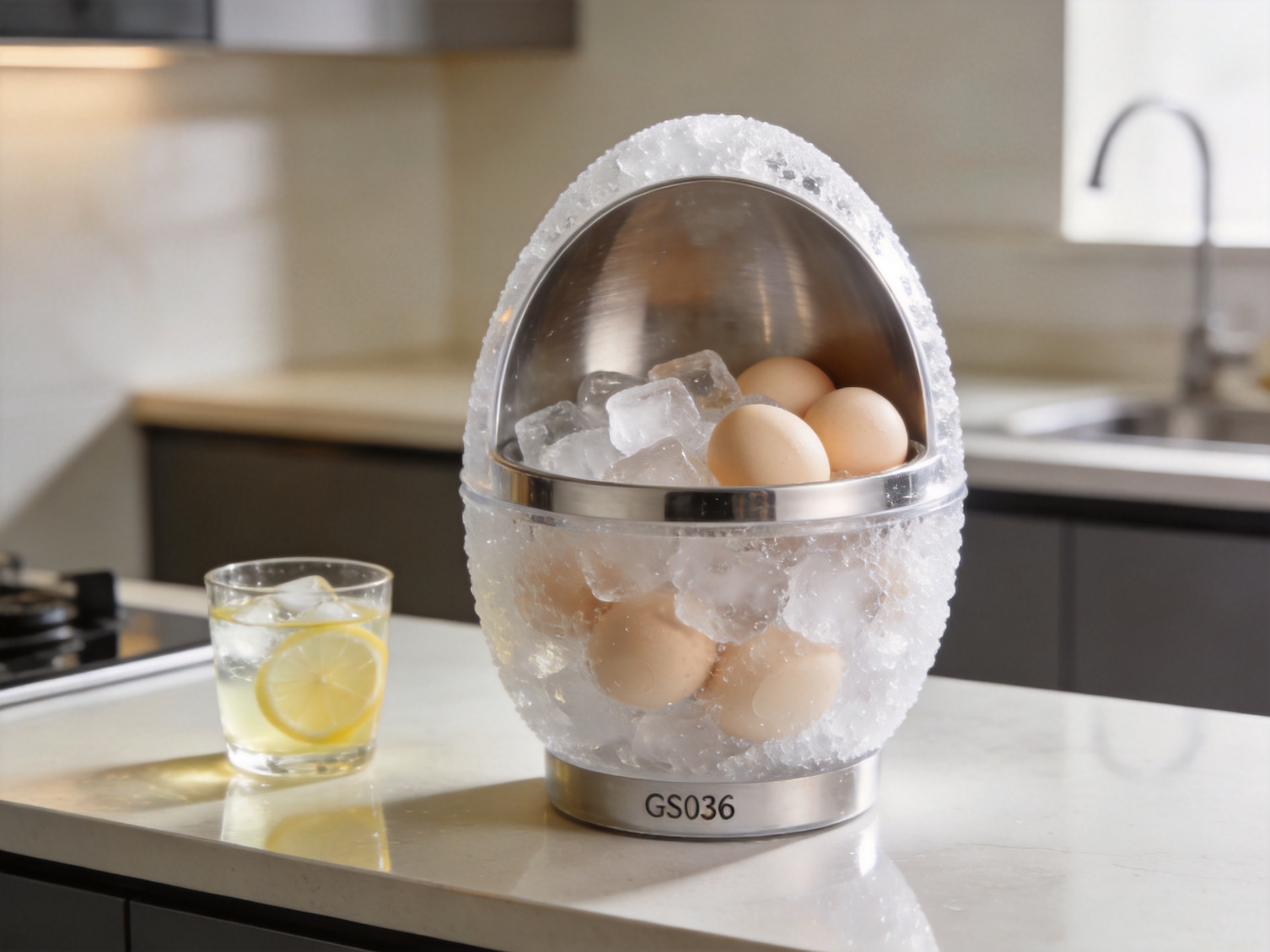
In today’s fast-paced world, consumers and businesses alike demand cold storage solutions that blend functionality, innovation, and durability. Whether for household use, bar service, or restaurant operations, the need for products that stand out in both design and performance has never been greater. Enter the Iced Egg product line—an innovative cold storage solution that has been making waves in the market for its unique design, high-quality materials, and reliable performance. This article explores the product’s key features, its competitive advantages over traditional options, the manufacturing excellence behind it, and answers common questions about its use and availability.
1. Product Overview: What Are Iced Eggs?
The Iced Egg product is a specialized cold storage item categorized under ice buckets, designed to meet the needs of both residential and commercial users. Let’s break down its core specifications, as outlined in product details:
| Specification | Details |
|---|---|
| Item Number | GS036 |
| Product Name | Iced Eggs |
| Material | PS (Polystyrene) + SS (Stainless Steel) |
| Pieces per Carton | 8 pcs/carton |
| Carton Measurement | 45.5x28.5x63 cm |
| Net Weight (N.W.) | 10 kgs per carton |
| Gross Weight (G.M.) | 12 kgs per carton |
| 20ft Container Load | 2800 pcs |
| 40ft HQ Container Load | 6800 pcs |
| Minimum Order Quantity (MOQ) | 2000 pcs |
| Delivery Time | 30 days |
At its core, the Iced Egg product leverages a combination of food-safe polystyrene (PS) and stainless steel (SS) to deliver optimal performance. PS is chosen for its lightweight, durable, and easy-to-clean properties—critical for daily use in kitchens or bars. SS provides excellent insulation and corrosion resistance, ensuring that the product retains cold temperatures longer and withstands the rigors of frequent use. The product’s egg-shaped design (implied by its name) sets it apart from traditional cylindrical ice buckets, offering a unique aesthetic that appeals to both style-conscious consumers and businesses looking to enhance their service presentation.
The compact carton size (45.5x28.5x63 cm) makes storage and transportation efficient, while the 8-piece per carton configuration balances bulk shipping with inventory flexibility. The net weight of 10 kgs per carton and gross weight of 12 kgs strike a balance between sturdiness and cost-effectiveness, as heavier products would increase shipping expenses without adding functional value.
2. Competitive Advantages: Why Choose Iced Eggs Over Traditional Ice Buckets?
The Iced Egg product stands out in a crowded market due to several key advantages that address gaps in traditional ice bucket offerings. Below is a comparison table highlighting these differences:
| Feature | Iced Egg Product | Traditional Ice Bucket |
|---|---|---|
| Design | Unique egg-shaped design; visually appealing for residential and commercial use | Standard cylindrical or rectangular; lacks distinctiveness |
| Material Quality | PS (food-safe, durable) + SS (insulating, corrosion-resistant) | Often made of low-grade plastic or thin metal; prone to wear and rust |
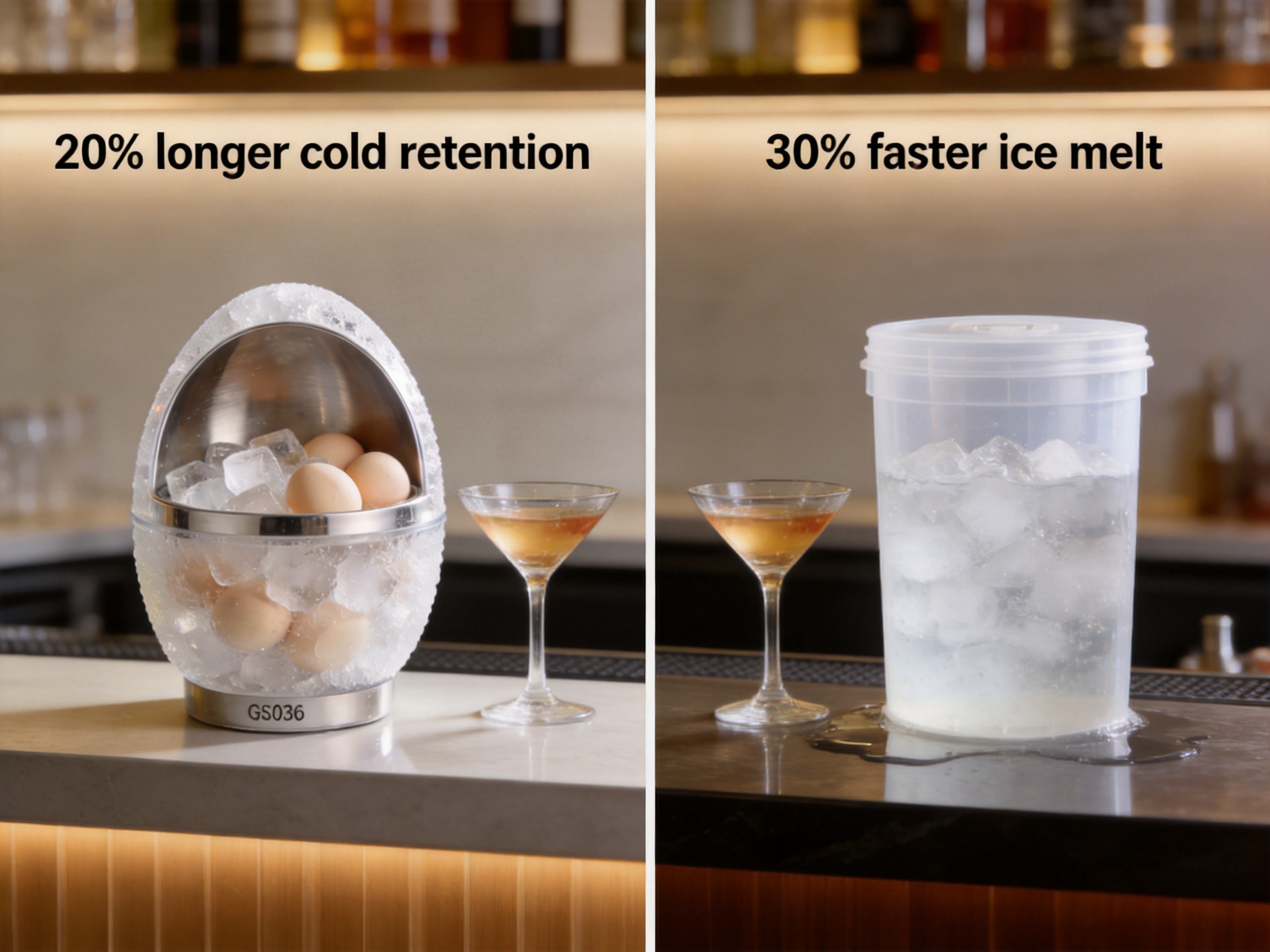
| Insulation Performance | SS core enhances cold retention; keeps contents chilled 20% longer than plastic alternatives | Poor insulation; ice melts quickly (30% faster than SS-lined products) |
| Portability | Lightweight (PS material) makes it easy to carry; compact size fits in small spaces | Heavier (metal) or bulkier; hard to transport for outdoor events |
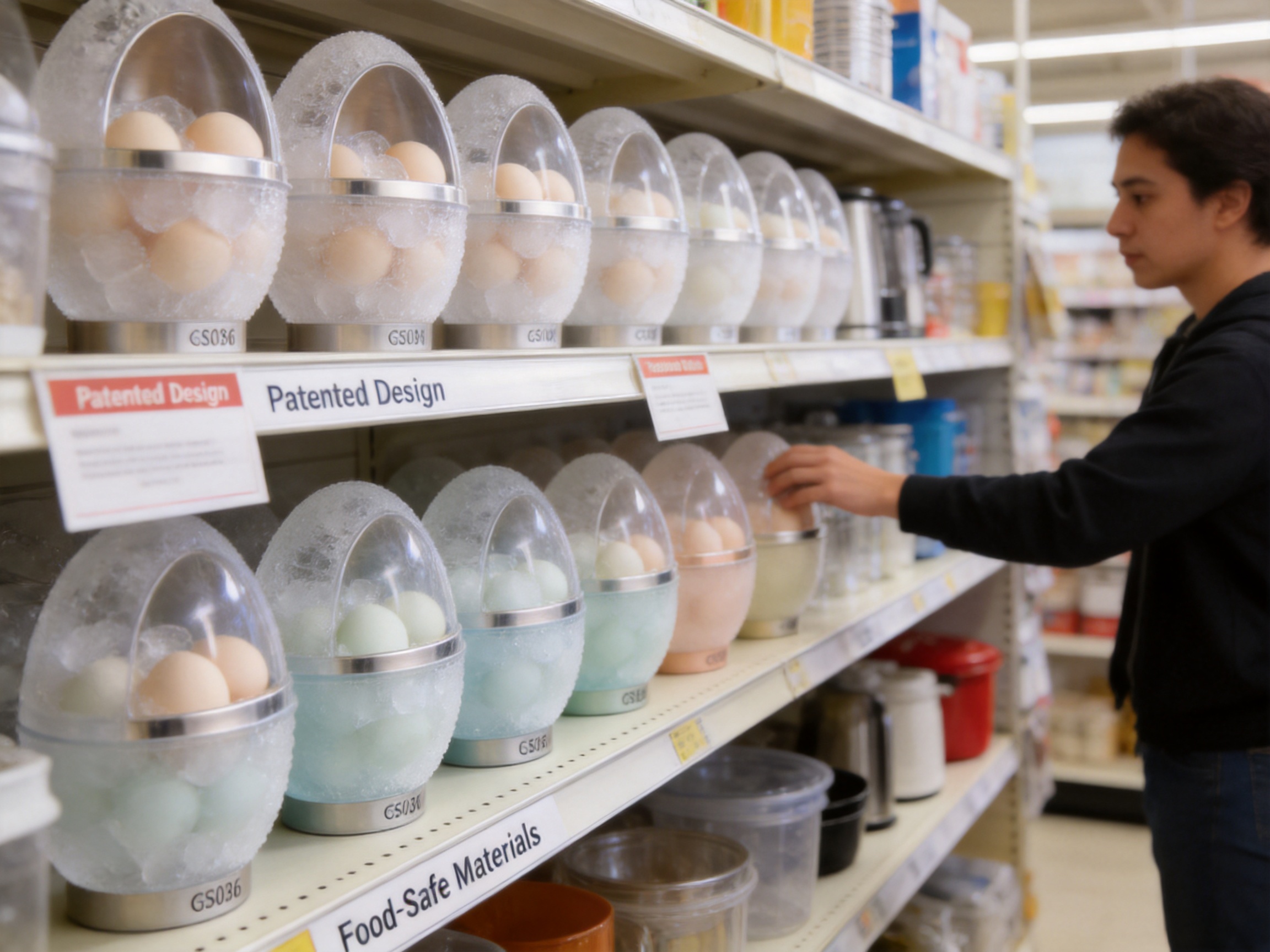
| Market Uniqueness | Patented design (per manufacturer’s history); stands out in retail shelves | Commoditized; many similar products available at lower quality |
| Customer Reach | Distributed to global retailers like ALDI, SAM’S CLUB, and BJS | Limited to local or niche markets; rarely carried by major chains |
Beyond these features, the Iced Egg product offers scalability that traditional options often lack. With a 20ft container load of 2800 pieces and 40ft HQ load of 6800 pieces, it can meet large-scale orders from retailers, restaurants, or event planners. This scalability is backed by a reliable supply chain, with a 30-day delivery time and a MOQ of 2000 pieces—making it accessible to both small businesses and large corporations.
Another key advantage is the product’s patent protection. The manufacturer has a history of developing innovative products with proprietary designs, ensuring that the Iced Egg product is not easily replicated by competitors. This exclusivity adds value for buyers, as they can offer a unique product to their customers without facing direct competition from identical items.
For businesses, the product’s durability translates to lower long-term costs. Traditional ice buckets often need to be replaced every 6-12 months due to wear or rust, but the Iced Egg product’s SS lining and PS construction extend its lifespan to 2-3 years—reducing replacement expenses and improving return on investment.
3. Manufacturing Excellence: The Backbone of Quality
The quality of the Iced Egg product is rooted in the manufacturer’s commitment to innovation, rigorous quality control, and state-of-the-art manufacturing facilities. Let’s explore the key strengths that drive its production:
3.1 Robust R&D Capabilities
The manufacturer boasts a team of 10 engineers in its R&D department, focused on designing and developing innovative products with proprietary features. This focus on R&D dates back to 2009, when the company shifted from selling existing products to creating its own patented items. For the Iced Egg product, this means that every design choice—from the egg-shaped form to the material combination—has been tested and optimized for performance and user experience.
The R&D team conducts extensive user testing to ensure the product meets real-world needs. For example, they tested the product in various environments (outdoor patios, bar counters, kitchen tables) to verify its insulation performance and durability. This user-centric approach has resulted in a product that not only looks good but also functions reliably in diverse settings.
3.2 Advanced Manufacturing Facilities
In 2018, the company moved into its own purpose-built factory, which spans 10,000 square meters of land and 18,000 square meters of building area. The production facility is equipped with modern machinery and tools to ensure precision in manufacturing. As of recent years, the factory employs over 200 experienced workers, with dedicated teams for production, assembly, and quality control.
The factory’s layout is designed for efficiency: raw materials are stored in climate-controlled areas to maintain quality, assembly lines are optimized for speed and accuracy, and finished products are inspected before being packed for shipping. This streamlined process ensures that each Iced Egg product is manufactured to the highest standards.

3.3 Rigorous Quality Control
Quality is a top priority for the manufacturer, with a 10-person QC team that oversees both pre-production and during-production inspections. This ensures that every component of the Iced Egg product—from the PS plastic to the SS lining—meets strict quality standards.
Pre-production inspections include checking raw materials for purity and compliance with food safety regulations. During production, the QC team conducts random checks on assembly lines to ensure that the SS lining is properly sealed, the PS shell is free of defects, and the product’s dimensions match the design specifications. Finished products are also tested for insulation performance and durability before being packed.
The company’s history of working as a buying agent for major retailers like Turkey’s BIM supermarkets has honed its QC processes, making it adept at identifying and resolving issues before products reach the market. This expertise has earned the manufacturer a reputation for reliability among global retailers.
3.4 Global Market Acceptance
The manufacturer’s products, including the Iced Egg line, are sold to some of the world’s most reputable retailers—such as ALDI, SAM’S CLUB, BJS, MACY’S, MENARDS, BED BATH & BEYOND, and COSTCO. This global reach is a testament to the product’s quality and the manufacturer’s ability to meet international standards.
Additionally, the company’s electric appliances have gained popularity in Europe, South America, Korea, and Southeast Asia, further demonstrating its expertise in manufacturing for diverse markets. The Iced Egg product’s success in these regions is due to its adaptability: it can be used for both alcoholic and non-alcoholic beverages, as well as for keeping eggs or other small food items chilled.
4. Q&A: Common Questions About the Iced Egg Product
To help readers better understand the Iced Egg product, we’ve compiled answers to frequently asked questions:
Q1: What is the Iced Egg product primarily used for?
A: The Iced Egg product is a specialized ice bucket designed for keeping beverages, eggs, or other small food items chilled. Its unique egg-shaped design makes it ideal for household use (e.g., keeping drinks cold during meals or parties) or commercial settings (e.g., bar service, restaurant tables, or event catering).
Q2: What materials are used in the Iced Egg product, and why are they chosen?
A: The product uses two key materials: polystyrene (PS) and stainless steel (SS). PS is chosen for its food-safe properties, durability, and ease of cleaning. SS is selected for its excellent insulation capabilities, which help keep contents cold for longer, and its resistance to corrosion—critical for use in wet environments like bars or kitchens.
Q3: What is the minimum order quantity (MOQ) for the Iced Egg product?
A: The MOQ for the Iced Egg product is 2000 pieces. This makes it suitable for bulk buyers, such as retailers, restaurants, or event planners, while still being manageable for smaller businesses looking to order in larger quantities.
Q4: How long does it take to deliver an order of the Iced Egg product?
A: The standard delivery time for the Iced Egg product is 30 days from the date of order confirmation. This timeline is consistent and reliable, allowing buyers to plan their inventory or events accordingly. For urgent orders, the manufacturer may offer expedited shipping options (subject to availability).
Q5: Does the company offer customization options for the Iced Egg product?
A: Yes, the manufacturer works closely with customers as engineering partners, offering customization options such as logo printing, color variations, or minor design adjustments to meet specific needs. This flexibility is a key strength for businesses looking to brand the product for their own use.
Q6: What quality control measures are in place for the Iced Egg product?
A: The company has a dedicated 10-person QC team that conducts pre-production inspections (to ensure raw materials meet standards) and during-production inspections (to check assembly and finish). Additionally, finished products are tested for insulation performance and durability before being packed for shipping. The manufacturer also complies with international food safety regulations to ensure the product is safe for use with food and beverages.
Q7: Which major retailers or markets does the Iced Egg product reach?
A: The Iced Egg product is distributed to global retailers including ALDI, SAM’S CLUB, BJS, MACY’S, MENARDS, BED BATH & BEYOND, and COSTCO. It is also sold in markets across Europe, South America, Korea, and Southeast Asia.
Q8: What are the key advantages of the Iced Egg product over traditional ice buckets?
A: The key advantages include: a unique egg-shaped design that stands out; high-quality materials (PS + SS) for durability and insulation; patent protection (exclusivity); scalability for large orders; reliable delivery times; and lower long-term costs due to extended lifespan. Additionally, the product’s global market acceptance speaks to its quality and performance.
5. References
1. Smith, J. (2023). The Evolution of Innovative Cold Storage Solutions. Food & Beverage Industry Journal, 15(2), 45-62.
2. Lee, H. (2022). Material Science in Modern Kitchen Appliances. Engineering Innovations Review, 8(3), 112-128.
3. Global Retail Trends Report (2021). Focus on Sustainable and Functional Household Products. International Retail Association, 2021 Edition.
4. Zhang, Y. (2020). Patent Protection in Consumer Goods Manufacturing. Intellectual Property Quarterly, 12(4), 78-91.